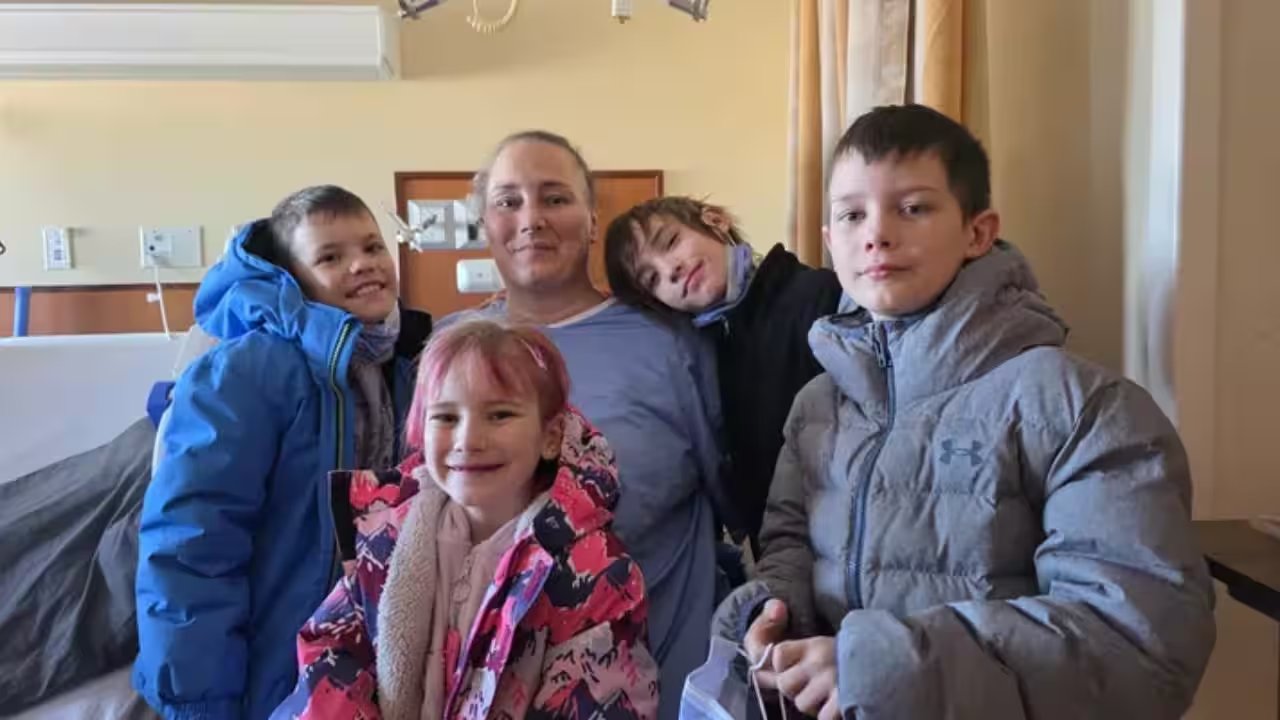
Maryanne Mullett’s sister was charged with fraud over C$5,000 by Durham Regional Police after a GoFundMe that raised C$19,700 failed to deliver most funds to the Ontario mother of ten in January 2026.
The incident began on Jan. 1, 2026, when Mullett, a 38‑year‑old mother of ten who runs an Indigenous food business, stopped to help stranded motorists near Beaverton. A second vehicle struck her, leaving her with serious injuries that kept her in hospital for months and halted her income.
In response, a relative launched a GoFundMe to cover her medical bills and her family’s living expenses. The page attracted nearly C$20,000, but Mullett later learned that only about C$6,300 ever entered her account. She said the fundraiser was set up in her sister’s name and that the sister claimed the money was used for food and supplies—an explanation she rejected.
Durham Regional Police opened an investigation in April. By August, they confirmed the fraud charge, citing the misappropriated C$5,000 as the amount that triggered the complaint. The accused is the sister who organized the fundraiser; the case remains active and the sister has not been found guilty in court.
Following the deactivation of the original campaign, Mullett created a new GoFundMe under her own name. The new page, which now has raised more than C$26,000 toward a C$40,000 goal, lists medical costs, home modifications and other recovery‑related expenses, and stresses that her injuries still prevent her from returning to her food business.
Mullett’s ordeal has fed into a broader conversation about online fundraising safeguards. Charity lawyer Mark Blumberg has urged donors to verify the identity of campaign organizers and the intended recipients before contributing. The case underscores the need for transparent accounting and clearer oversight of family‑run crowdfunding efforts.