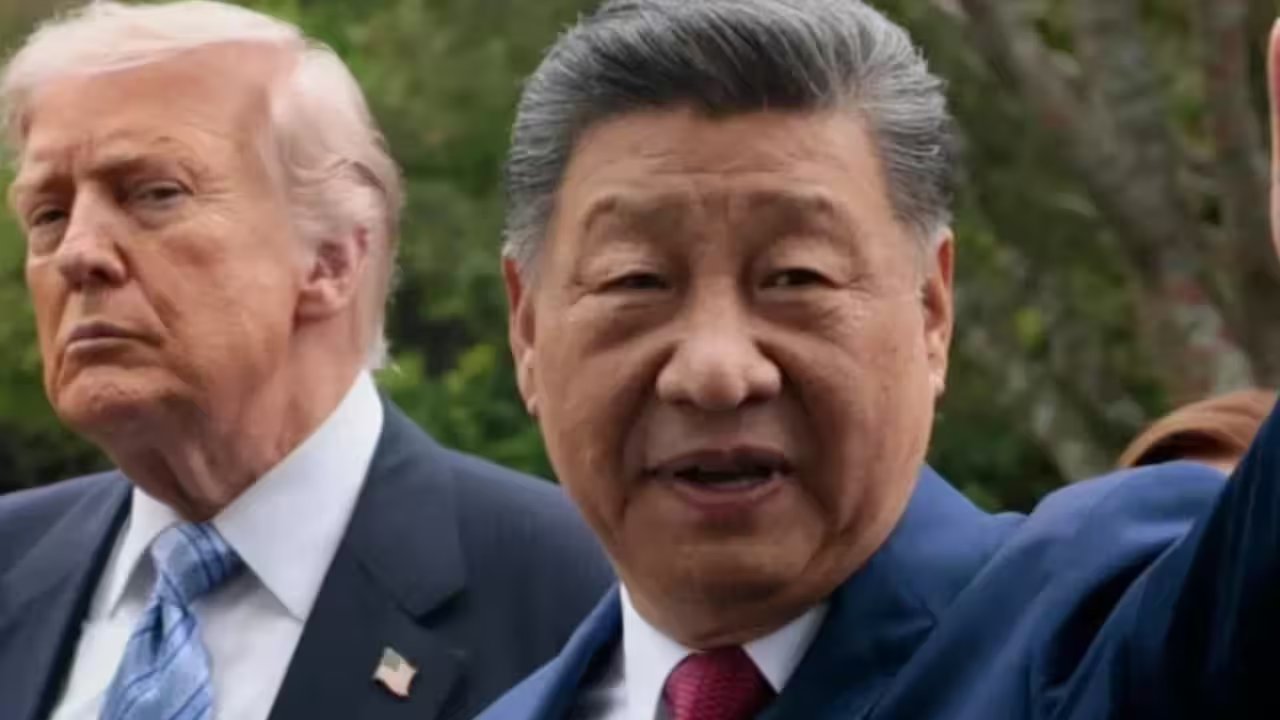
China's bulk of the 1,300 shipments recorded by the Wall Street Journal spanned from early 2025 to mid‑2026, carrying GPS trackers, electric motors and aircraft‑engine parts that can be repurposed for drones and missile guidance. The record shows a spike on the day a US‑Iran truce was signed, when a Chinese aircraft landed in Tehran with electronics earmarked for the ministry of defence.
The Chinese foreign ministry, according to Beijing, made dozens of diplomatic calls to ease tensions, while President Xi personally offered suggestions to end the conflict. Yet the simultaneous flow of dual‑use goods suggests a parallel strategy, with the Chinese government not only engaging in high‑level diplomacy but also quietly supplying Iran with military‑grade components.
Iranian airline Mahan Air, barred by U.S. sanctions, increased its flights from four a week in March to about 27 a week by late April, according to FlightRadar24 data. By early September, the carrier had flown 39 cargo‑heavy sorties from China to Tehran, doubling pre‑war volumes and indicating a focus on transporting the very components flagged by the WSJ.
U.S. lawmakers have condemned the shipments, with Defense Secretary Pete Hegseth accusing China of enabling Iranian weapons development. President Trump, meanwhile, downplayed the issue, citing his trust in Xi amid a broader pivot toward trade, artificial intelligence and Taiwan, creating a rift within Washington.
A forthcoming CSIS report will detail the Chinese firms supplying the parts, and the U.S. Senate is slated to vote on sanctions targeting those entities before the report’s release. The outcome will set the tone for America’s next move in curbing China‑Iran military cooperation.