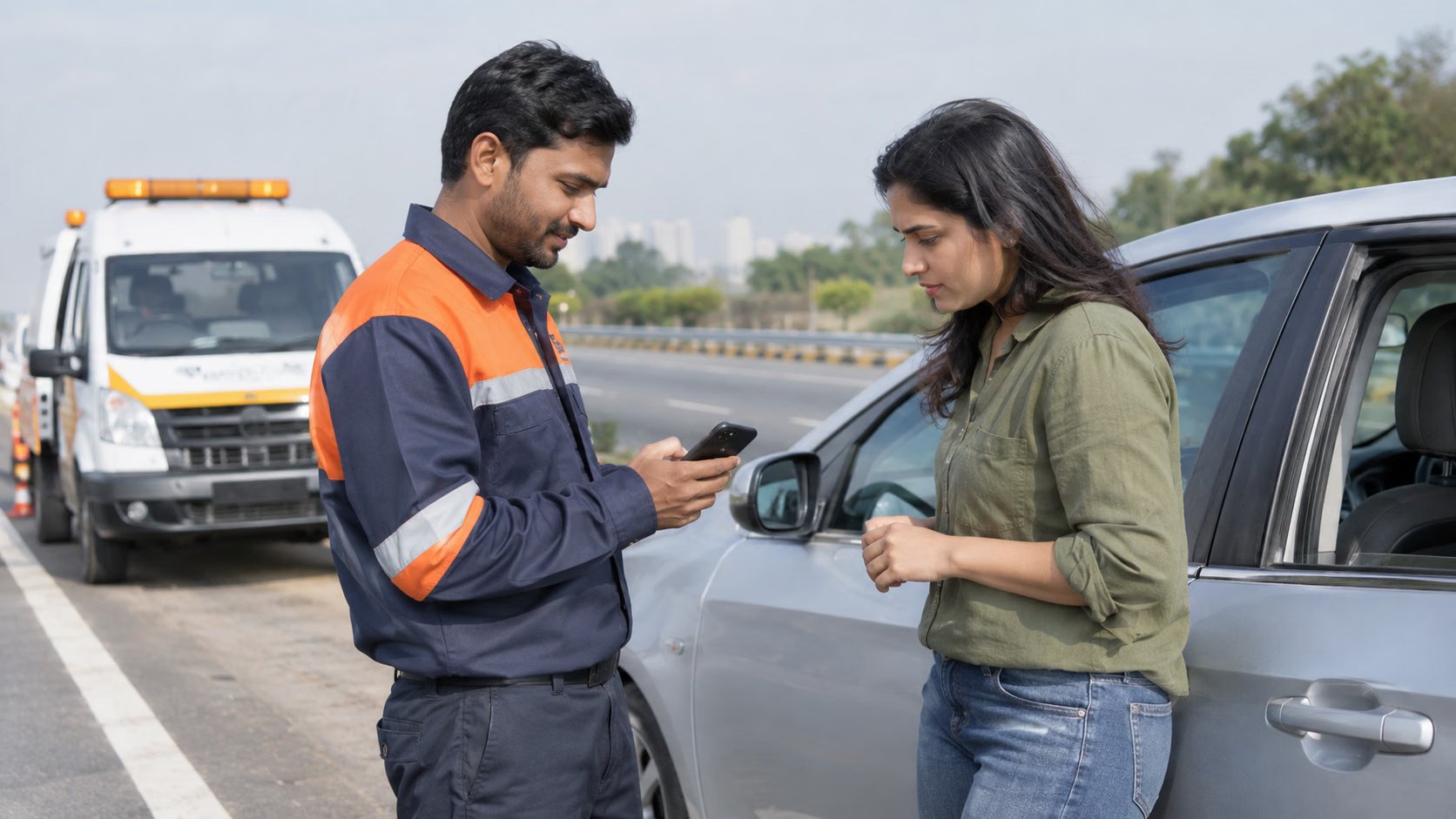
Forget the old trope of a lone driver shouting into a phone while standing in traffic. The era of roadside assistance (RSA) in India is quietly changing, moving away from the panic of 'where is my tow truck?' to a more controlled, digital-first experience. But here’s the catch: technology alone isn’t fixing the anxiety of a stranded car. The real value proposition now isn't just speed; it's the reassurance that someone is actually in charge. It’s a shift from merely resolving a mechanical failure to managing a customer’s stress levels.
The industry is betting on a 'Hi-Tech, High-Touch' model. Apps handle the logistics—real-time tracking, predictive diagnostics, and status updates—but humans handle the panic. This is critical because a breakdown isn’t just a technical issue; it’s an emotional one. You’re stuck, maybe with kids, maybe in an unfamiliar city, wondering if you’re being ripped off. A calm voice from a trained expert often matters more than a GPS pin. For insurers, this also means faster claim settlements, as assistance teams are usually the first on the scene, gathering data that speeds up the paperwork.
India’s driving demographic is messy, which complicates the tech stack. You have Gen Z drivers who want app-based self-service and instant notifications, and you have older owners who still feel safer talking to a person. The service providers can’t afford to alienate either group. Allianz Partners, which has handled nearly five million interactions, notes that while expectations are evolving, the core need for empathy remains universal. You can’t automate trust. You can only automate the routing of the truck.
The future gets trickier as the vehicle fleet shifts. With hybrids, EVs, and connected cars entering the market, the 'breakdown' is no longer just a broken belt. It’s a battery issue, a software glitch, or a charging station failure. Service providers are having to upskill their technicians rapidly. If you’re buying an EV, the roadside assistance package bundled with your car is no longer a line item to ignore; it’s a critical part of the ownership experience. The brand that handles your battery anxiety best is the brand you’ll likely return to.
So, what does this mean for you? Loyalty isn’t built when your car runs perfectly. It’s built in the 15 minutes after it stops. As the market matures, expect more integration between your car’s dashboard, your insurance app, and the service provider. Watch for transparency in pricing and real-time updates as the new baseline, not a premium feature. The car gets you there; the assistance keeps you trusting the brand.