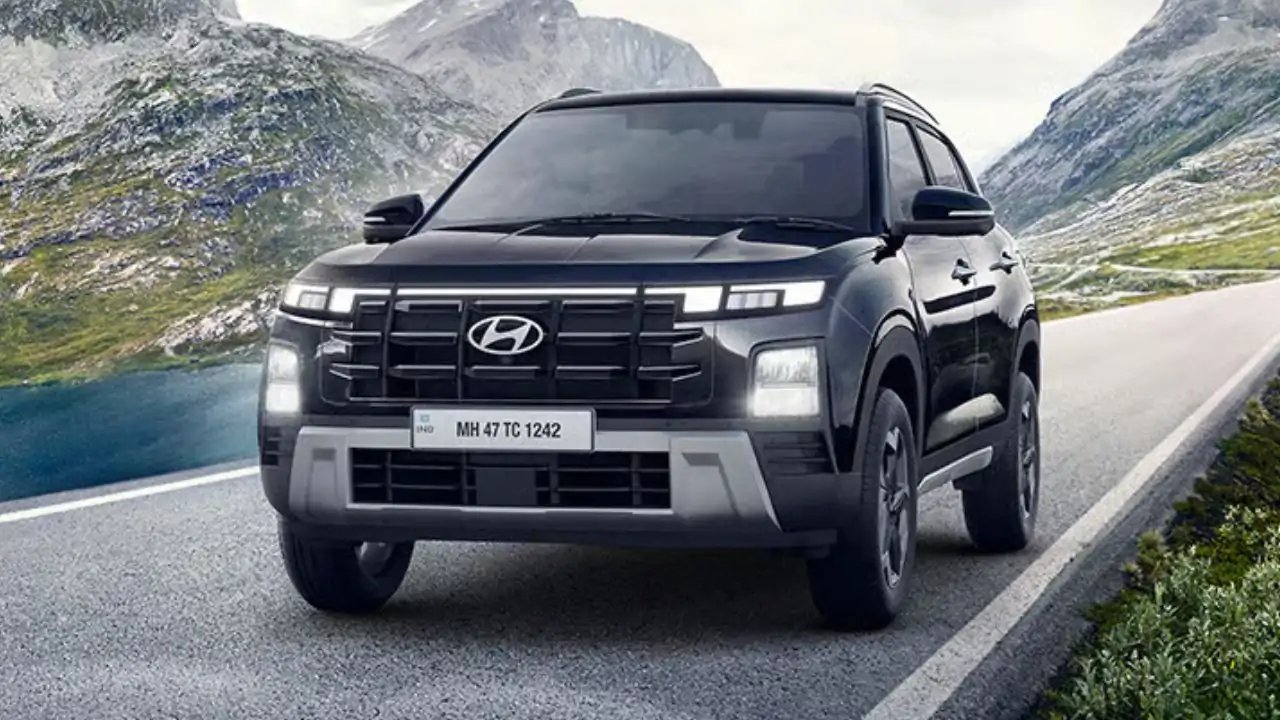
Since its July 2015 launch, the Creta has climbed steadily through market cycles, moving from 63,836 units in FY2016 to a peak of 2.02 lakh in FY2026, a 4% jump over the previous year. That uptick reflects the model’s resilience amid shifting consumer tastes and the rise of rivals like the Maruti Suzuki Vitara Brezza and the Tata Nexon. Buyers who have stuck with the Creta over the years have noted its sturdy chassis, decent cabin space, and a smooth ride that feels more premium than its price tag suggests.
While the petrol and diesel variants keep the core fan base happy, Hyundai’s push into electrics has seen the Creta Electric rack up 89,727 units in the first half of FY2027—though that’s a 10% dip from the same period last year. Still, the EV’s 30‑kWh battery offers a city‑centric range that appeals to urban commuters.
Exports keep the brand’s numbers buoyant: a total of 2.96 lakh units shipped overseas by August 2026, with FY2018 peaking at 50,820 units. In 2026 alone, 6,496 units went abroad, up from 4,314 the year before—an uptick that shows Hyundai is carving out market share beyond India.
Price-wise, the Creta starts at ₹10.91 lakh for the entry‑level petrol E, climbs to ₹20.06 lakh for the turbo‑petrol DCT King DT, and the diesel range mirrors that spread from ₹12.53 lakh to ₹20.11 lakh. The 1.5‑liter petrol outputs 113.4 hp/143.8 Nm, the turbo version spikes to 158 hp/253 Nm, and the diesel delivers 114.4 hp/250 Nm. Transmission options—6‑speed manual, IVT, 6‑speed torque‑converter, or 7‑speed DCT—give buyers a choice between manual control and smooth automatic creep.
For the next few months, the Creta will roll out its refreshed body kit in Bangalore and Mumbai, with a nationwide launch slated for September 2026. Keep an eye on the updated infotainment and safety packages that Hyundai promises to roll out in early 2027.