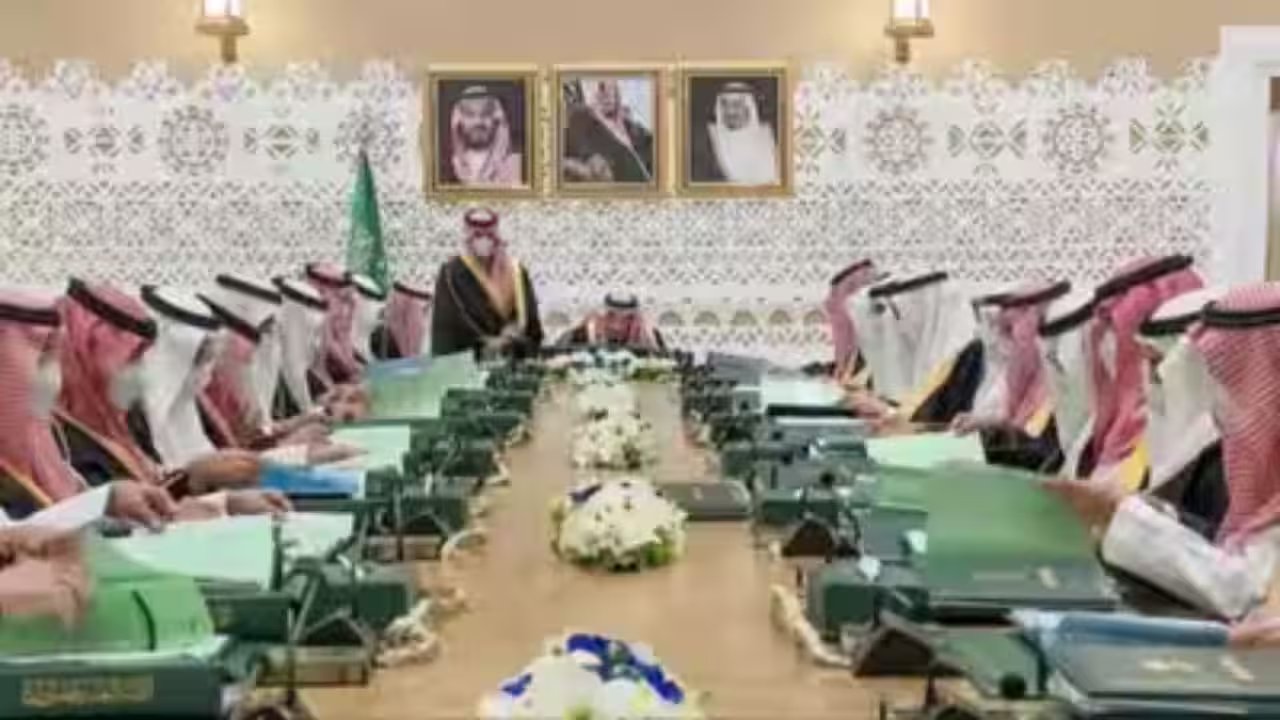
Riyadh, Saudi Arabia — The Future Investment Initiative (FII), widely known as “Davos in the Desert,” will not happen in October. Organizers confirmed the conference, originally scheduled for October 26–29, has been pushed to an unspecified date in 2027. This isn’t a minor scheduling tweak. It’s a direct response to a deadly missile strike on King Khalid International Airport earlier this month.
The decision lands as a hard stop for the kingdom’s economic diversification drive. For years, Saudi Arabia has courted Western capital to reduce oil dependence, banking on high-profile appearances by JPMorgan Chase CEO Jamie Dimon, Citigroup CEO Jane Fraser, Goldman Sachs CEO David Solomon, and BlackRock chief Larry Fink. Those executives were set to address the tenth edition of the summit. Now, their flights are grounded. Corporate boards have pulled back, unwilling to send chief executives into a zone where Houthi drones and missiles target airports and energy facilities almost daily.
The FII Institute stated the move ensures the “full scale, quality and impact” expected by partners and delegates. Existing registrations and partnerships remain valid, but the delay signals deeper unease. Iran-backed Houthi militants have exchanged strikes with Saudi Arabia on a near-daily basis in recent weeks, escalating a conflict that now directly threatens the Gulf’s stability. Several countries have issued travel advisories, compounding the risk for international business travelers.
This postponement isn’t just about one event. It’s a warning shot to global markets. As the security environment deteriorates, investor confidence in the broader Middle East wavers. The kingdom’s decades-long effort to position Riyadh as a global financial hub now faces a period of uncertainty. The next major step? Watch for revised dates and whether Saudi Arabia can secure guaranteed safety for future delegations before the 2027 edition.