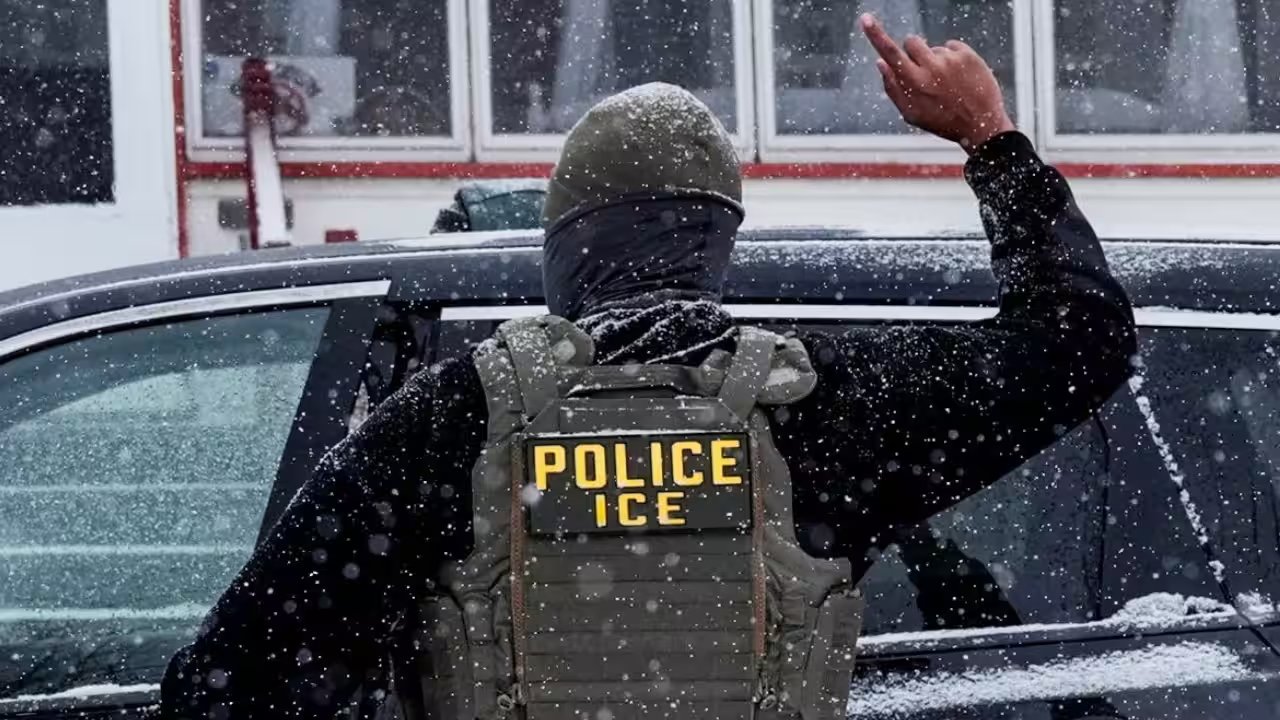
Christian Castro stood before the Minnesota Bureau of Criminal Apprehension in downtown Minneapolis on Wednesday, surrendering on an outstanding warrant. It was the end of a tangled eight-month legal odyssey that began when he allegedly shot Julio Cesar Sosa-Celis through his apartment door. The incident, which left Sosa-Celis wounded in the leg while children were inside, has become a flashpoint for critics of President Donald Trump’s immigration crackdown.
Castro is now booked in Hennepin County jail. He faces state assault charges and a federal indictment for making false statements to investigators. Prosecutors claim Castro told Department of Homeland Security officials that Sosa-Celis and others attacked him with a snow shovel and broom. Video evidence later disproved that account.
The path to this arrest was anything but smooth. After the January shooting, Castro returned to his home state of Texas, effectively stalling Minnesota authorities. Texas Governor Greg Abbott refused to sign extradition papers sent by Minnesota Governor Tim Walz, arguing Castro could not be a fugitive because DHS had reassigned him to Texas. Abbott’s stance shielded Castro from immediate accountability for roughly 90 days until a federal judge rejected Minnesota’s request for an immediate extradition order in late August.
DHS has suspended Castro from ICE, and a civil rights investigation into the shooting is underway. Hennepin County Attorney Mary Moriarty stated that Abbott’s attempt to shield Castro has failed. "We look forward to commencing our prosecution," she said.
Castro’s lawyer, Rolando Cantu, maintains his client had always intended to face the charges. Cantu disputes the notion that Castro might flee to Mexico. "He wants his day in court," Cantu said. Castro is scheduled to appear in state court in Minneapolis on Thursday and in US District Court in St. Paul on Friday morning for the federal charges.