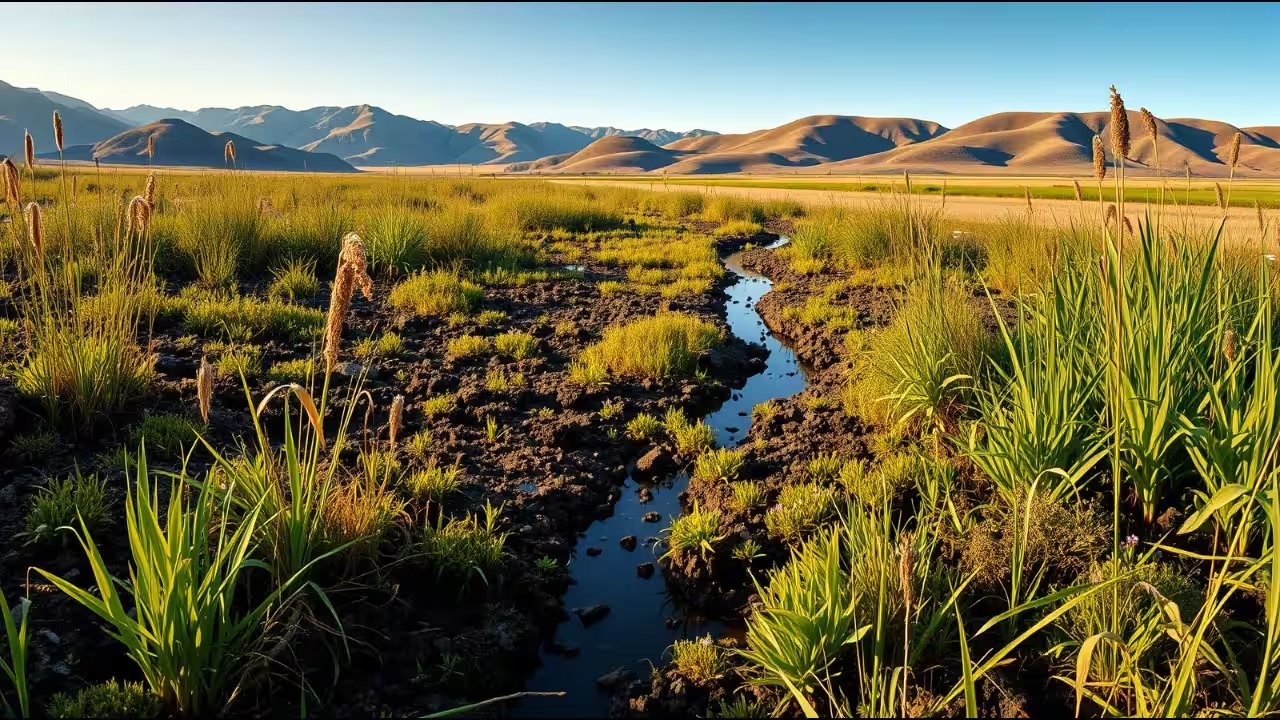
Scientists published a 44‑site‑year study that shows California’s restored Delta wetlands still emit greenhouse gases, undermining the assumption that they are immediate carbon sinks.
The Sacramento‑San Joaquin Delta was once a vast network of wetlands that stored peat‑rich carbon, but the region was drained for agriculture in the 20th century, releasing stored carbon and accelerating decomposition.
The team measured CO₂ and methane fluxes using eddy covariance towers at six sites—Hill Slough, Mayberry, Sherman Wetland, Gilbert Tract, East End and West Pond—over 44 site‑years, enabling a year‑by‑year comparison of emissions and uptake.
Results reveal large interannual variability; some sites remained net greenhouse gas sources even five years after restoration because delayed vegetation growth and fluctuating water levels impeded carbon uptake, while others quickly shifted toward net benefits once vegetation established.
By calculating net radiative forcing, the researchers estimated a “switchover time” for each wetland, finding that age alone cannot predict climate benefit—design, water management and long‑term monitoring are critical to maximize net carbon removal.
The findings will inform future Delta restoration plans and could prompt revisions to California’s climate‑policy framework, as state officials debate how best to balance ecological restoration with measurable greenhouse‑gas reductions.