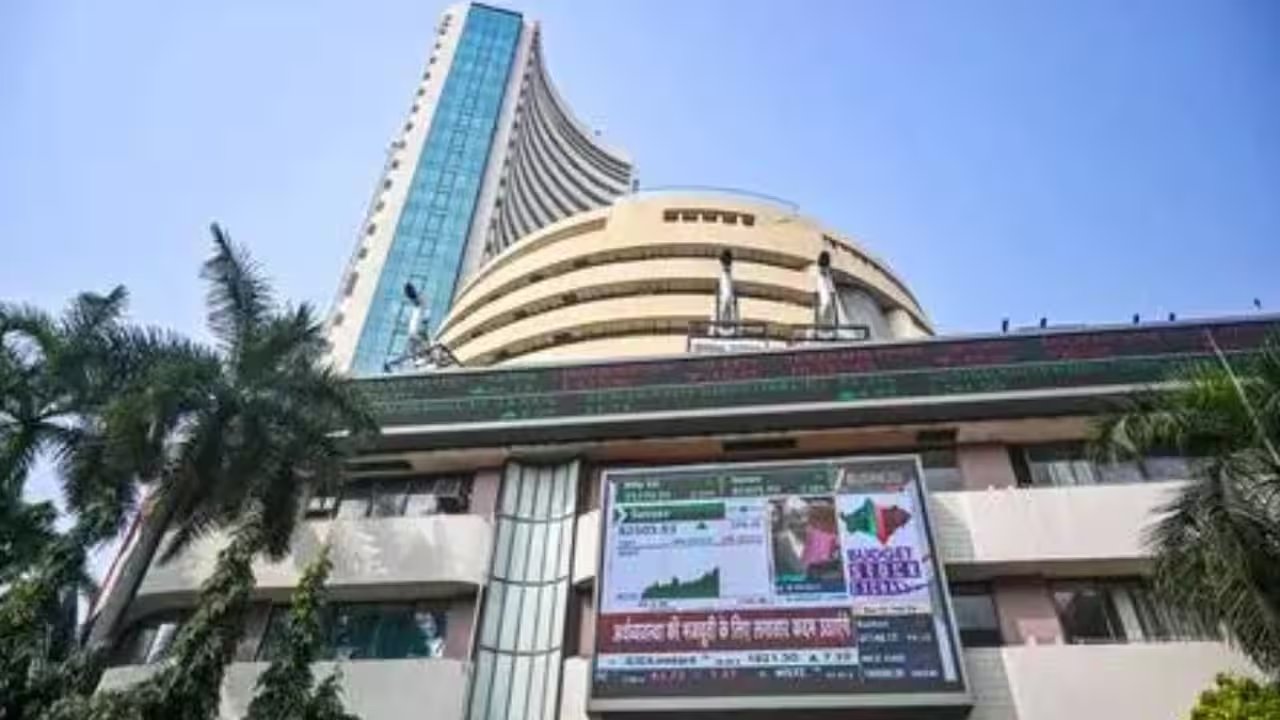
Dalal Street hit the panic button on Tuesday. The Sensex lost 1,400 points from its intraday high before settling 778 points, or 1%, down at 74,004. That’s a five-month low. The Nifty, meanwhile, dropped 280 points to close at 23,119. The damage wasn’t just in the index numbers. BSE market capitalization plunged by nearly ₹9.2 lakh crore, leaving the total at ₹472.4 lakh crore, according to official exchange data.
The triggers? A perfect storm of macro headwinds. Brent crude is trading firmly above the psychological $100/barrel mark, currently around $108 after a 2.3% jump. India’s 10-year government bond yield has crossed 7.1%, hitting a four-month high of 7.09%. And the rupee is sliding, hovering close to 96 per dollar. Siddhartha Khemka, head of research at Motilal Oswal Financial Services, noted that these factors are creating a tight domestic rate environment. "Indian markets are likely to remain weak amid elevated crude prices, renewed inflation concerns and uncertainty ahead of the US Federal Reserve's policy decision," he said.
Inflation is the other piece of the puzzle. Retail inflation in August accelerated to 4.82%, a 20-month high. This is partly due to the crude spike. It’s raising eyebrows about the scope for further monetary easing. In fact, it’s increasing expectations that the RBI might tighten its stance. That’s a bad combo for equity valuations, especially for small and mid-caps, which saw more pronounced selling than large caps.
Who was selling? Foreign funds were net sellers, offloading stocks worth nearly ₹3,000 crore. Domestic funds, however, stepped in as buyers, snapping up almost ₹2,700 crore worth of shares, BSE data showed. It’s a classic tug-of-war, but the FII outflow is a clear signal of risk aversion.
Then there was the chaos in the closing auction session (CAS). On Tuesday, which was a Nifty weekly expiry day, the index lost about 460 points—nearly 2%—in just one minute, between 3:20 pm and 3:21 pm. It recovered quickly, but the volatility was stark. The recently introduced CAS has been a source of sharp price swings, particularly on expiry days. For traders, it’s a reminder that liquidity can dry up fast, and for investors, it’s a sign that the macro overhang isn’t going away anytime soon. Watch the G-sec yields and crude prices closely; if those don’t stabilize, the market is likely to stay under pressure.