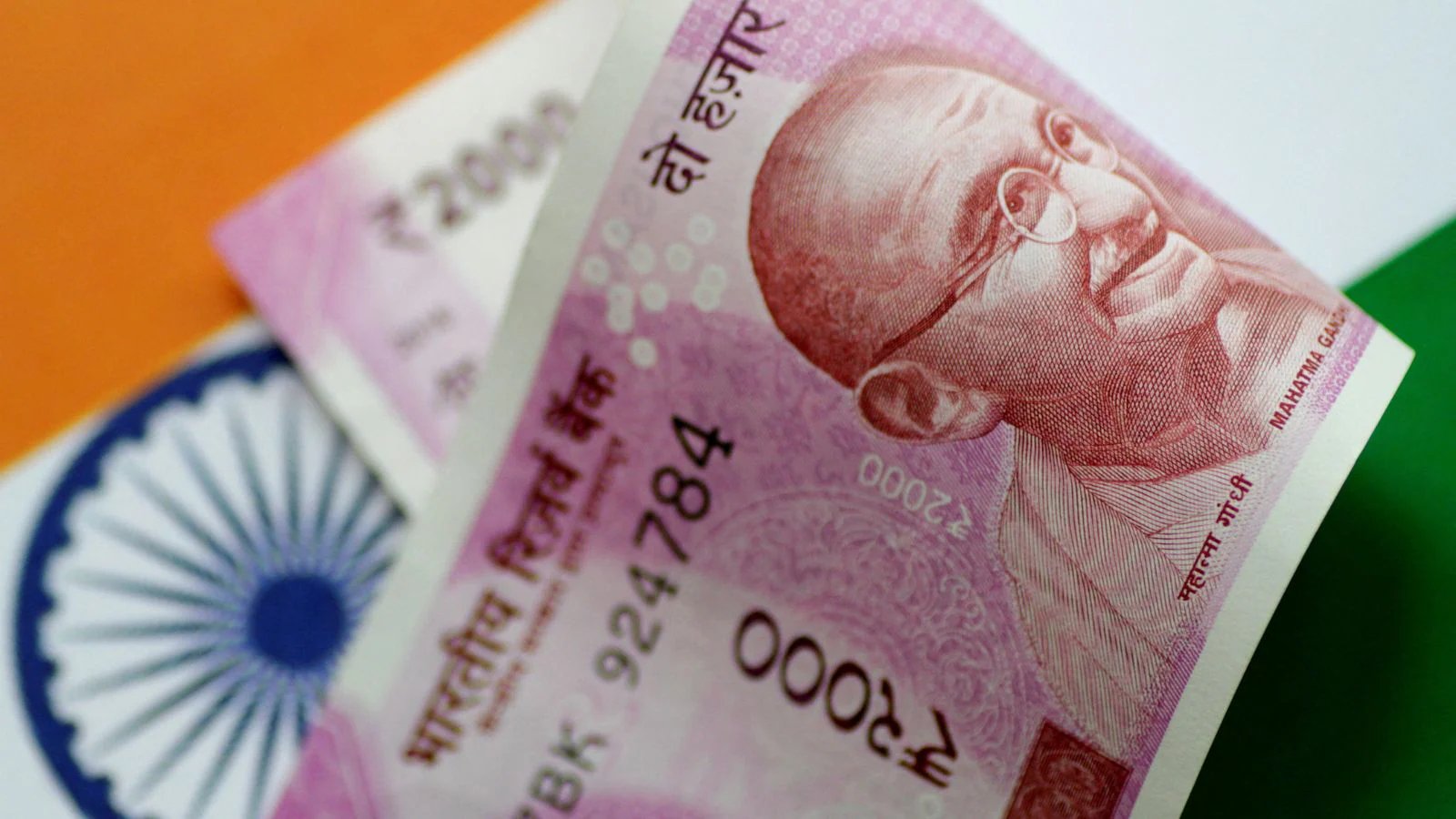
The Indian rupee slipped 28 paise to finish at ₹96.03 against the U.S. dollar, marking a 0.3% decline from the previous close. This drop follows the U.S. rejection of Iran’s deal proposal and the subsequent stalling of hopes to reopen the Strait of Hormuz, amplifying risk‑off sentiment across global markets.
The interbank market opened the rupee at ₹95.89, but intraday volatility pushed it further down before settling at ₹96.03. Anuj Choudhary, research analyst at Mirae Asset Sharekhan, noted that the rupee’s negative bias is likely to persist as global risk assets retreat and crude prices climb.
Brent crude futures surged 3.57% to $108.04 per barrel, breaking the $108 threshold that has become a psychological barrier for oil traders. The rally in oil is a key driver behind the rupee’s weakness, as higher energy costs translate into broader inflationary pressures.
The dollar index traded at 101.12, up 0.16% against a basket of six currencies, reinforcing the rupee’s depreciation. This index rise aligns with the strengthening of U.S. Treasury yields, which further bolstered the greenback.
Domestic equity markets mirrored the risk‑off mood: the Sensex fell 1,124.02 points to 72,771.72, while the Nifty trailed 360.25 points to 22,780.25. Foreign institutional investors withdrew ₹3,693.93 crore from equities, reflecting a broader pullback in risk assets.
RBI reserves dipped $14.881 billion to $765.901 billion for the week ended September 18, a decline driven by lower foreign currency assets. The central bank may consider intervention to stabilize the rupee, but it will likely weigh the impact of upcoming FOMC statements.
Looking ahead, traders will keep an eye on RBI policy signals and FOMC speeches, which could influence the rupee’s trajectory. The combination of sustained oil pressure and global risk aversion suggests that the rupee may remain in a negative bias until clearer policy cues emerge.