Yes Bank (YESBANK) posted a net profit of ₹3,476 crore for FY‑26, a 44.5% jump YoY that more than doubles the ₹8,400 crore AT‑1 bond write‑off amount that the bank had tried to retire in 2020. The earnings beat came on revenue of ₹19,200 crore, up 12.3% from the previous year, and a net margin of 5.7%, comfortably ahead of the 4.8% consensus among city‑wide analysts.
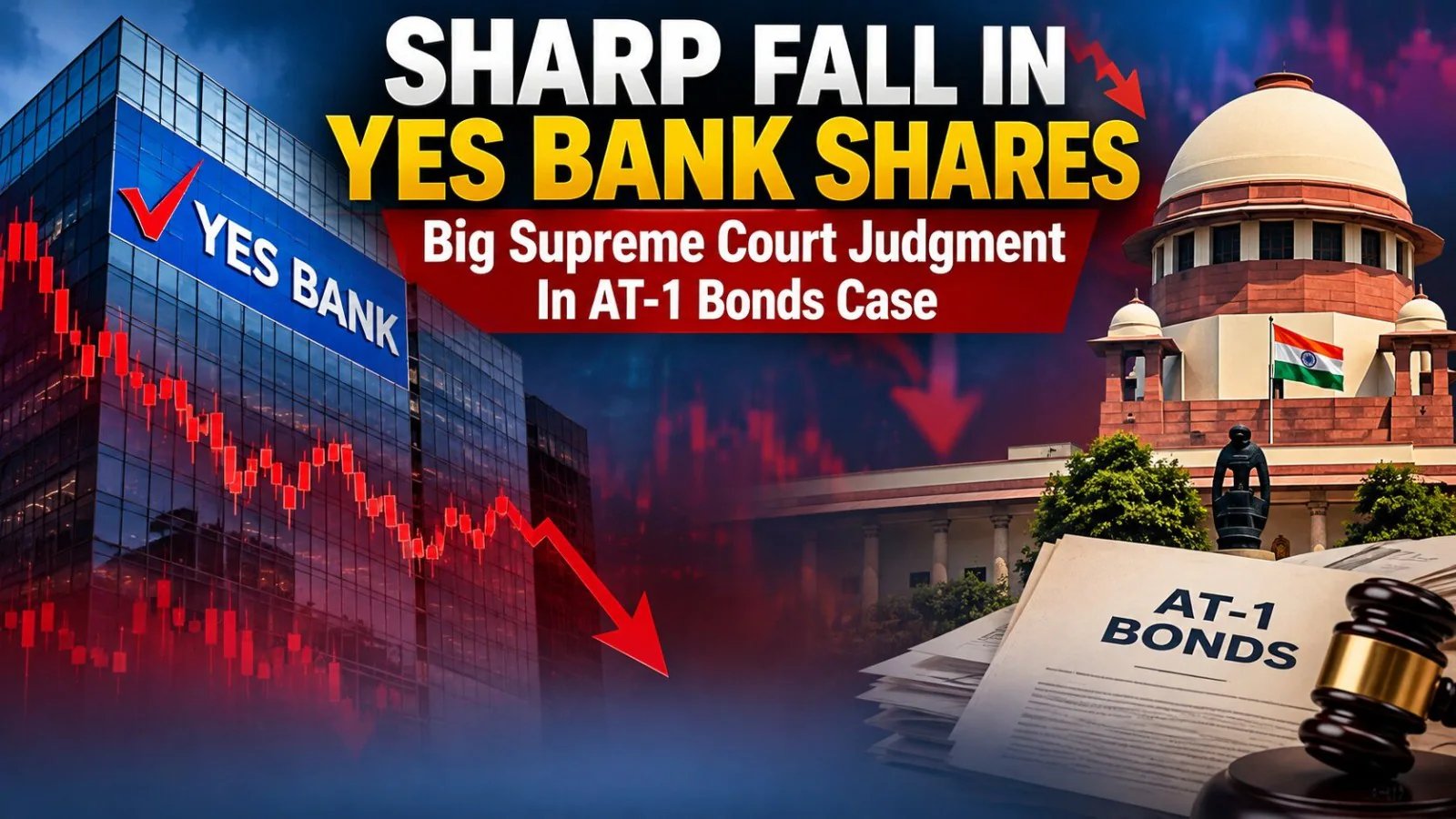
On Thursday, the Supreme Court overturned the Bombay High Court’s decision that had allowed Yes Bank’s administrator to write off the AT‑1 bonds. The apex court ordered the bank to honour the bonds at coupon rates of 9.5% and 9%, effectively reinstating the ₹8,400 crore liability on the balance sheet. This reversal came a day after the stock hit a 15% intraday dip, the steepest single‑day fall since July 2020.
The AT‑1 bonds, issued in 2016‑17, were meant as hybrid capital to absorb losses under Basel‑III. The write‑off, executed by the bank’s administrator, had wiped out the principal of 97% individual bondholders, most of whom were retail investors. The Supreme Court’s ruling signals that the administrator lacked the authority to enact the write‑off without RBI approval, putting the bank back on a 100% exposure to the bondholders.
The market reaction was immediate and unforgiving: shares fell 15% from ₹22.30 to ₹18.02 on NSE, erasing more than ₹8,300 crore of market capitalisation in minutes. The stock’s year‑to‑date performance turned negative for the first time in 2026, reflecting investors’ nervousness over the sudden liability spike and the bank’s already thin capital base.
Looking ahead, Yes Bank is slated to release its Q4 earnings on 24 October, with analysts expecting a modest profit dip as the AT‑1 liability impacts the bottom line. The board has hinted at a capital‑raising plan to shore up reserves, but the timing remains uncertain amid RBI’s tightening scrutiny. Traders will watch the next earnings release closely to gauge whether the bank can restore confidence and lift the stock back into positive territory.