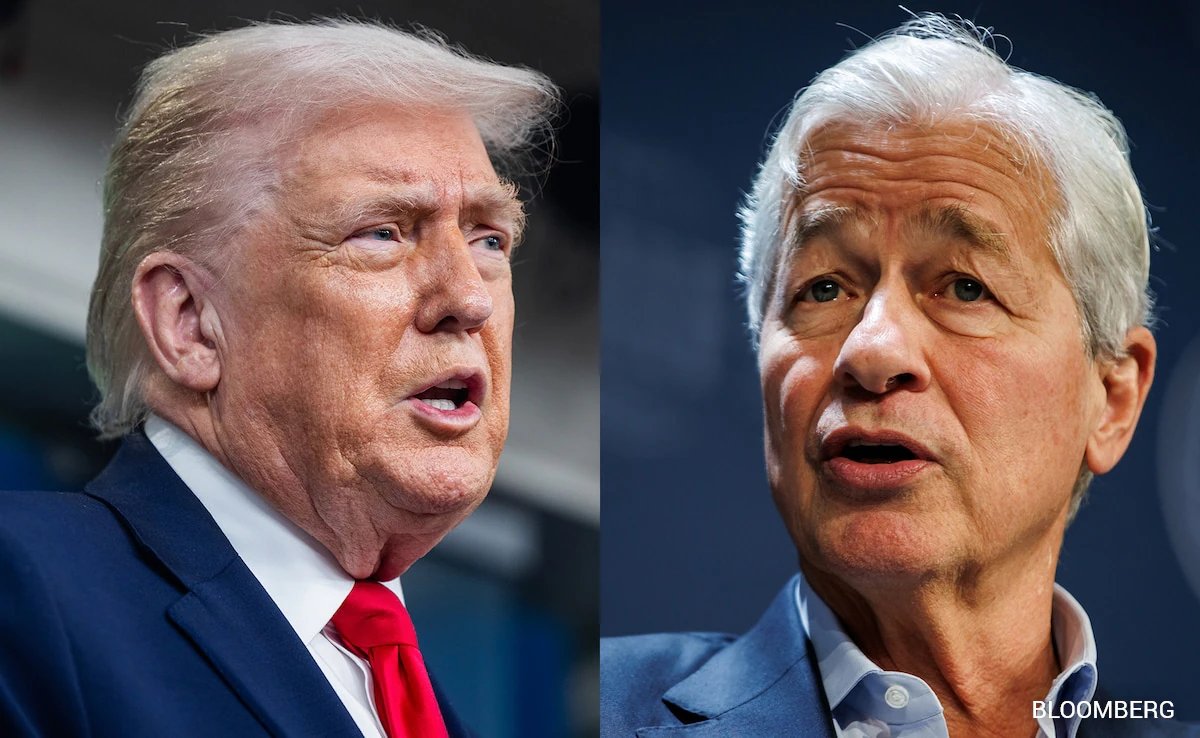
Jamie Dimon told CNBC‑TV18 that Washington must weigh the impact on India and global oil markets before imposing up to 100% tariffs on countries buying Russian crude, after Trump signed the Russia sanctions bill last week. The U.S. law, named the Lindsey Graham Sanctioning Russia and Iran Act of 2026, authorizes tariffs that could hit India and China, two of the largest buyers of Russian oil.
Dimon highlighted that a significant share of Indian imports is refined to meet specific refinery requirements. He explained that replacing Russian crude with other sources would be a technical maze: “If they don’t buy it here, they have to buy it elsewhere,” he said, stressing that not all crude can fit Indian refineries’ configurations.
The bill passed the House 262‑159 and the Senate 64‑23 before being signed into law by President Trump. It targets Russian officials, banks, and energy interests, and expands sanctions to foreign entities supporting Moscow’s war.
Dimon urged Washington to discuss any tariff plans with New Delhi first. The Treasury will likely issue regulations within weeks, but the U.S. must now weigh diplomatic fallout before moving forward. The next step will be a Treasury notice outlining the implementation timetable, with India expected to file a formal response.