Hyderabad’s Uppal Ground saw a masterclass in white-ball aggression that left the hosts reeling. West Indies posted 247 for three, a target that looked impossible on paper but proved insurmountable in practice. India’s chase stalled at 223, falling 24 runs short in a match that swung away from them almost as soon as it began.
Sanju Samson was the lone voice of reason for the Indian top order, smashing 56 off just 23 balls. But once he fell, the pipeline dried up. Keemo Paul ripped through the middle order with a five-wicket haul, exposing a chasm in India’s batting depth. The ball didn’t behave, the pitch wasn’t flat, and the chase required a level of consistency that simply wasn’t there.
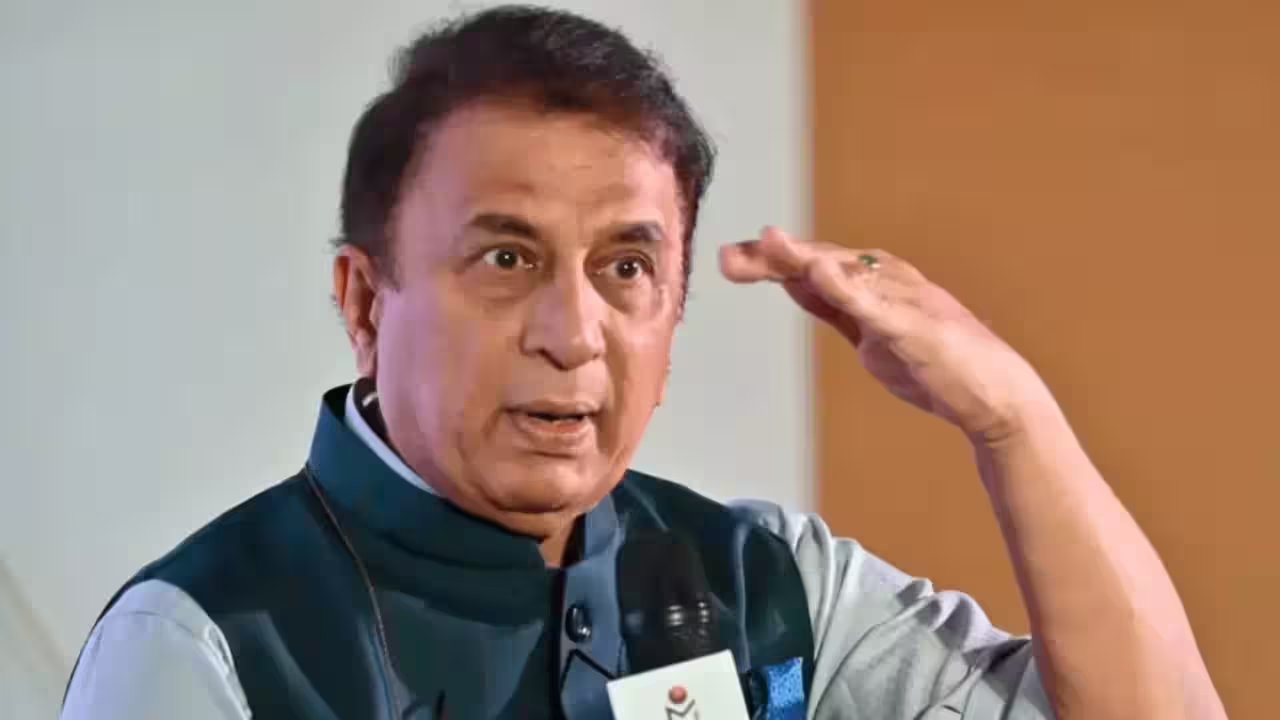
Sunil Gavaskar didn’t mince words on JioStar. “The batting unit needs to show more responsibility,” he said, pointing directly at Abhishek Sharma’s poor knock and Ishan Kishan falling into Paul’s trap. He noted that Shreyas Iyer hasn’t found his rhythm since his century. The former captain argued that if the batters don’t take ownership, this side will struggle to succeed, especially when dew starts helping the batters in the second innings.
Cheteshwar Pujara offered a different perspective, praising West Indies captain Shai Hope. Hope’s second century of the series wasn’t about blind slogging; it was about clarity. Pujara highlighted Hope’s ability to pick gaps and play spin with control. That kind of discipline from the opposition makes it nearly impossible for bowlers to build pressure, even on a challenging Hyderabad surface.
Gavaskar offered a shield for India’s inexperienced bowlers, arguing they need time to learn the art of international cricket. “They will need to get hit for boundaries, otherwise they will not learn,” he noted. The series now shifts to Bengaluru, where one final match decides who takes the T20I series.