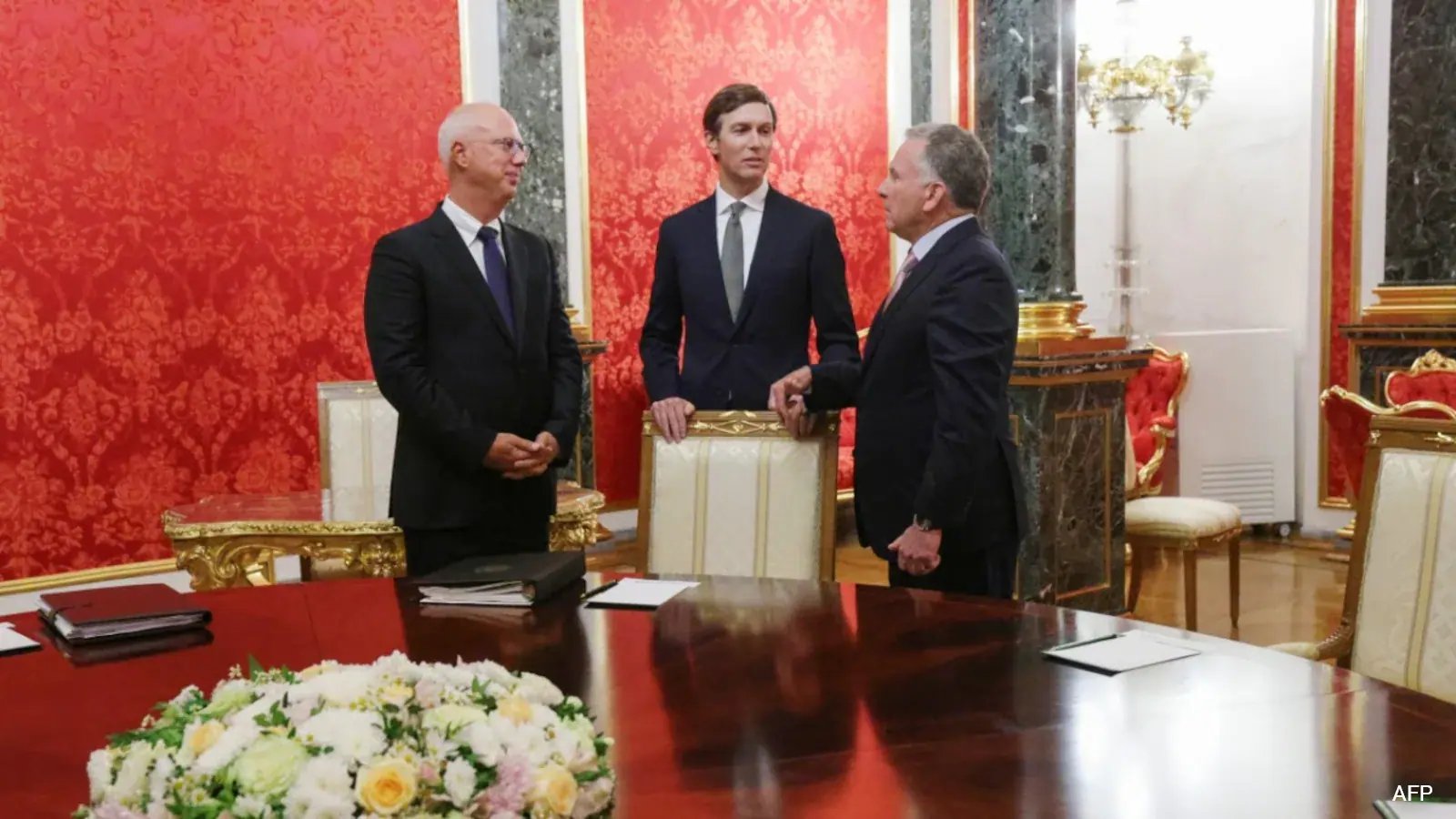
Washington is preparing to dismantle one of the most aggressive financial weapons used against Moscow since 2022. The Trump administration is actively reviewing a request to delist the Russian Direct Investment Fund (RDIF) from US sanctions, a decision that could immediately open the floodgates for Russian capital and energy flows back into American markets. This isn't a bureaucratic footnote. It's a fundamental shift in leverage. The current US stance treats economic isolation as the primary lever to force a Ukraine settlement. Lifting these specific sanctions signals a willingness to trade financial relief for diplomatic goodwill.
The RDIF isn't just a fund. It’s the Kremlin's primary pipeline for global influence, having invested billions in infrastructure and tech across the Middle East and beyond. The Biden administration slapped sanctions on it days after Russia’s February 2022 invasion of Ukraine, labeling it a "slush fund" for Vladimir Putin's network. Eric Green, who managed Russia policy at the National Security Council under Biden, called it an early target precisely because it helped bankroll the war machine. Now, the White House is considering reversing that call.
The driver? Diesel. Russian officials are pressing for the delisting as part of broader negotiations to ship Russian diesel to the United States, following Trump’s October 9 suspension of sanctions on the fuel. Kirill Dmitriev, the fund’s chief, has become a key figure in these talks, described by a US official as a "helpful envoy." Steve Witkoff, Trump’s special envoy, told Putin in St Petersburg last week, "It’s been really, really good dealing with Kirill." That personal rapport is now shaping policy.
Critics are already sounding the alarm. Republican lawmakers argue this approach hands Putin economic benefits without demanding he stop fighting. The logic, they say, is flawed: you can't incentivize peace by rewarding the aggressor’s wallet. Meanwhile, European governments are stunned by parallel proposals to boost Russian gas exports to the continent, a move that threatens to reset the geopolitical energy map overnight. The administration argues that business deals create a stake in peace for the Russian elite. Whether that stake outweighs the military objectives remains the central question in a war that has already claimed over 30,000 lives on both sides.
The decision on the RDIF is expected to be finalized in the coming weeks, coinciding with the next round of high-level US-Russia talks. If approved, the fund will instantly regain access to Western financial systems, a symbolic and practical victory for Moscow. For now, the White House maintains that all other Biden-era sanctions remain intact, a nuance that does little to comfort those watching the Kremlin’s diplomatic offensive with deep suspicion.