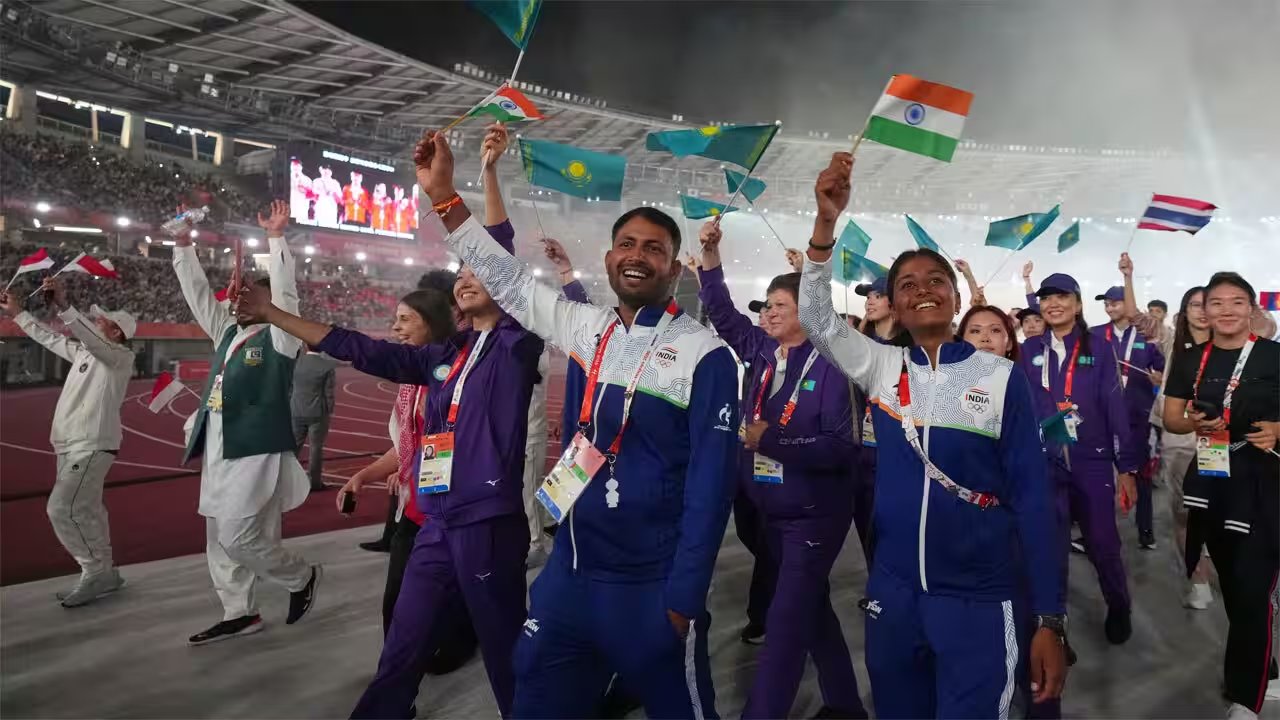
India walked away from Aichi-Nagoya with 85 medals. That’s 21 gold, 27 silver, and 37 bronze. It’s a respectable haul, but it stings a little when you look back at Hangzhou 2023, where the country swept up 106. The numbers are clear. The gap is real. And Abhinav Bindra isn’t pretending otherwise.
The 2008 Beijing shooting gold medallist took to X on Sunday to cut through the post-Games noise. He praised the historic sweeps in men’s and women’s cricket, kabaddi, and hockey—moments that should make any cricket or field hockey fan proud. But he wasn’t there just to hand out chocolates. He wanted honesty. He wanted the sporting establishment to look at the cracks in the foundation before the next big stage.
Bindra’s argument is blunt: high-performance systems can’t just react when a medal is within reach. They need to build athletes over years. He’s talking about sports science, load management, mental resilience—the boring stuff that actually wins gold. “High performance cannot only be about reacting when an athlete is close to a medal,” he wrote. “We have to keep building systems that understand the athlete over several years.”
The clock is ticking. Los Angeles 2028 is less than two years away. In Olympic terms, that’s a blink. The athletes who will stand on those podiums are already in the trenches, grinding through training cycles right now. Bindra isn’t asking for sympathy; he’s asking for strategy. He wants the right expertise to reach the right athlete at the right time, not after the damage is done.
For the fans, the lesson is simple. Celebrate the cricket golds and the hockey sweeps. But don’t forget the silver and bronze. Those are the stories of athletes who needed a little more support from the system. As the dust settles on Aichi-Nagoya, the real work begins. The window for preparation is shrinking, and Team India can’t afford to waste it.