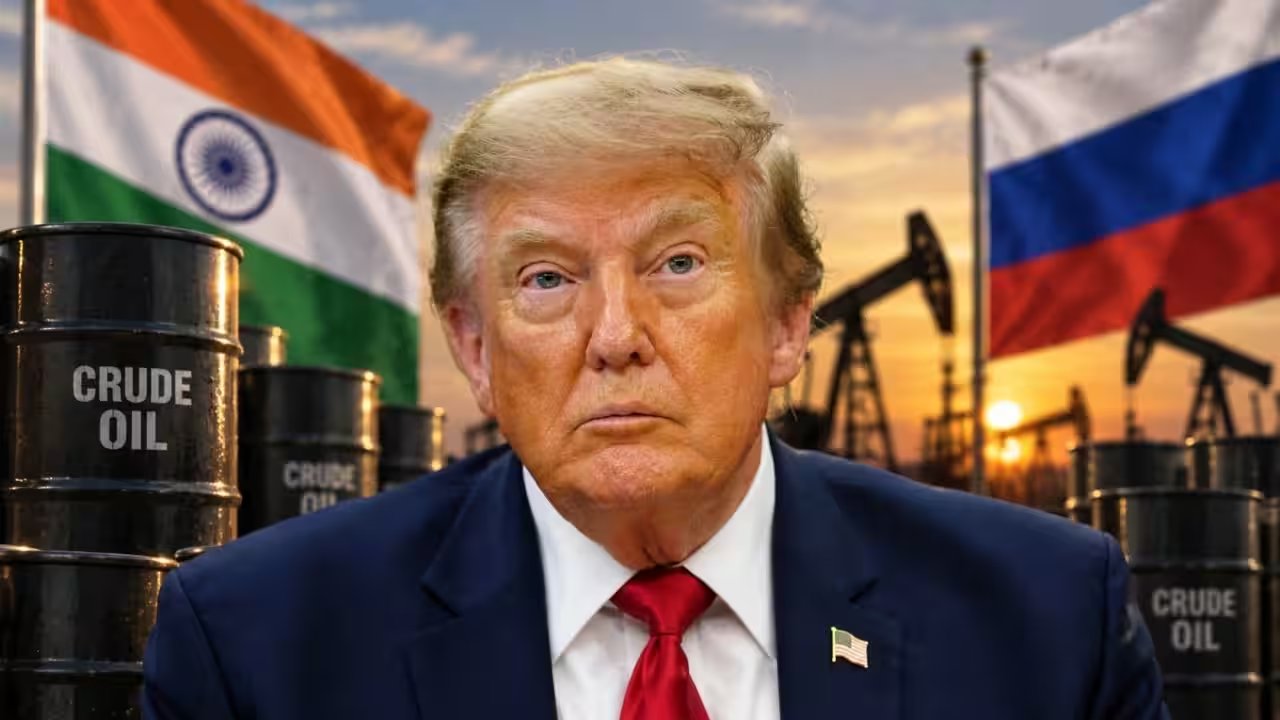
The Lindsey O. Graham Sanctioning Russia and Iran Act of 2026, signed by President Trump in mid‑September, authorized tariffs of up to 100 percent on goods from the five largest U.S. buyers of Russian crude, with India among the top five importers. Trump issued an executive order the same week, stating, "I am hereby waiving the application of such sanctions, restrictions, and duties provided for in the Graham Act," and certified to Congress that the waiver served U.S. national interest. The move came as India had repeatedly warned that the new law would jeopardise its record 2025 oil imports from Moscow, which totalled roughly 100 million barrels.
India’s dependence on Russian crude has surged since European sanctions forced Moscow to sell at historic discounts, making Russian oil the country's largest supplier by volume. Earlier this year, Trump had reduced India‑specific tariffs from 25 percent to 18 percent and removed the 25 percent penalty, yet the looming 100 percent duty still threatened to double import costs. With the waiver in place, Indian refiners can continue purchasing Russian crude without incurring U.S. duties, preserving their supply chain and preventing a spike in domestic fuel prices.
The decision also eases pressure on pending India‑U.S. trade talks. Commerce Minister Piyush Goyal has hinted that a draft trade agreement is close to completion, and the tariff waiver removes a key sticking point that could have delayed negotiations. Analysts say the move signals a warming U.S. stance toward Russia, though it remains to be seen how long the waiver will last amid geopolitical shifts.
However, India still faces fierce competition from China, which has secured large blocks of discounted Russian oil through its state‑owned refiners. While the U.S. tariff relief levels the playing field, Chinese buyers retain a pricing advantage that could erode Indian market share if Russia pivots its export strategy. India will need to secure long‑term contracts and diversify its supply base to counterbalance this rivalry.
Trump’s executive order sets the stage for a potential resumption of U.S. trade talks and signals a temporary reprieve for Indian oil imports. The next step will be the formal review of the tariff waiver by the U.S. Treasury and the confirmation of any new trade agreement by Indian officials. Meanwhile, Indian refineries will monitor Russian supply chains closely as global energy markets remain volatile.