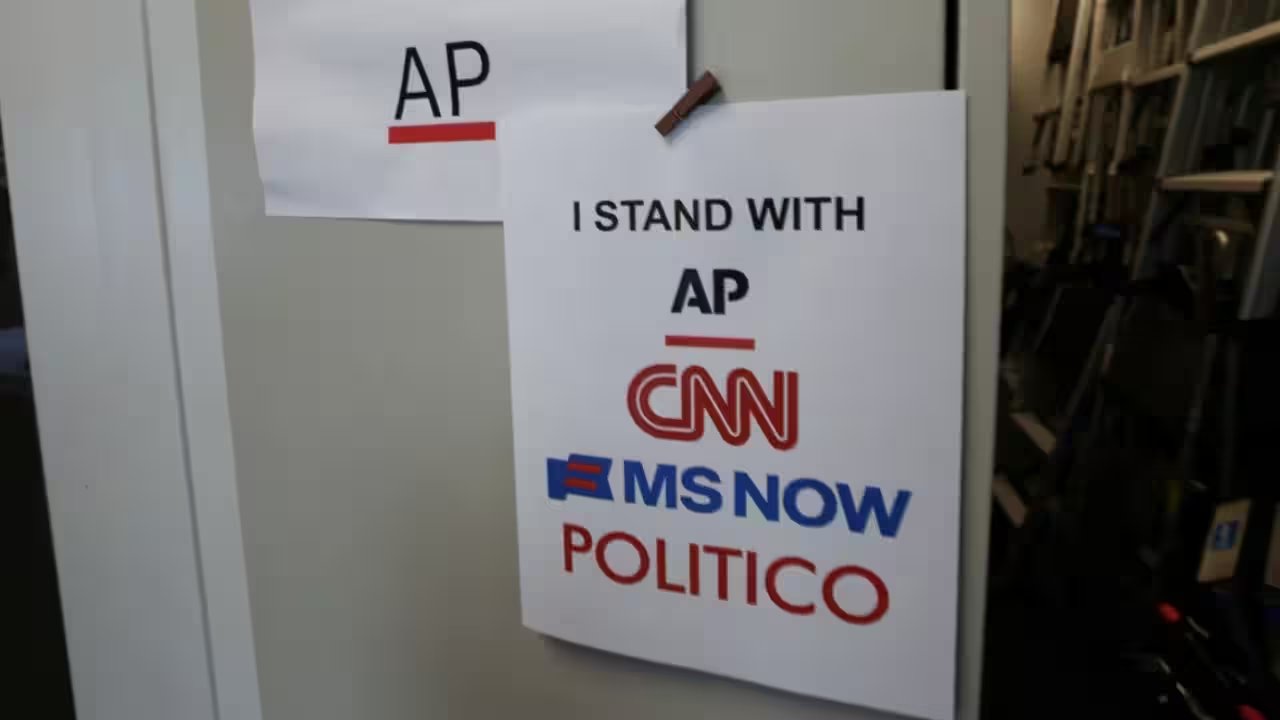
US District Judge Tim Kelly struck down the White House press ban on Tuesday, ordering the Trump administration to immediately reinstate credentials for CNN, MS NOW, and Politico. The ruling landed hours before the judge’s earlier temporary block on the ban was set to expire. Kelly’s decision forces the administration to either comply or appeal, escalating a legal battle that has defined the first year of Trump’s second term.
The judge’s logic is blunt. He found that the ban was likely imposed in retaliation for reporting Trump considered inaccurate or biased against him. In his written order, Kelly quoted the president’s own public comments to establish this link. “President Trump likely banned Plaintiffs from the White House because he believes that their reporting is generally inaccurate and biased against him,” Kelly wrote. This finding is critical because it shifts the burden of proof. The government can no longer hide behind vague national security claims. It must prove the ban was about security, not silence.
The Justice Department had argued that national security concerns motivated the restrictions. Citing reports on the Iran war, the East Wing ballroom, and the Republican midterm convention, lawyers claimed the outlets had disclosed sensitive information. Kelly rejected this. He noted the administration failed to identify any specific classified data. They also didn’t submit sealed evidence to the court. “There is no evidence that Trump had initially revoked the outlets’ press passes on national security grounds,” Kelly wrote. The judge, appointed by Trump during his first term, made it clear that the government’s shifting explanations did not add up.
The legal fight began on September 18, when Trump announced the ban. He repeatedly defended it on social media, calling the outlets’ coverage negative and one-sided. Ted Boutrous, the lawyer representing the media organizations, welcomed the ruling. He argued that Trump had personally issued the ban and consistently cited his dislike of their coverage as the reason. Boutrous told CNN that the ruling exposes the administration’s inability to justify the ban on legal grounds. The outlets also argued the ban had a chilling effect on other newsrooms, making journalists wary of criticizing the president.
Kelly had previously questioned the administration’s changing stories. At a hearing last Thursday, he pointed out the contradiction between Trump’s public remarks and the Justice Department’s legal arguments. Trump had criticized CNN for years, Kelly noted, but the government was now claiming national security as the sole reason for the ban. The judge had earlier ordered the passes reactivated on due process grounds, finding the outlets hadn’t received fair notice. The letters sent after the lawsuit was filed didn’t fix that failure. Now, with the preliminary injunction in place, the real test begins. The administration is expected to appeal to the Second Circuit Court of Appeals, where the fight over presidential power and press freedom will likely rage on for months.