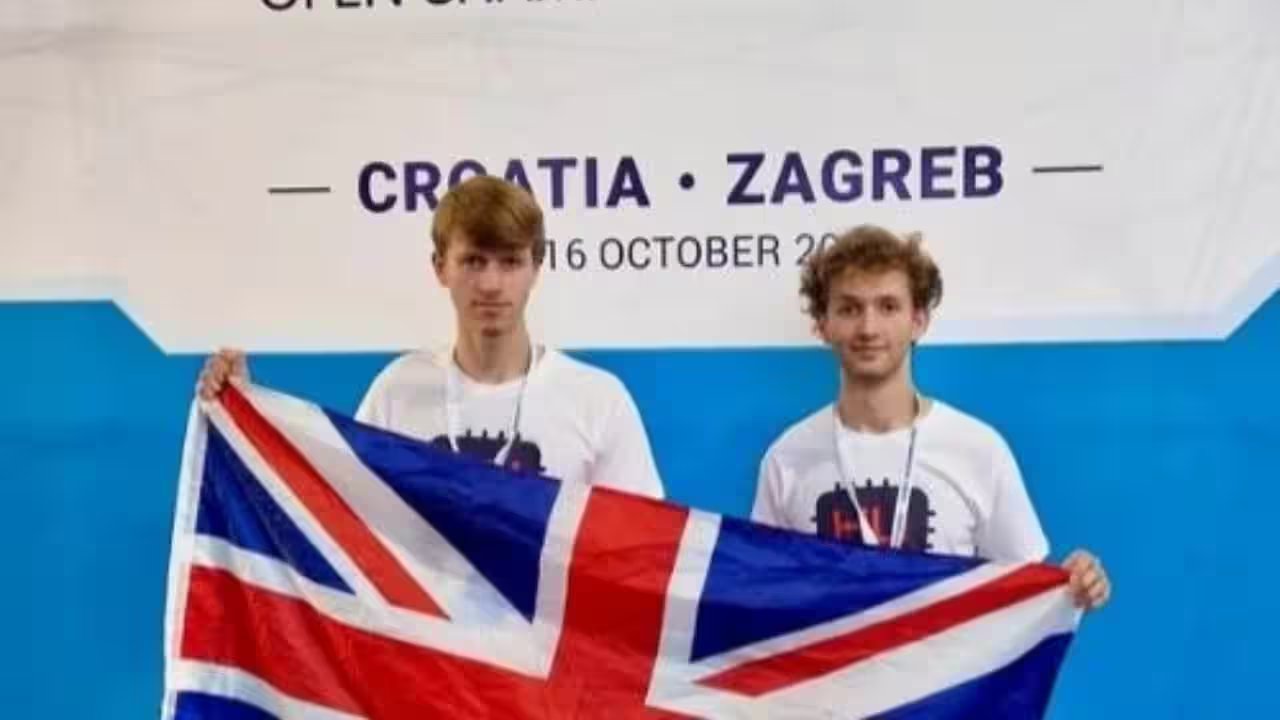
Tom and Felix Hunt stood on a stage in Zagreb, Croatia, holding a trophy that validates a £100 engineering solution to a multi-million-pound accessibility gap. The 19-year-old and his 16-year-old brother, representing the UK under the team name Hunt Robotics, secured the Best Start-Up Idea award at the 2026 World Robot Olympiad European Open Championship.
The device, BrailleGo!, undercuts the industry standard. Commercial Braille embossers typically cost over £1,000 and are bulky, making them inaccessible for schools or small community groups. Hunt’s machine uses 3D-printed parts and off-the-shelf components to produce short-run documents like museum guides or meeting agendas for a fraction of the price.
The inspiration was deeply personal. Their grandfather, a Yorkshire engineer who contributed to the early development of Jodrell Bank Observatory, lost his sight in his sixties. His mother’s subsequent volunteering with the Royal National Institute of Blind People (RNIB) exposed the brothers to the logistical headaches organizations face when needing just a few printed copies of Braille material.
Judges at the Olympiad, which gathered 220 teams from 45 countries, praised the technical quality of the 3D design and electronics. They noted the pair built the machine independently, without the safety net of a coding club or maker space. Tom, who began studying Design Engineering at the University of Bristol in September, views the win as a validation of that independent effort.
The next step is democratisation, not commercialisation. The brothers plan to release the code, design files, and assembly instructions as an open-source project. This allows anyone to build, adapt, and improve the printer. Eleanor Southwood, director of impact at Fight for Sight, endorsed the concept, highlighting its potential to produce smaller quantities of accessible material for diverse communities.