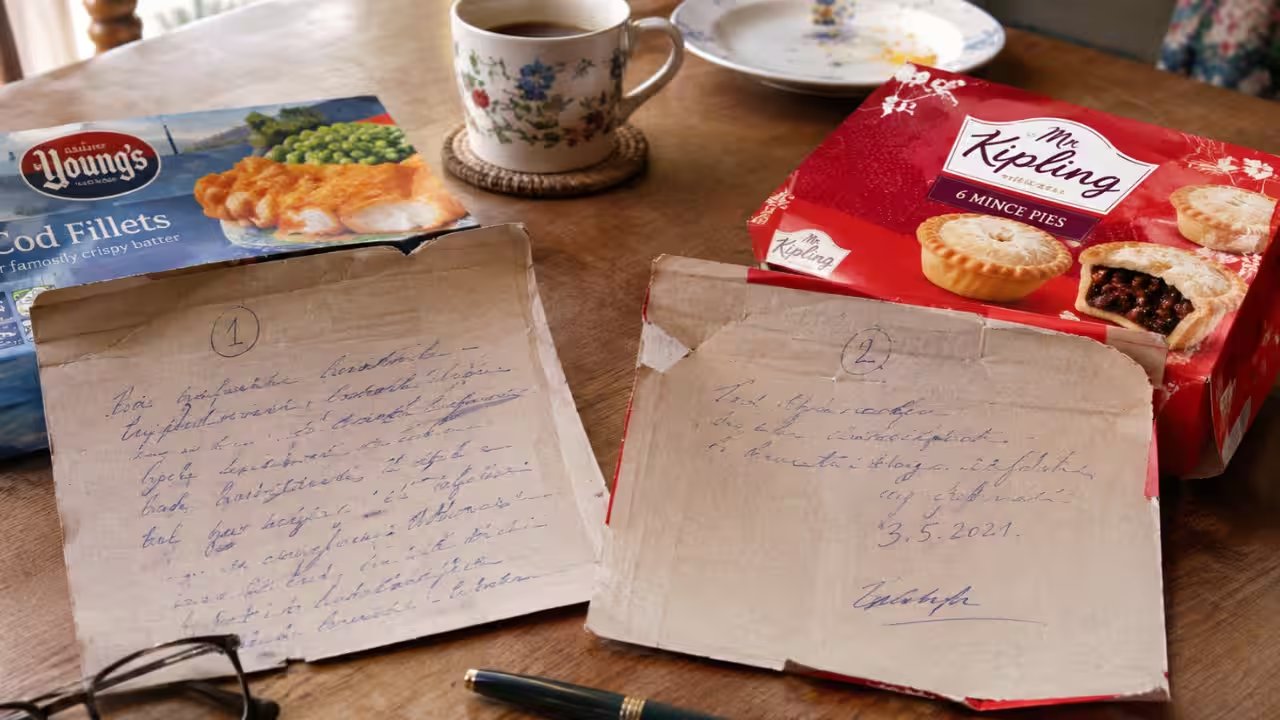
Master Katherine McQuail of the High Court’s Chancery Division struck down the legal argument that a testator must use official paper to bind their assets. On November 8, 2024, the judge admitted two small scraps of cardboard—measuring just 15 by 20 centimetres—to probate. The documents were the back of a Young’s frozen fish fillets box and a Mr Kipling mince pie packet. They carried the final wishes of Malcolm Roy Chenery, a York resident who died on May 4, 2021.
Chenery’s estate was valued at approximately £180,000. It included a three-bedroom house, bank accounts, jewellery, and a large collection of ornaments and pottery. The handwritten notes, marked “1” and “2,” directed the bulk of the wealth to the British Diabetic Association, now known as Diabetes UK. The ornaments and pottery were assigned to the Hornsea Collector’s Society. A specific, poignant instruction remained: Chenery requested his ashes be scattered at York Cricket Club, a site tied to happy memories with his mother.
The legal wrinkle was procedural, not emotional. The two neighbours who signed the second piece of cardboard as witnesses on May 3, 2021, could not recall seeing the first piece. This gap raised doubts under the Wills Act 1837. Barrister Sam Chandler, representing the charity, argued the pieces formed a single testamentary instrument. Both were written in the same pen, produced simultaneously, and addressed overlapping aspects of the estate. The court accepted this continuity, rejecting the presumption that Chenery intended to die intestate.
The ruling clears the path for immediate distribution. Diabetes UK will receive the principal financial assets, while the Hornsea Collector’s Society takes the physical collections. The decision resolves a dispute that could have left the estate to be divided among next of kin under statutory intestacy rules, potentially diluting Chenery’s clear charitable intent. The High Court’s interpretation reinforces that intent outweighs formalism when the evidence of a valid will is clear.