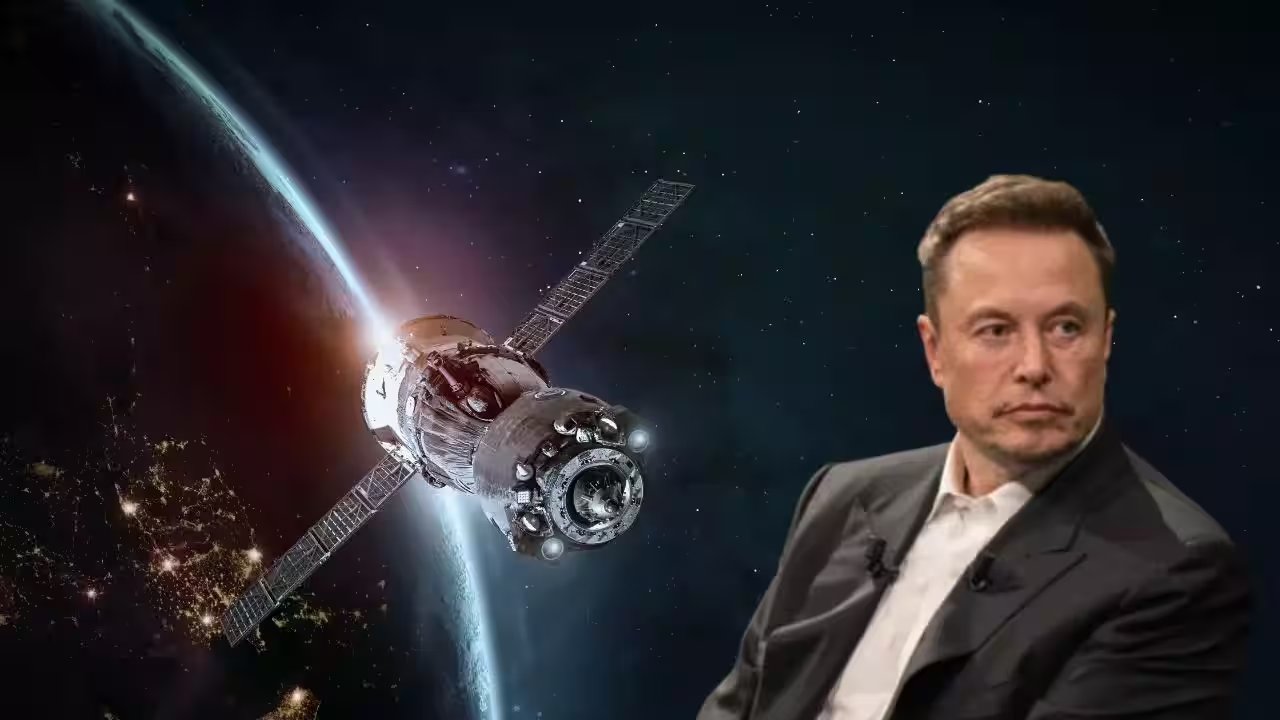
Alexander Stubb addressed the UN General Assembly on Tuesday, demanding that SpaceX’s Starlink satellite network be opened over Russian soil so Kyiv can pinpoint and strike mobile ballistic missile launchers. He argued that such access would blunt Russia’s firepower and save lives before the harsh winter.
Ukraine’s air‑defence picture is bleak. Patriot batteries, the only systems capable of intercepting long‑range missiles, are running out of interceptors after last summer’s record‑breaking strike campaign. The Ministry of Defence has called for a new winter package that includes additional air‑defence hardware, energy infrastructure protection, and funding.
Starlink has been a lifeline for Ukrainian forces since the invasion began, enabling real‑time battlefield communication and drone operations. However, the company’s policy forbids coverage over Russian territory and it has explicitly stated it will not launch satellites to serve Russian military use. Musk said the network would remain off‑limits to avoid violating international law.
Zelensky has used the UN meeting to push for a ceasefire that protects energy facilities and Black Sea shipping lanes, while Stubb floated a 30‑km buffer zone along the contact line as an alternative. He called for an unconditional ceasefire followed by talks on security guarantees and reconstruction, but admitted that practical steps like the Starlink request are immediate priorities.
The Kremlin has not signalled any willingness to accept ceasefire terms, leaving Kyiv to focus on bolstering its limited air‑defence capacity. Meanwhile, a Kyiv‑based drone operator said the loss of reliable communication has forced his squad to rely on ground‑based radio relay, a costly and risky workaround.
With the Russian winter offensive looming, Kyiv is pressing Washington for new Patriot batteries, while Finland’s diplomatic pressure on Musk highlights the international dimension of the conflict and the urgency of securing technological support for Ukraine.