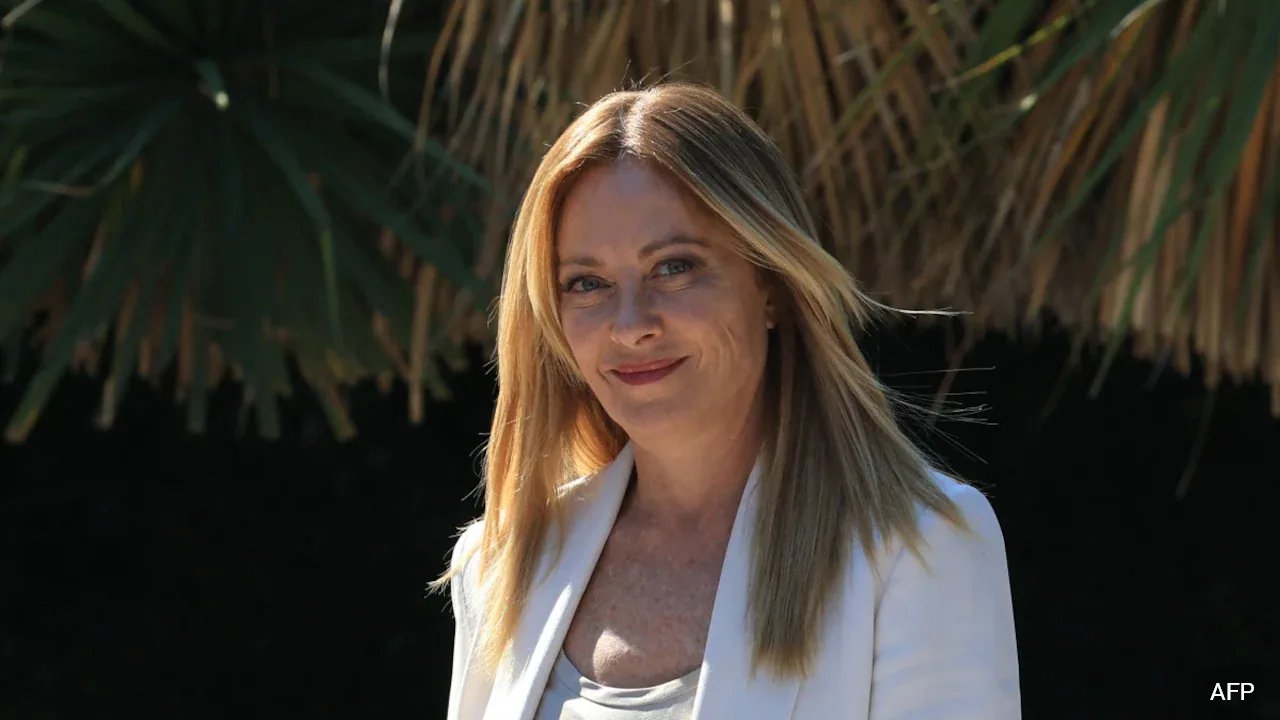
On Thursday, Giorgia Meloni's cabinet signed a decree that bars students from wearing burqas or niqabs in school and caps the share of non‑Italian‑speaking pupils at 30% per class. The measure also orders parents of struggling children to enroll them in free Italian lessons, with a €1,000 fine for failure to comply. The decision comes amid rising tensions over migration policies as Italy prepares for a 2026 general election.
The 30% threshold was first set in a 2010 ministerial memorandum and has been treated flexibly, allowing higher limits for students born in Italy or with adequate language skills. The new text tightens the rule, targeting only new arrivals and excluding those already integrated.
Education Minister Giuseppe Valditara confirmed that more than 34,000 classes across the country already exceed the 30% foreign‑student mark, but most of those would not be affected by the updated law. He warned that inadequate language proficiency hampers academic progress and urged parental involvement.
Opposition leader Elly Schlein slammed the decree as a 'witch hunt' that would segregate children by nationality or language. She joined a chorus of critics, including Save the Children, who fear the policy could create a 'first‑class' and 'second‑class' student divide.
The decree will take effect immediately, with schools notified by the Ministry of Education. Analysts predict that the law will dominate political debate over the next months and could shape voter sentiment ahead of the scheduled 2026 elections.