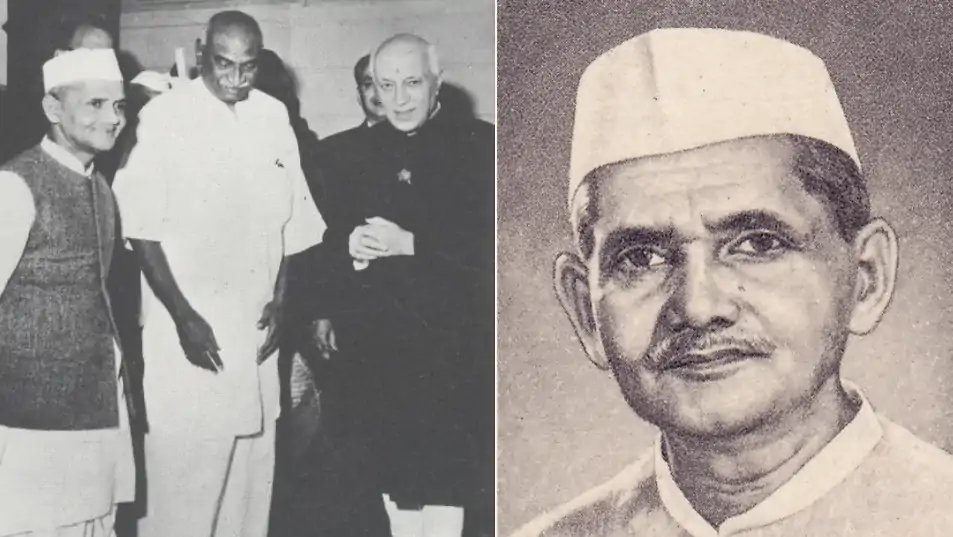
New Delhi, Oct 2 — Prime Minister Narendra Modi marked the birth anniversary of Lal Bahadur Shastri with a visit to Vijay Ghat, the former PM's memorial in the national capital. The occasion, known as Shastri Jayanti, drew a steady flow of dignitaries eager to pay respects to India's second Prime Minister. It was a quiet, somber affair, contrasting sharply with the political noise that usually fills the capital.
Modi took to social media to share his thoughts, releasing a video that highlighted Shastri's contributions to the nation. He focused heavily on the iconic slogan, “Jai Jawan, Jai Kisan.” According to the Prime Minister, this simple phrase empowered every farmer in the country. “Every farmer stood up,” Modi stated, linking the historical figure directly to the agrarian heart of India.
The narrative shifted from political rhetoric to personal reverence in Modi's remarks. He described Shastri as a man who appeared humble on the outside but was “determined like a rock” internally. This duality, Modi argued, is why the former PM's name still evokes a feeling of immense reverence among citizens. It’s a specific kind of leadership—gentle yet unyielding—that the current administration seems keen to highlight.
Tributes weren't limited to the Prime Minister. Union Education Minister Pralhad Joshi joined the chorus, praising Shastri’s “decisive leadership” and “unwavering commitment.” Maharashtra Chief Minister Devendra Fadnavis also weighed in, calling Shastri a leader of “remarkable simplicity.” These statements, while standard for the occasion, reinforce the bipartisan respect Shastri commands across the political spectrum.
Shastri, born Lal Bahadur Shrivastava, rejected his caste surname early in life, adopting the academic title 'Shastri' granted by Kashi Vidyapeeth in 1925. His legacy is tied to a challenging period in Indian history, where his integrity and dedication helped shape the nation's trajectory. The country observes October 2 to remember this man who bridged the gap between the soldier and the farmer, a balance that remains central to national identity.