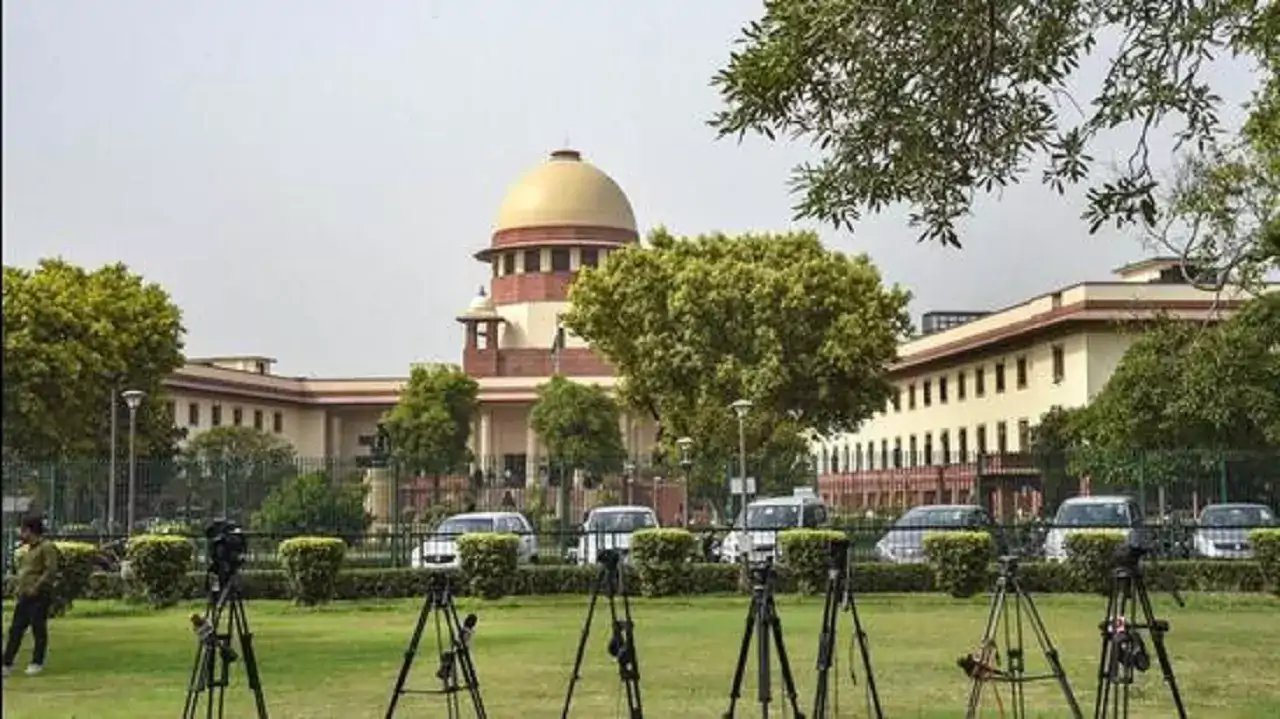
The Supreme Court did not mince words. Justices Sanjay Kumar and Sanjeev Sachdeva declared that the Election Commission of India cannot claim to have lost its records. The bench rejected the ECI’s explanation that it was still trying to trace the video footage from the 2023 Sringeri assembly constituency count. “We won’t accept lame excuses,” the judges stated, bluntly cutting off the poll body’s defense.
The core issue is custody. The ECI handed the footage to an elected candidate but failed to maintain a clear record of its whereabouts. The Court pointed out a fundamental contradiction: the institution exists to hold elections, yet it cannot answer where its own documents are. This isn't just a paperwork error; it’s a failure of the basic administrative duty required to ensure electoral transparency. The bench emphasized that the ECI’s purpose is to conduct free and fair polls, which inherently requires strict document control.
The legal stakes are high. The Supreme Court explicitly threatened to draw an adverse inference against the Election Commission if the records are not produced. In legal terms, this means the court may assume the missing evidence was suppressed or destroyed, which could severely impact any ongoing petitions related to that specific election. The judges gave the ECI a strict deadline: produce whatever they have on the next date. No more delays. No more vague promises.
The next hearing will be the moment of truth for the poll body. The ECI must either produce the Sringeri footage or face the legal consequences of the adverse inference. This ruling signals a zero-tolerance approach by the top court toward administrative lapses by the election regulator, setting a precedent that the ECI must maintain impeccable records of every electoral process it oversees.