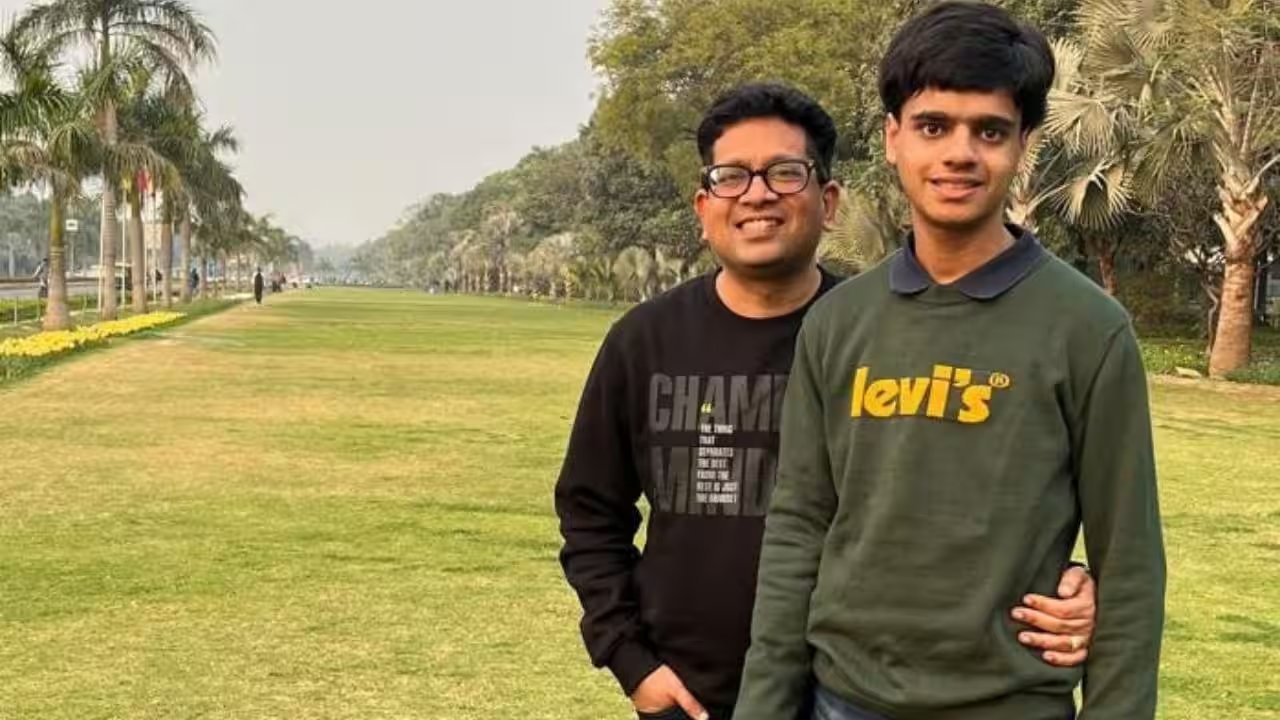
Agastya Singhal doesn’t need a calendar app. Ask him for the day of the week for a date—say, March 12, 1999, or July 4, 2035—and he answers instantly. It’s a skill his father, Apurva, only realized in full after Agastya turned 18 this April. The discovery wasn’t planned; it emerged during a casual conversation, leaving the family in Greater Noida stunned by this specific, high-speed cognitive ability.
Getting here wasn’t a straight line. Agastya was born in 2008, but his parents didn’t understand what was different until he was about four, when he started walking using his hips in an unusual way. Doctors were initially baffled. It wasn’t until he was five or six that an autism diagnosis finally made sense of his struggles with speaking and social cues. He moved from a mainstream school to a special school after Class 4, a necessary shift to give him the right support.
Now, the focus has shifted from just managing challenges to building on strengths. Beyond the calendar trick, Agastya is also exploring music. He recently submitted his Grade 3 Trinity piano examination, showing steady progress in another area. Apurva says the family is “keeping trying” to see what else clicks, treating each new skill as a potential pathway toward independence rather than just a party trick.
The real battle, however, is what comes next. Apurva is vocal about the gap in support once these young adults reach their late teens and early twenties. Therapy and special schools are helpful, but they don’t automatically lead to jobs or social integration. He’s calling on society and the government to look beyond the diagnosis and create realistic pathways for employment and independent living. For Agastya, the goal is simple: a life where his unique mind is an asset, not a hurdle. If you’re in the NCR region, look into local NGOs focused on adult autism advocacy—understanding these support networks is the first step for families facing similar journeys.