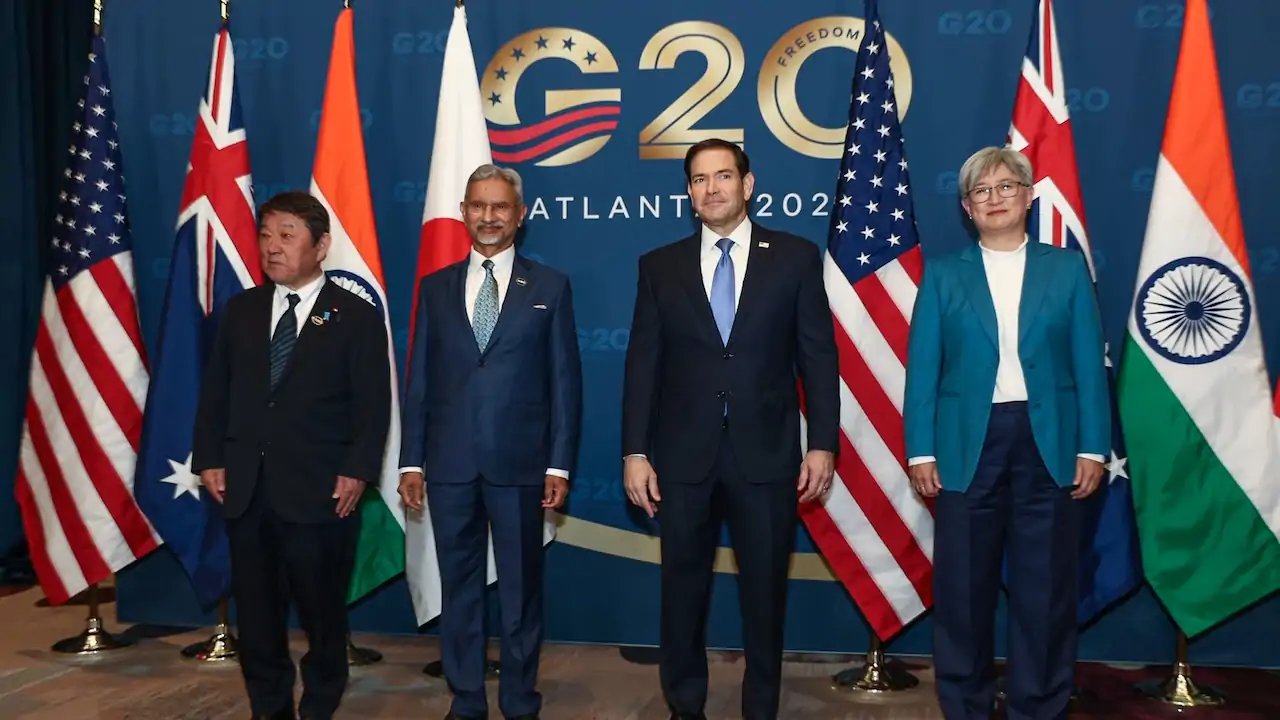
New Delhi’s diplomatic stance at the G20 foreign ministers’ meeting in Atlanta was blunt. External Affairs Minister S Jaishankar argued that the right to industrialize must be protected, explicitly telling peers to firmly resist "predatory practices" and targeted competition. Speaking at the concluding plenary on Saturday, he framed supply chain resilience not just as an economic metric, but as a central pillar of global well-being.
The minister pushed for a structural shift: de-concentration of the global economy. Jaishankar argued that optimizing production across different geographies would discourage the weaponization of finance, resources, and market share. "The G20 should work towards de-politicisation of markets," he stated, urging countries to reconcile national interests for the collective good by building transparent, multi-stakeholder supply chains.
His remarks land at a tense moment in global trade. The meeting was convened by US Secretary of State Marco Rubio, who used the platform to lay out Washington’s security priorities. Rubio insisted that critical trade routes, specifically the Strait of Hormuz and Bab al-Mandeb Strait, must remain open to commerce. He linked these maritime chokepoints directly to the expansion of critical mineral supply chains, calling them essential for protecting future growth.
Jaishankar’s focus on diversification and de-risking highlights a growing anxiety over vulnerabilities created by pandemics, conflicts, and climate events. By calling for multiple supply chains, India is signaling a refusal to rely on single-source dependencies that can be exploited in geopolitical disputes. The US and India are aligning on the urgency of supply chain security, even as their approaches to market access and protectionism diverge.
The two-day meeting set the stage for the upcoming G20 leaders’ summit, where these trade and security frameworks will face final scrutiny. With tensions over critical minerals and maritime security rising, the consensus on "de-politicizing" markets will be tested in the coming weeks as nations finalize their positions for the broader global economic agenda.