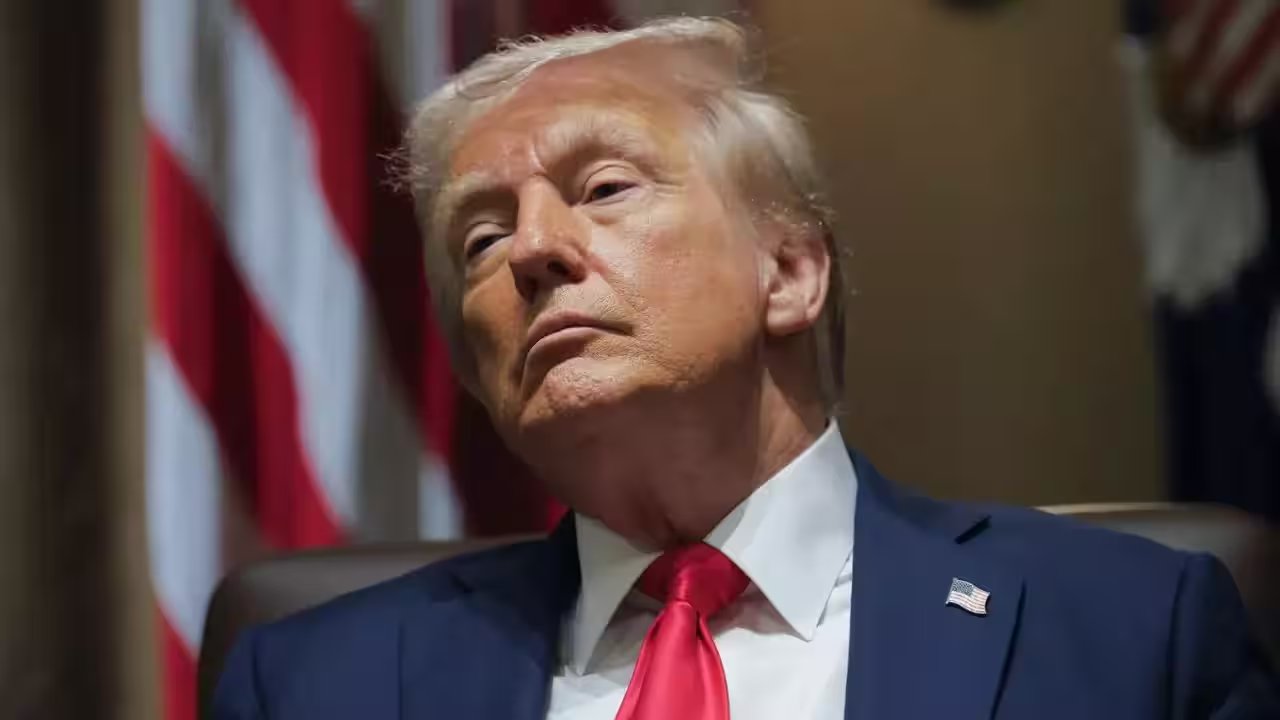
White House counsel has been working since April to map out every legal lever President Donald Trump can pull without a Republican Congress. The strategy, reported by Reuters, focuses on immigration, tariffs, and federal spending—areas where the administration views legislative cooperation as unnecessary. It’s a calculated bet that the executive branch can outrun the legislative one.
Deputy Chief of Staff Stephen Miller and Budget Director Russell Vought are the architects. They are identifying measures that do not require a vote in Washington. The list includes fresh tariffs on critical minerals and wind turbines, tighter visa rules for international students, and aggressive steps to lower housing costs. Vought is also examining how to repurpose funds already approved by Congress to fit Trump’s priorities, a move that would give political appointees greater sway over federal grant rules.
The political stakes are high. Democrats need only four seats in each chamber to take control. Polls favor them in the House, while the Senate remains a coin flip. If they win, they can block legislation, scrutinize spending, and launch investigations. But Trump retains command over trade, foreign policy, and federal agencies. He has spent the last month campaigning for Republicans, even as his aides prepare for a 2027 power shift. White House spokeswoman Lauren Bis dismissed the idea of a loss, calling it a "false narrative" promoted by the media.
The administration’s confidence is rooted in precedent. Since January 2025, Trump has used executive orders to impose tariffs, shrink the federal workforce, and conduct the war against Iran without fresh congressional approval. "President Trump in the last two years has basically ignored Congress," said Nathan Gonzales, editor at Inside Elections. "I think he will only continue if there are Democratic majorities." One source familiar with the preparations described Trump as "very comfortable" governing through executive power alone.
The real fight will happen in the courts and committee rooms. A Democratic Senate could block judicial nominees, while House Democrats have already discussed using subpoenas to investigate whether Trump used his office to benefit allies or donors. White House lawyers are briefing agency heads on how to navigate these inquiries and are seeking a Justice Department opinion on invoking executive privilege to shield communications. The next move depends on Tuesday’s ballot count, but the legal groundwork is already laid.