Car design is hurtling toward a generational cliff. What appeals to today's buyer will look prehistoric to the buyers of 2036—the cohort of Gen Z and Gen Alpha motorists who will judge vehicles on software ecosystems, shared cockpits, and radical packaging rather than traditional sheet metal.
To see where that curve leads, Maruti Suzuki India turned directly to university drafting tables. The automaker concluded the second edition of its DesignXathon competition, drawing over 450 students from more than 70 design schools across India and abroad. The assignment was blunt: build an iconic vehicle concept that younger demographics would actually want to purchase in 2036.
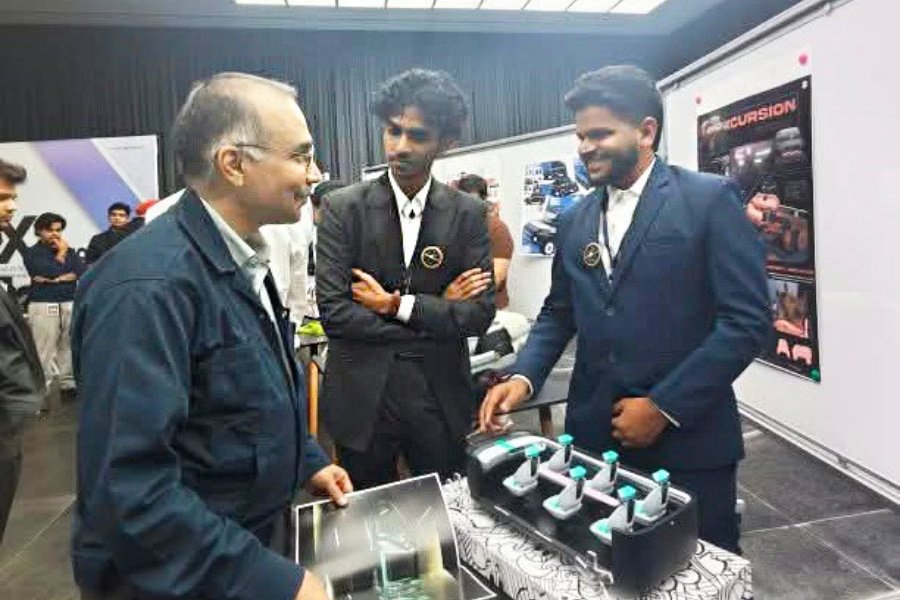
Ten teams cleared the preliminary evaluation stages and mentorship rounds with the carmaker's styling division, culminating in an exhibition of physical 1:8-scale prototypes at the Maruti Suzuki India Design Studio in Gurugram.
Italy's IED Torino bagged the top prize, while home-turf finalists dominated the remaining podium. Two separate squads from the National Institute of Design (NID) Gandhinagar swept both the first and second runner-up spots.
The podium finishers walked away with cash prizes, but the bigger prize sits on the studio floor. All three top teams secured six-month internships inside Maruti Suzuki's Gurugram design facility. Furthermore, candidates placed fourth through tenth will undergo supplementary evaluations for prospective design internships.
| DesignXathon 2026 Parameter | Official Specification / Result |
|---|---|
| Participant Pool | 450+ students across 70+ design institutes |
| Core Brief | Iconic vehicle concept for Gen Z & Gen Alpha (2036) |
| Final Prototype Scale | 1:8-scale physical models |
| Grand Finale Venue | Maruti Suzuki India Design Studio, Gurugram |
| Winner | Team IED Torino (Italy) |
| First Runner-Up | Team National Institute of Design (NID), Gandhinagar |
| Second Runner-Up | Team National Institute of Design (NID), Gandhinagar |
| Top Rewards | Cash prizes and six-month studio internships |
Maruti Suzuki Managing Director and Chief Executive Officer Hisashi Takeuchi framed the challenge around rapid shifts in lifestyle and drivetrain hardware.
The competition was intended to connect emerging design talent with the automotive industry as customer preferences, lifestyles and vehicle technologies evolve," Takeuchi stated, pointing to the need for deeper ties between commercial studios and academic workshops.
Market Context: Maruti Suzuki commands over 40% of India's passenger vehicle market, but holding that perch into the next decade demands styling languages that resonate with digital-native buyers. Initiatives like DesignXathon operate as talent funnels, pulling unconstrained academic thinking directly into the corporate pipeline before global styling shifts pass mainstream manufacturers by.
Takeuchi stressed that the contest seeks to inject professional design parameters into campus studios while building out India's broader vehicle styling footprint. Instead of purely theoretical renders, the second edition pushed students through rigorous mentoring sessions overseen by active studio staff, forcing concept sketches to survive aerodynamic, structural, and packaging critiques.
With the prototypes judged and cash prizes dispersed, Maruti Suzuki now moves the top design talent into its studio bays. The immediate next milestone belongs to the runner-up candidates outside the top three, who head into individual portfolio evaluations to settle the remaining internship rosters in Gurugram.