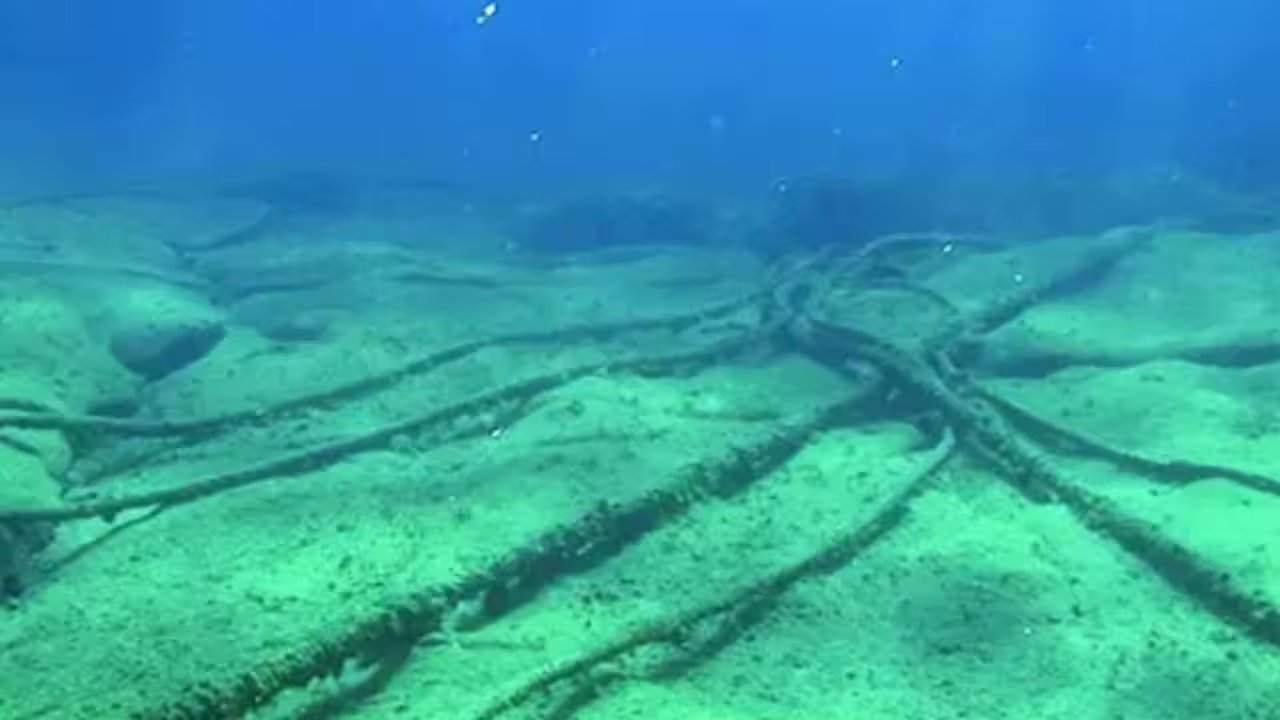
Iran’s Revolutionary Guard Corps issued a warning that could trigger a new wave of cyber‑physical aggression in the Gulf, following a series of attacks on U.S. and Israeli infrastructure last year.
Yadollah Javani told reporters on 12 October that Tehran possessed “full access to the undersea cables” and could “easily destroy them,” adding that the regime would also target repairs to keep disruptions prolonged.
Seven cables, all buried beneath the Strait of Hormuz, carry roughly 99 % of global internet traffic; a single cut could slow e‑commerce, financial transactions and cloud services worldwide. Researchers estimate that less than 1 % of international bandwidth currently passes through the strait, but the loss of these dedicated routes would force traffic to reroute through congested alternatives, potentially adding latency and cost.
The U.S. State Department has called the warning, and a joint cyber‑defense task force is forming to counter the threat. Analysts note that Iran could enlist Houthi allies in Yemen to extend the strike into the Red Sea, which handles about 10 % of inter‑regional data traffic. The next step will see Washington reassessing its satellite and fiber‑optic resilience plans before the next U.S. and Israeli campaign unfolds.