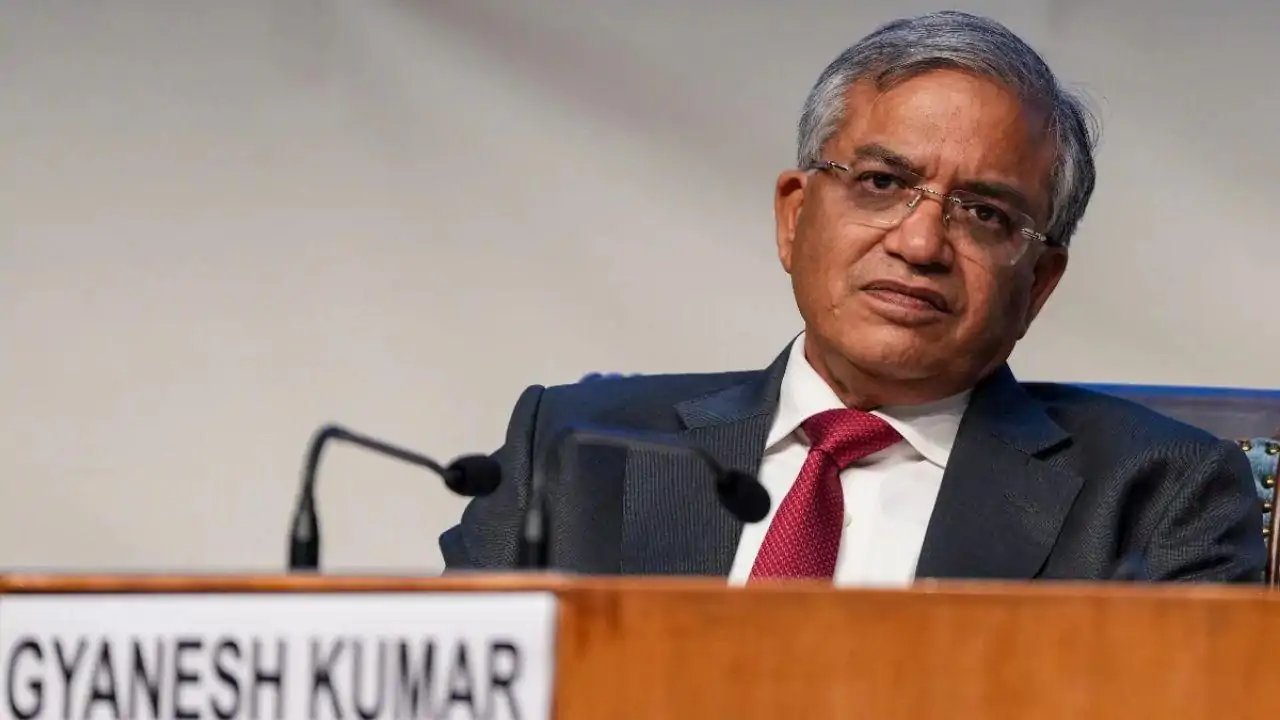
Chief Justice Surya Kant agreed to list a petition seeking the suspension of Chief Election Commissioner Gyanesh Kumar on September 29, following allegations that he made unilateral decisions regarding the special intensive revision (SIR) of electoral rolls. The CJI did not fix an exact date but signaled the matter would be heard next week, a move that escalates the institutional crisis at the Election Commission of India.
Petitioner Rakesh Kumar Singh, represented by Senior Advocate Vikas Singh, argued that the Commission's decisions must be unanimous or by majority, as per the statute. Singh questioned whether the nationwide SIR exercise received the full Commission's approval, noting that claims of a 'Commission decision' crumble if the body did not act collectively. "The purpose of having a multi-member Commission was that, and the statute says so, that it has to be a decision unanimously or by majority," Singh told the court.
The petition highlights a deep fracture within the institution. It cites 14 specific objections recorded by Election Commissioners Sukhbir Singh Sandhu and Vivek Joshi between October 2025 and August 2026. These objections allegedly challenged administrative measures and decisions issued in the EC's name without the full panel's consent. This is the second legal challenge in this dispute; an earlier plea sought criminal prosecution of Kumar over the same decision-making process.
The Election Commission has pushed back, stating that differences of opinion are routine and asserting that all orders issued over the past year were based on unanimous decisions. Despite this denial, the political fallout has been severe, with the Opposition demanding Kumar's resignation. The Supreme Court's intervention now places the integrity of the electoral roll revision process under direct judicial scrutiny.
The matter is scheduled to come up before the Supreme Court next week, though a specific date remains unannounced. A ruling could set a precedent for the internal functioning of the Commission, determining whether the CEC holds unilateral executive power or if every significant decision requires the collective mandate of the three-member body.