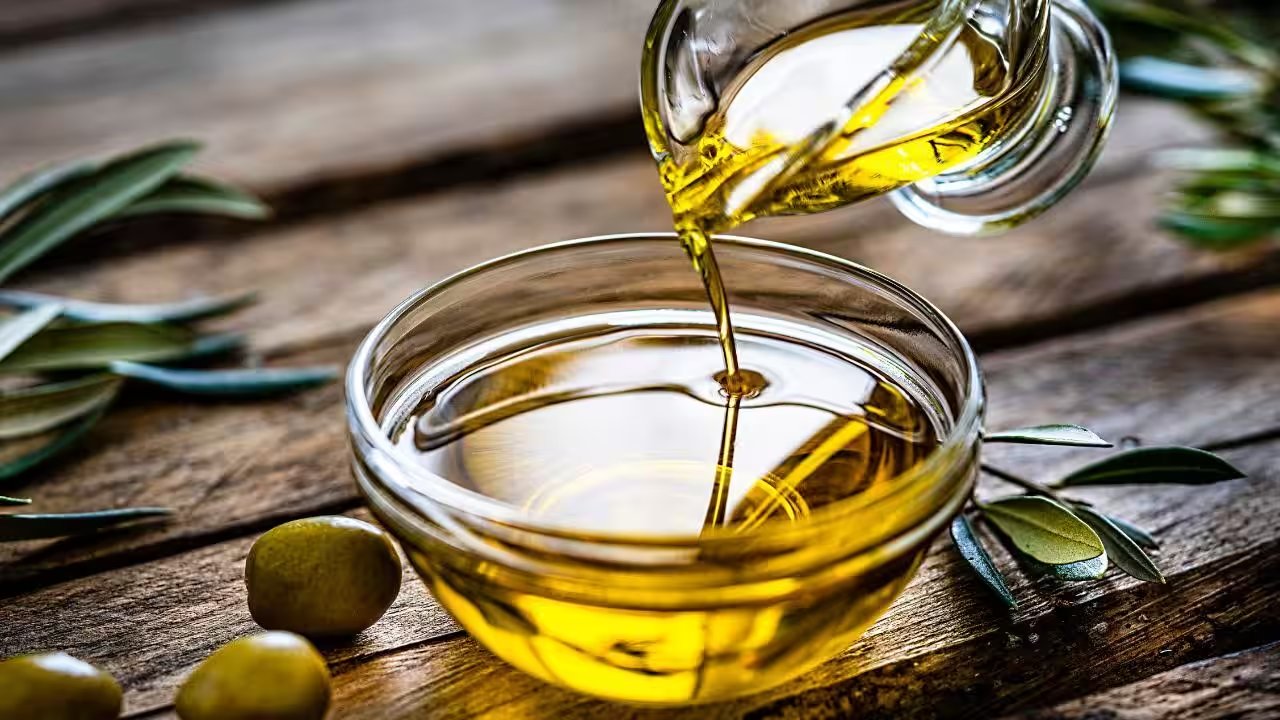
If you’re looking for a single oil that brings flavor and a heart‑friendly profile to your kitchen, look no further than 100% virgin coconut oil. Its golden sheen and mild coconut aroma make sautéed veggies feel indulgent without the heaviness of butter.
Coconut oil isn’t a miracle heart‑health panacea—its high saturated‑fat content can raise LDL if you overdo it. But the medium‑chain fatty acids it contains are digested faster than longer chains, giving you a quick energy boost and a light, non‑greasy finish on your dishes.
When you compare it to the other staples in an Indian pantry, the differences surface quickly. Mustard oil, prized for its punchy flavor, carries erucic acid and is best kept in food‑grade jars; groundnut oil offers a buttery note and decent vitamin E but still packs a saturated‑fat punch; ghee pours a rich, nutty aroma yet is high in saturated fat; vanaspati (the hydrogenated “vegetable” fat) can still hide trans fats unless you read the label carefully. Sesame and olive oils bring their own flavor profiles and are great for quick pan‑sauté or dressing, but they lack that unique coconut sweetness that makes a dish feel complete.
For a balanced routine, keep coconut oil in the spotlight for high‑heat, quick‑sauté dishes and swap in groundnut oil for everyday stir‑fries, while reserving ghee for special, low‑frequency use. Buy a small jar of 100% virgin coconut oil at your local grocery or organic store—prices hover around ₹200 for 250 g. Start by using just a tablespoon for each batch of vegetables, and notice how the subtle aroma lifts the whole meal. Next time you’re prepping a curry, try a splash of coconut oil to add depth without the heaviness of ghee.