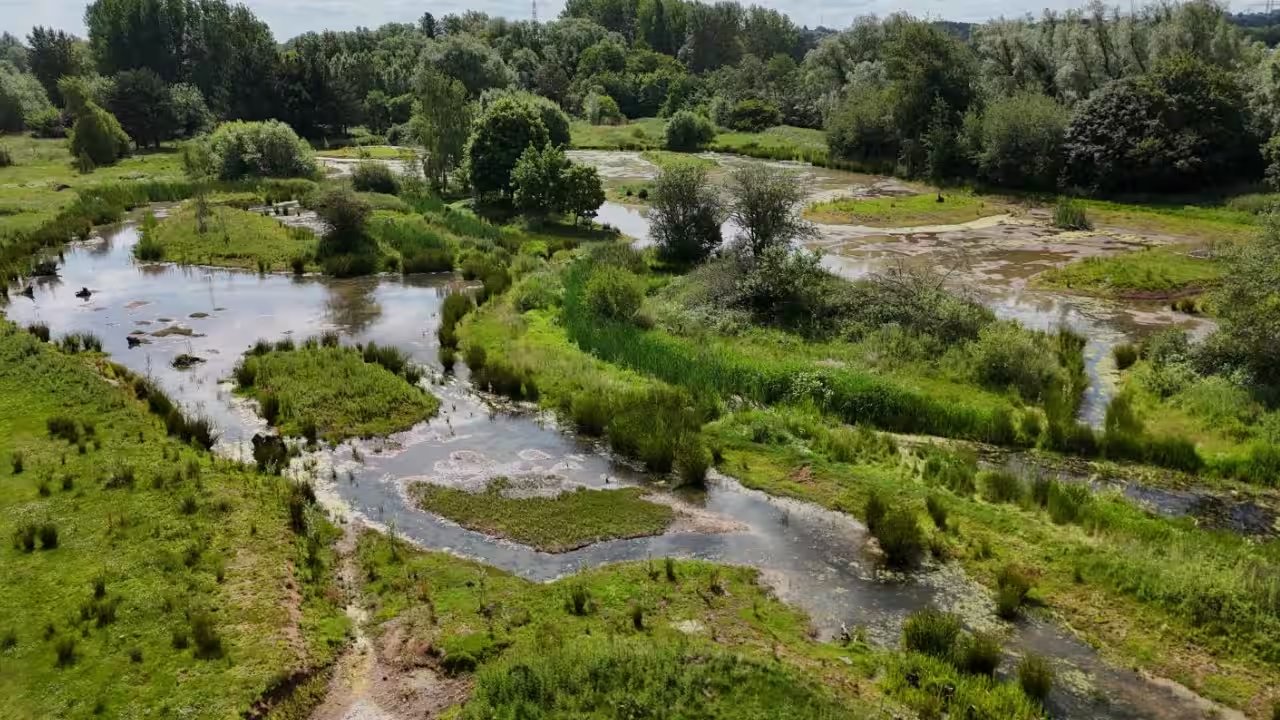
Staffordshire Wildlife Trust officially took ownership of the 64-acre site in Rugeley from ENGIE in September 2025. The land, which once housed a golf course for former Rugeley Power Station staff, is undergoing a complete ecological overhaul. The Trust, supported by ENGIE, the Environment Agency, and Severn Trent Water, is transforming the former industrial footprint into a functional floodplain habitat.
The project, branded as Rugeley Riverside Park, involves lowering sections of the floodplain and carving out ponds and channels. This isn't just landscaping; it's a targeted restoration effort to support species like dragonflies, little egrets, and otters. The work creates a green corridor along the River Trent, a waterway that flows for more than 220 miles from source to sea.
This local effort feeds into a national strategy. In September 2025, The Wildlife Trusts launched the 'Rivers 2040' project, an 18-month initiative assessing the environmental and economic benefits of restoring river ecosystems across England. Rugeley is a flagship example of this wider push to reclaim urban riverbanks from industrial legacies.
For residents, the site marks a stark shift in local identity. Neighbors who remember the coal-fired power station will soon walk a 1.5-kilometre circular route through meadows and wet grasslands. The trail includes viewing areas and information points, turning what was once a restricted staff facility into a public nature reserve.
The park sits within a larger 139-hectare regeneration zone. Vistry Group, which holds planning permission for 2,300 new homes, a school, and employment spaces on the adjacent land, is developing the surrounding neighbourhood. The wildlife park serves as the green lung for this new community.
The Rugeley Riverside Park is set to open its gates to visitors in September 2026, provided current construction timetables hold.