Tata Motors’ EV penetration jumped to 25% this year, up from 14% last year, a clear sign buyers are increasingly turning to electric models. Yet the gap between demand and supply still leaves many waiting lists.
August sales hit a new high of 16,549 units, and the first eight months of the year saw 93,164 units sold, eclipsing the 81,125 units sold in 2025. For anyone looking to buy a Tata EV now, the queue could stretch longer than the delivery slot you expect.
The company has doubled its monthly production capacity from an average of 7,500‑8,000 units last year to more than 16,000 units this month, but the bottleneck stays in the supply chain. “We can shift capacity inside Tata, but suppliers need production schedules in advance to expand,” Chandra said, underscoring why the supply side is still lagging.
Industry‑wide penetration climbed from 4.5% to about 8% this year and is projected to hit double digits next financial year. Rising fuel prices and a growing sense that EVs are the future are pushing buyers to book ahead, even as they face longer wait times.
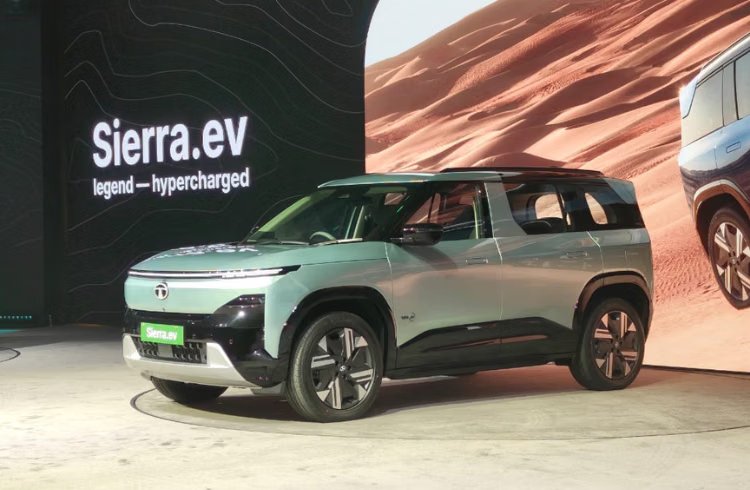
Tata’s EV portfolio is the broadest among mainstream Indian passenger‑vehicle makers, with seven models: Tiago EV, Nexon EV, Punch EV, Harrier EV, Curvv EV, Tigor EV/Xpres‑T, and the newly launched Sierra EV. From a city‑hopping hatchback to a family‑friendly crossover, there’s a Tata EV for almost every need.
Looking ahead, Tata plans to clear the current backlog by late 2026, with early deliveries expected in major metros. Buyers should keep an eye on supply‑chain upgrades and any price adjustments that come as production scales up.