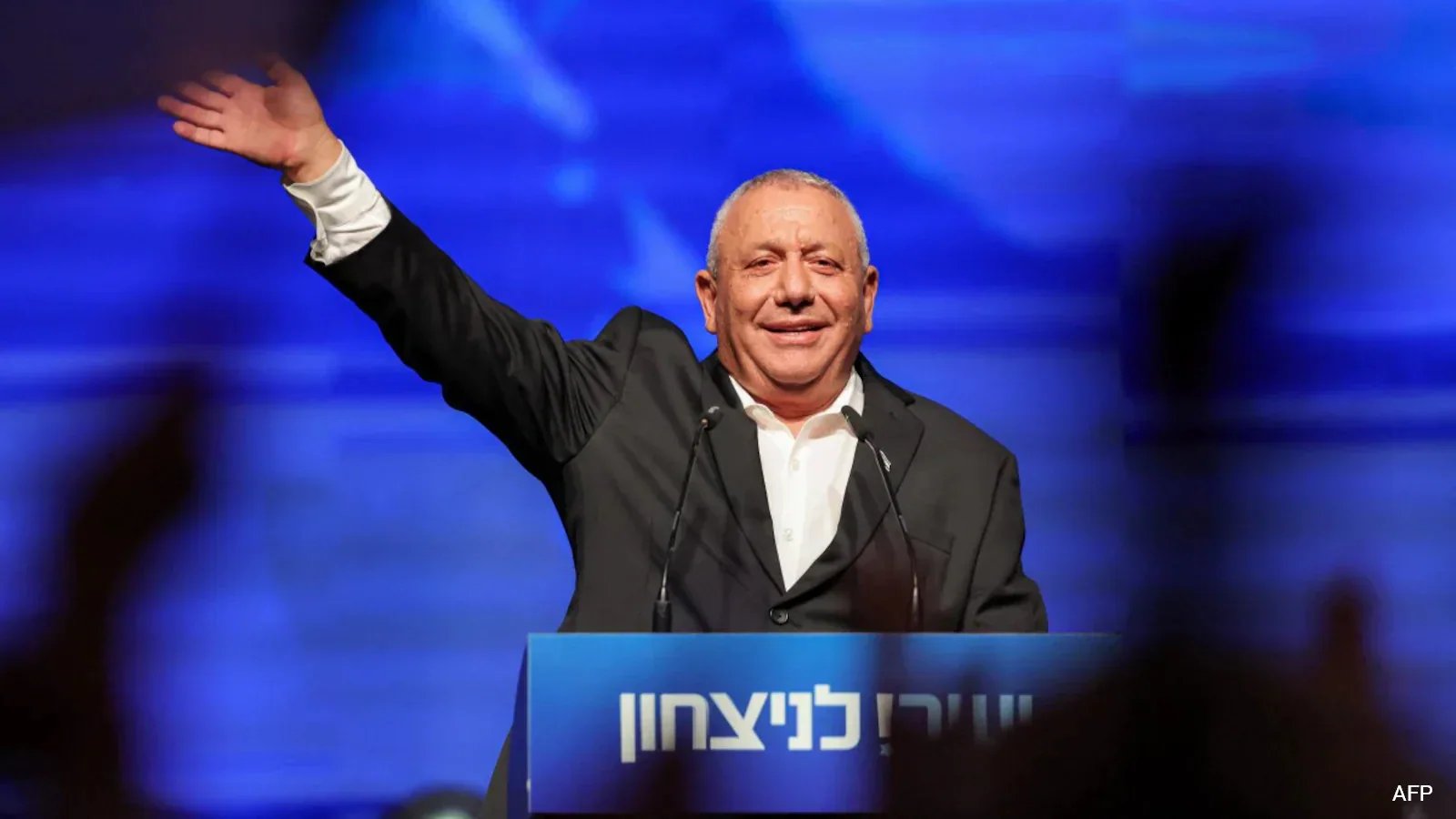
Israeli President Isaac Herzog handed former military chief Gadi Eisenkot the mandate to build the country’s next government on Sunday, setting off a frantic scramble to break a entrenched political deadlock. Eisenkot secured 67 endorsements from members of the newly elected Knesset, soundly beating Prime Minister Benjamin Netanyahu’s 46.
But the arithmetic remains brutal. Neither leader won the 61-seat parliamentary majority required to govern in the Oct. 27 election, leaving Eisenkot with a raw opposition core of just 48 seats against Netanyahu’s 53-seat right-wing bloc. Converting paper recommendations into signed coalition agreements demands assembling sworn ideological adversaries under a single tent—a test that has shattered veteran Israeli politicians for decades.
"We are in a state of emergency, approaching a point of no return for Israel," Eisenkot declared at the president’s residence on Sunday, warning that ongoing wars and looming diplomatic isolation leave no room for delay. "We must form a national emergency government, and this will require creative and unconventional political steps."
The former general's initial strategy centers on locking in a 48-seat minority government backed from the outside by Israeli Arab parties before drawing in traditional Netanyahu allies. Yet that path triggered instant internal revolt. Avigdor Liberman, who heads the right-wing Israel Beytenu party, flatly ruled out leaning on Arab factions even as an interim fix. Seeking common ground with ultra-Orthodox parties Shas and United Torah Judaism presents an equally volatile roadblock, as Eisenkot's platform explicitly demands mandatory military conscription for ultra-Orthodox men.
| Parliamentary Faction / Metric | Seat & Endorsement Breakdown | Position on Coalition |
|---|---|---|
| Presidential Endorsements | 67 Eisenkot / 46 Netanyahu | Mandate awarded to Eisenkot |
| Majority Threshold | 61 Knesset Seats | Absolute requirement to govern |
| Opposition Core Bloc | 48 Seats | Baseline coalition under Eisenkot |
| Netanyahu Right-Wing Bloc | 53 Seats | Resisting opposition-led administration |
| Statutory Mandate Window | 28 Days (4 Weeks) | 14-day extension permitted by law |
Netanyahu is pushing back fiercely. The long-serving premier released a video address warning against an administration propped up by "terror backers," aiming his rhetoric at the Arab parties while doubling down on allegations that voter irregularities in the Arab sector swayed the election. Israel's Shin Bet chief and the attorney general both concluded that ongoing reviews found zero evidence of fraud on a scale capable of altering the outcome. Eisenkot rejected the prime minister's overtures on Sunday, dismissing Netanyahu's unity rhetoric as a political gimmick and urging moderate members of Likud to break ranks and defect.
Eisenkot has exactly four weeks to negotiate signed coalition deals, with the legal option of requesting a single two-week extension from President Herzog before the mandate expires.