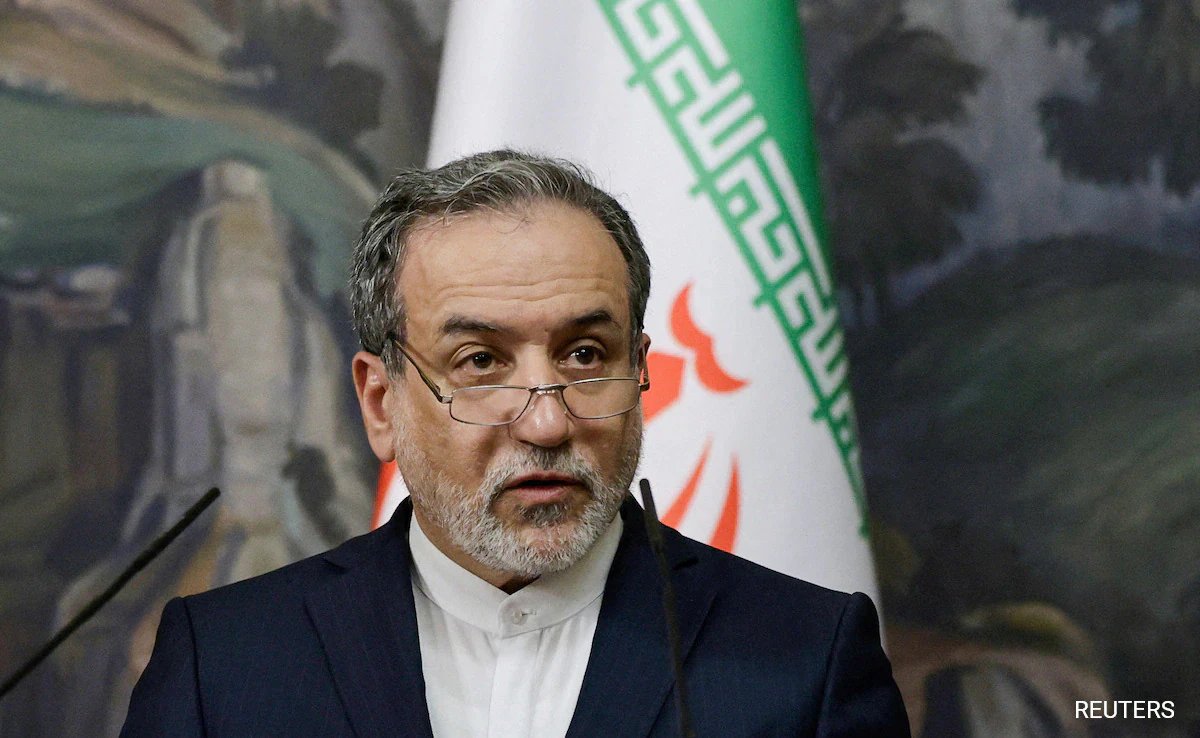
TEHRAN — Iran ordered Washington on Tuesday to capitulate to its diplomatic terms to reopen the Strait of Hormuz or face prolonged conflict.
Wars do not end cleanly. Foreign Minister Abbas Araghchi made Tehran's stance blunt, warning that months of economic tightening and aerial bombardment have achieved nothing. Address the demands on the table, Araghchi insisted, or watch the waterway remain shut.
"The conflict with Iran will not be resolved through military means, nor by intensifying sanctions," Araghchi stated. "The only solution is to adopt a language of respect, engage in diplomacy, and address Iran's demands and conditions — which were outlined in the two-day proposal and remain on the table."
The ultimatum landed hours after US President Donald Trump signaled that diplomatic talks were finally gaining traction. Meeting Qatar's prime minister at the White House on Monday, Trump pointed to fresh room for negotiation after eight punishing months of combat. He struck a measured tone on social media, writing that while American forces remain "locked and loaded," additional military strikes are "quite unlikely" because Washington's regional partners in the Gulf prefer immediate stability.
The domestic costs have mounted fast for the White House. Trump's Republican party dropped control in last week's midterm elections — a defeat driven in significant measure by public anger over soaring energy shocks and open-ended Middle Eastern combat.
Tehran has choked the Strait of Hormuz since the war ignited in late February, when joint US-Israeli strikes killed Iranian Supreme Leader Ayatollah Ali Khamenei. The maritime choke point handles a fifth of global petroleum traffic. Its closure has paralyzed commercial shipping corridors, triggered counter-blockades against Iranian ports, and rattled international commodity markets.
Iran's new proposal offers a swift exit ramp. Tehran will unblock the strategic strait within 48 hours, but only if the White House signs off on a comprehensive capitulation package.
| Iran's Hormuz Proposal Terms | Strategic Battlefield Condition | Status / Demands |
|---|---|---|
| Maritime Choke Point | Strait of Hormuz Passage | Reopened within 48 hours of agreement |
| Energy Penalties | Washington's Oil Sanctions | Immediate and complete cancellation |
| Sovereign Capital | Frozen Iranian State Assets | Full release of overseas funds |
| Naval Operations | US Port Counter-Blockade | Total cessation of maritime encirclement |
Diplomatic envoys from Qatar and Pakistan are shuttling draft agreements between the two capitals. Yet the rhetoric inside Tehran remains fiercely defiant.
Iran's Supreme National Security Council chief Mohsen Rezaei dismissed Washington's messaging on Tuesday, demanding that the US accept defeat.
The war on Iran has already wrecked the US government. But Washington flails like a desperate gambler. FOLD YOUR HAND. STOP manufacturing FAKE NEWS about imaginary talks.
Mohsen Rezaei, Head of Iran's Supreme National Security Council
Rezaei's tirade underscores the steep friction facing Qatari and Pakistani negotiators. While White House officials indicate that armed engagement may pause to permit back-channel dialogue, Tehran refuses to dilute its baseline economic and military demands.
| Combat Status |
| Eight-Month Regional War |
| Comprehensive cessation on all fronts |