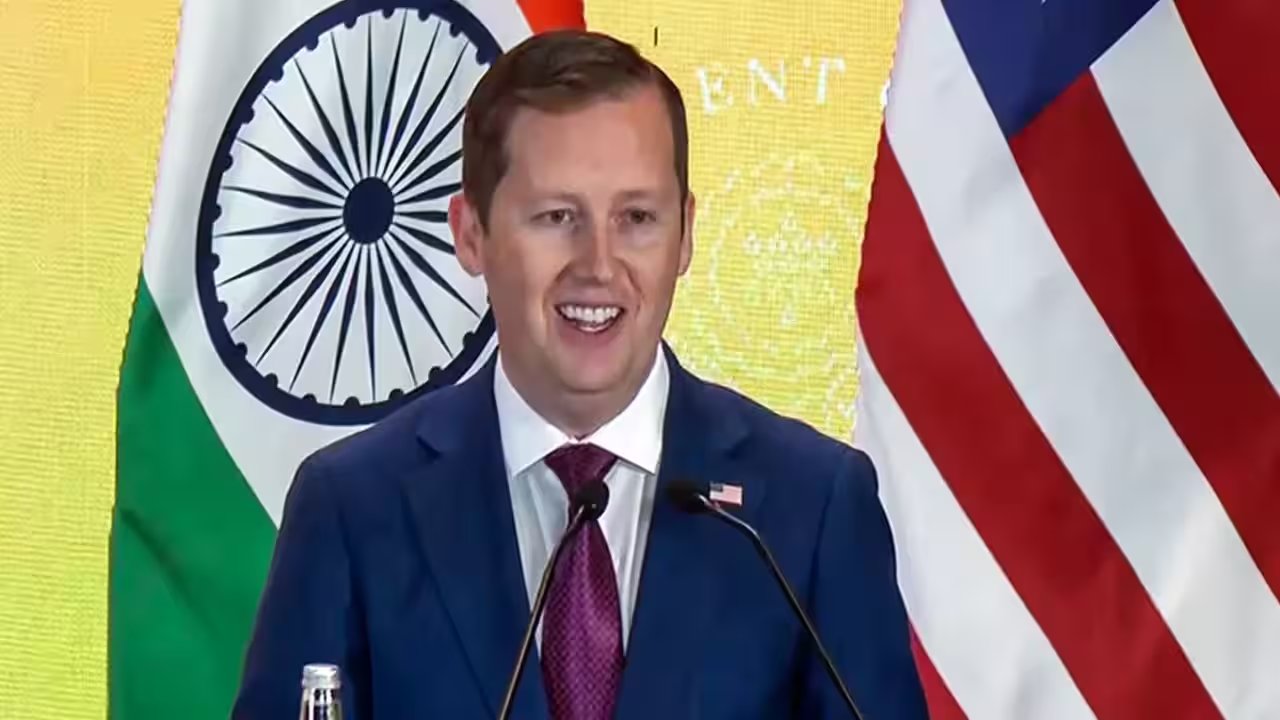
Thursday’s remarks from Ambassador Sergio Gor came after a year‑and‑a‑half of talks that had stalled for years. He told reporters that the core provisions of the India‑US trade accord were now sealed, a speed that surprised even seasoned negotiators. His comparison to the EU‑India pact—nearly 20 years long—underscores the brisk pace he observed since taking office.
The U.S. sanctions law, which cleared the Senate with 86 votes, gives President Trump the power to target buyers of Russian oil and gas. Gor clarified that the bill is not aimed at any single country, noting it targets “oil, gas, and sanctions evasion” buckets. The President must weigh the bill’s implications and decide within 30 days, though no sanctions have yet been imposed.
India happens to fall into one of those buckets, alongside a host of other nations, according to the ambassador. He added that the legislation’s goal is to end the war, not to punish India. The President’s forthcoming decision in the next ten days will determine whether India receives an exemption or relief.
Gor also highlighted the economic upside, pointing to U.S. firms already co‑producing defense equipment and building data centers in India. He said companies such as Google, Microsoft and Micron are expanding their Indian footprints, creating jobs that ripple back to the United States. The trade deal promises a win‑win for both labor markets.
With the core items locked, the next milestone is the President’s sanction decision. Trade officials say a formal signing is on the horizon, potentially within weeks, once the administration clears the final regulatory hurdles.