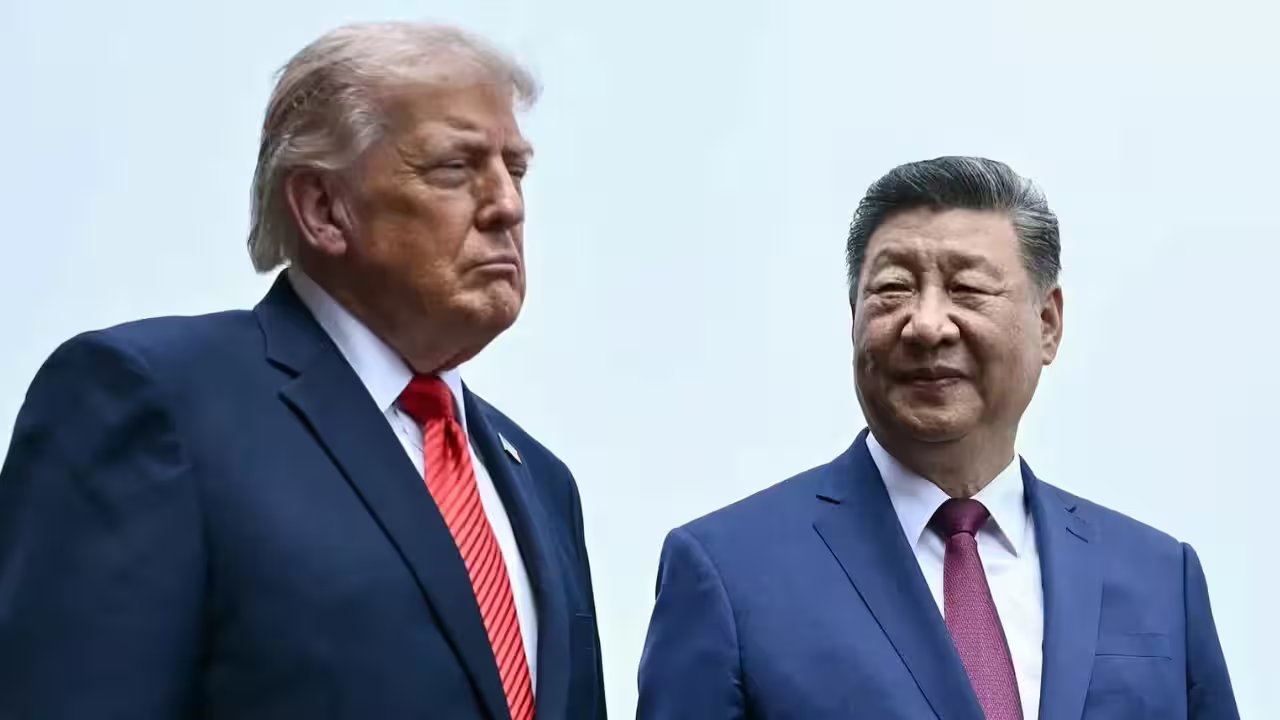
Beijing is preparing to weaponize the 1982 joint communique at this week's Washington summit, demanding that President Donald Trump freeze the $14 billion arms package for Taiwan. Three sources briefed on the negotiations told Reuters that China will argue Washington is violating its commitment to gradually reduce weapons sales to Taipei. This isn't just diplomatic posturing; it's a direct challenge to the core of US security architecture in the Pacific.
The $14 billion figure isn't symbolic. It represents a second package sitting on hold after Trump approved an $11 billion deal in December, the largest in history. Trump called the pending package a "very good negotiating chip" during their May meeting in Beijing. Now, with Xi in the room, that chip becomes the price of entry for broader economic cooperation.
Beijing's strategy relies on a technicality buried in Reagan-era diplomacy. While the 1982 communique promised a reduction in arms sales, a declassified memo revealed that Washington's commitment was "conditioned absolutely" on China resolving differences with Taiwan peacefully. Xi will likely highlight China's recent expansion of military exercises around the island—now a daily occurrence with live missile tests—as evidence that the US is failing its side of the bargain.
Washington is bracing for the lecture. Senate Republican Pete Ricketts and House China Committee Chairman John Moolenaar have both urged Trump to reject Beijing's demands, citing US law that mandates arming Taiwan for self-defense. Matt Pottinger, a former national security adviser, predicted Xi would "lecture" Trump at length, a dynamic that has played out in every previous summit.
The stakes extend beyond the strait. Sources indicate Beijing may offer cooperation on Iran in exchange for concessions on Taiwan. A White House official confirmed Trump will decide on the package "within a relatively short period," but the timing now hangs entirely on how much leverage Xi can extract from the Oval Office this week.