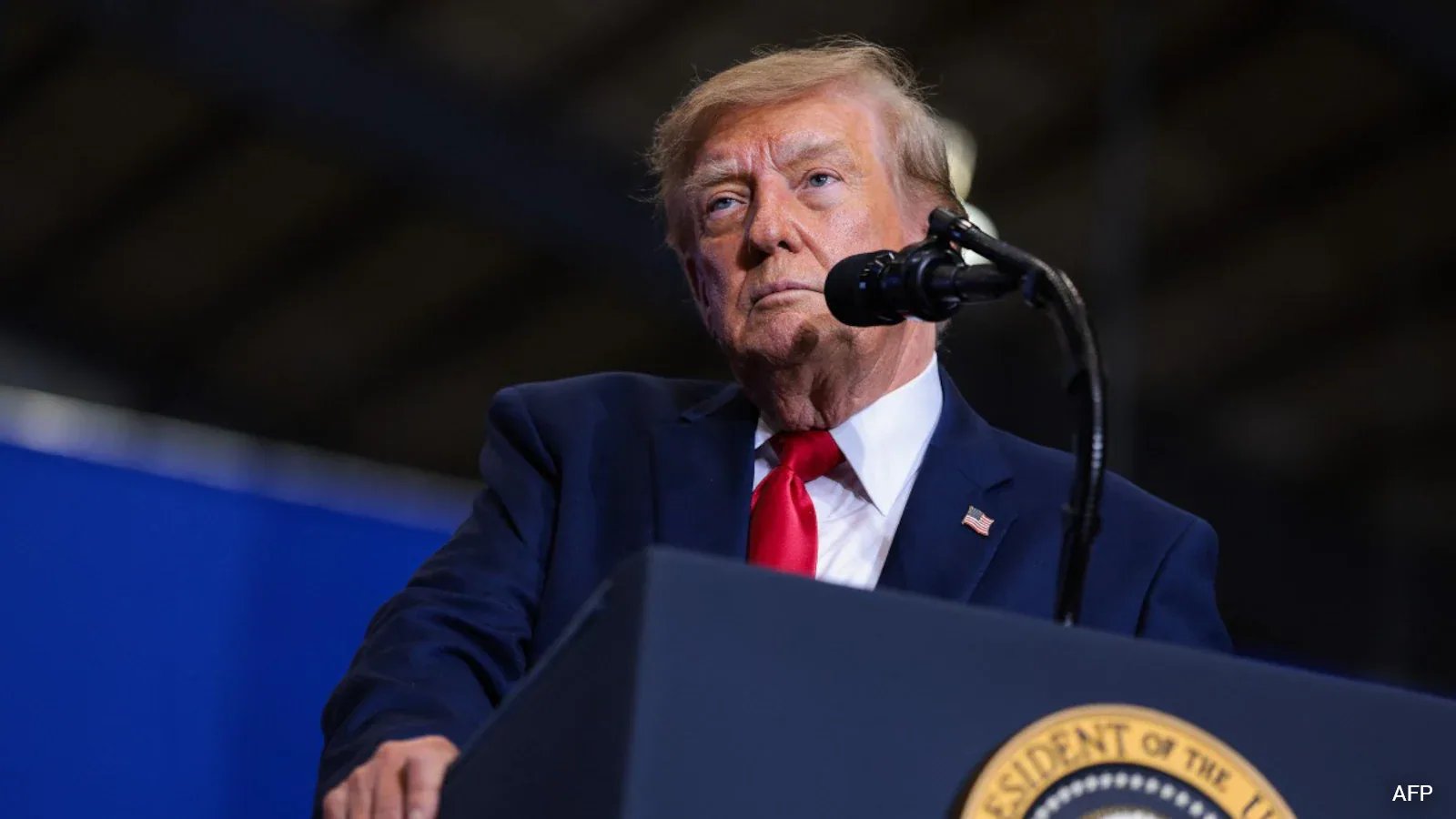
Trump’s statement came during a briefing in the Oval Office, coinciding with Secretary of State Marco Rubio’s visit to New Delhi, where he told the Indian press that the deal is "weeks, not months" away from closing.
The negotiations, which began in early 2024, have centred on reducing U.S. tariffs on Indian machinery and easing regulatory barriers for Indian IT services. Commerce Minister Piyush Goyal told a Milwaukee press conference that India seeks a 5% tariff cut on U.S. agricultural imports, a concession that could lift Indian farmers’ access to a $12‑billion market.
U.S. Trade Representative Jamieson Greer highlighted that the pact would grant American companies greater entry into India’s $200‑billion consumer electronics market, a move he said would "create thousands of jobs" in U.S. manufacturing hubs.
The next step is a signing ceremony scheduled for June 15 in Washington, followed by ratification by the U.S. Senate and the Indian Parliament. A swift endorsement would set the stage for immediate tariff reductions and new investment flows.
For small businesses, the change is tangible. An Ahmedabad textile exporter, Meera Patel, said she expects to export 30% more yarn to the U.S. once the new tariff regime takes effect, a boost she says could keep her family’s 12‑member enterprise afloat amid global supply‑chain shocks.