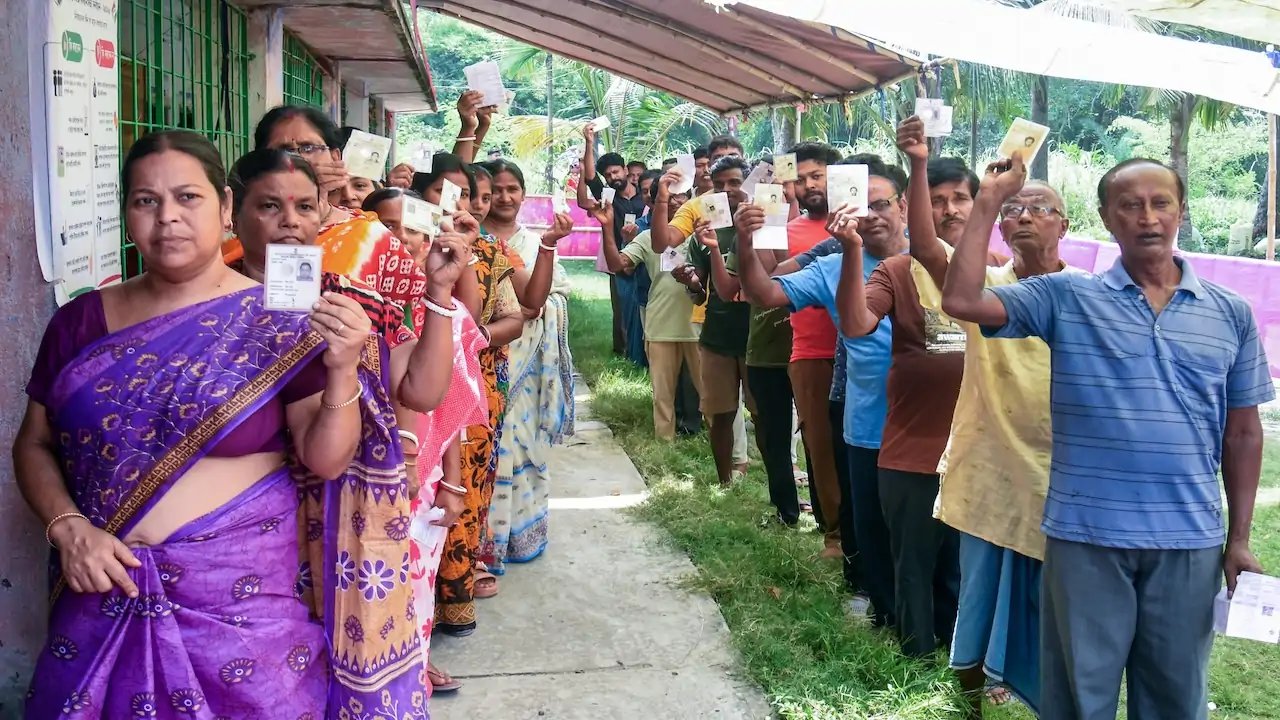
The Bombay High Court, in a Thursday ruling, directed the Election Commission of India to retain voters on the electoral roll after it had dismissed a Form 8 filed by Paresh Salgaonkar of Santa Cruz. The petition, lodged by a six‑member family that had recently moved to a new address within the same assembly segment, highlighted that the Commission’s software failed to locate their Electors Photo Identity Card, thereby rejecting the change of address application.
The court scrutinised the Commission’s reliance on the Special Intensive Revision (SIR) framework, arguing that the deletion of names from the roll should not be an automatic consequence of software errors. It noted that the ECI’s advocate, Gaurish Agni, questioned why the petitioners had not notified authorities earlier, to which the bench replied that citizens have the right to question why a SIR is imposed after 24 years of their residence. The judges emphasised that the primary mandate of the Election Commission is to ensure that all eligible voters can cast their ballots, not to penalise them for procedural lapses.
For the Salgaonkar family, the decision means that their names will remain on the voter list until a formal review is conducted. The bench warned that automated deletions risk disenfranchising hundreds of thousands of legitimate voters, a concern echoed by civil‑society groups who fear that many families will be left in a legal limbo without the chance to contest the removal.
The court will rehear the case on October 5, with the expectation that the Election Commission will revise its deletion protocols to keep pending applications in abeyance during a SIR. This ruling signals a judicial check on the Commission’s automated processes and could prompt a nationwide review of how voter rolls are updated and maintained. If the ECI fails to comply, it may face further legal challenges that could delay upcoming elections.