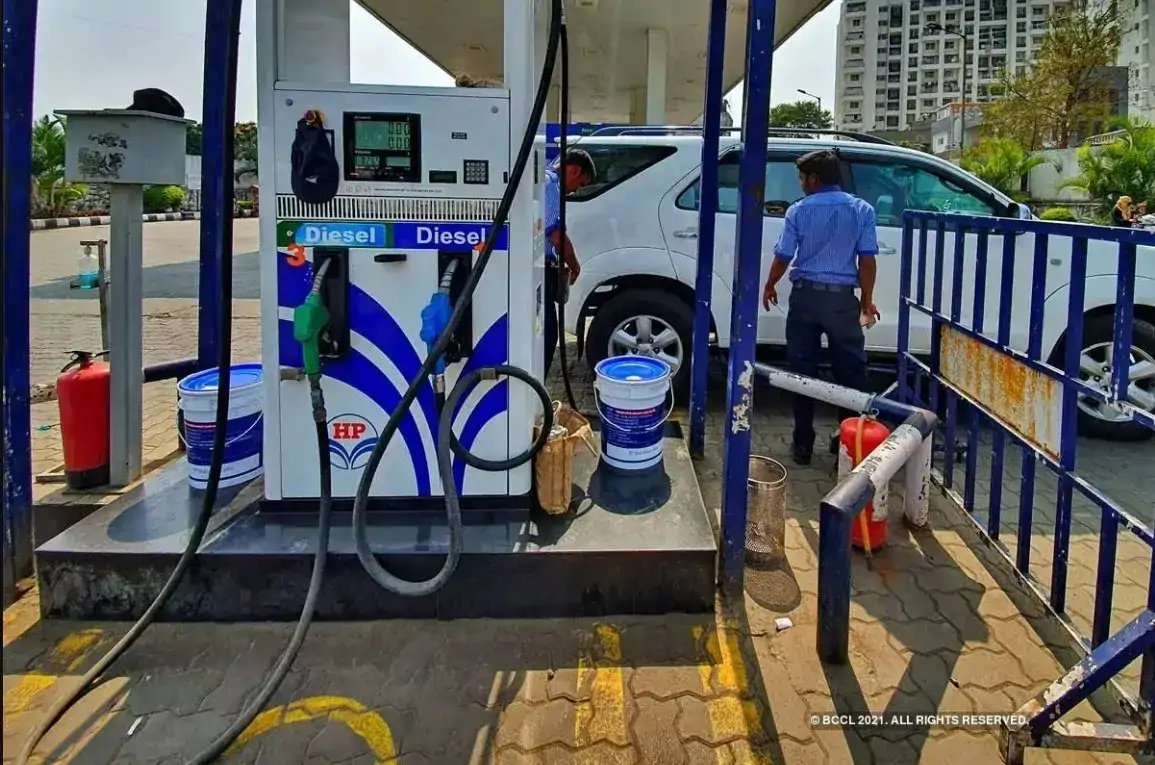
Kerala launched surprise inspections at petrol pumps across four districts on Monday after neighboring Karnataka flagged commercial fuel containing illegal ethanol concentrations as high as 31.2 percent.
Civil supplies teams fanned out across Thiruvananthapuram, Ernakulam, Kozhikode, and Kannur to collect random fuel samples directly from retail nozzles. State laboratories will test the samples and deliver forensic chemical results within 10 days. Pumps caught breaching the statutory 20 percent ethanol threshold face instant closure.
"In view of complaints being received from the public about vehicles being damaged and the apprehensions they have about the presence of more than permissible limits of ethanol in fuel, it is the government's responsibility to allay their fears," said Kerala Food and Civil Supplies Minister Anoop Jacob. "That is why the inspections have been ordered."
Anoop Jacob warned that any retail outlet dispensing fuel containing over 20 percent ethanol will be sealed immediately, with state authorities launching criminal prosecution against operators. Legal enforcement draws power from a 2014 state order issued under the Central Motor Spirit and High Speed Diesel (Regulation of Supply and Distribution and Prevention of Malpractices) Order, 2005, which empowers supply officers from taluk levels up to the Civil Supplies Commissioner to seize fuel stocks and inspect commercial storage tanks.
Kerala's crackdown follows an explosive disclosure from Karnataka Food and Civil Supplies Minister Rizwan Arshad, who revealed that government testing across Bengaluru, Kolar, Chikkaballapura, Bengaluru Rural, Ramanagara, Mangaluru, and Tumakuru uncovered ethanol blending reaching 31.2 percent—far exceeding the national E20 threshold. Karnataka officials subsequently demanded federal action against major oil marketing companies for damaging vehicle engines and defrauding motorists.
Public sector oil marketing companies pushed back sharply. The refiners rejected Karnataka's findings, insisting that all commercial supplies adhere strictly to IS 17021—the Bureau of Indian Standards benchmark governing E20 motor gasoline. The companies also questioned the sampling methodology used during regional testing.
Supply inspectors across Thiruvananthapuram, Ernakulam, Kozhikode, and Kannur are scheduled to conclude the first batch of retail sample collections by the weekend, with the food and civil supplies ministry set to review lab findings before deciding on prosecution and pump closures.