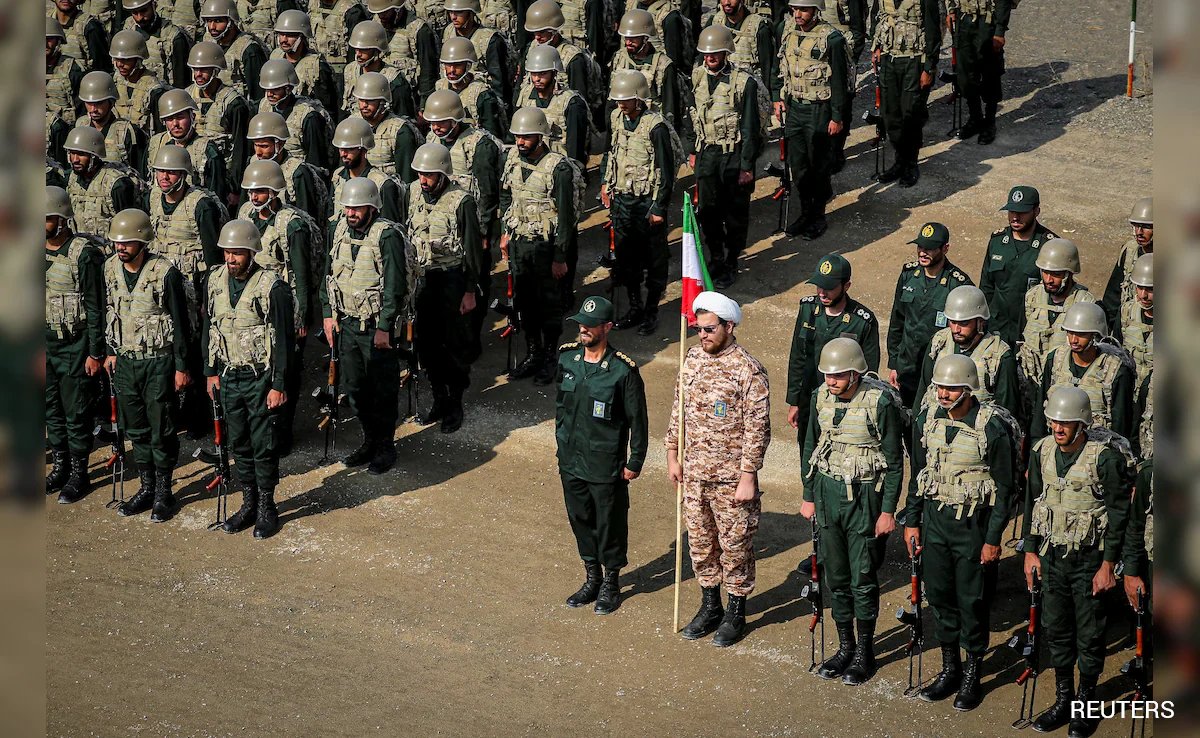
PARIS — France has formally accused Iran's Islamic Revolutionary Guard Corps of launching a sprawling, unprecedented cyber sabotage campaign that crippled cooling systems across 700 French supermarkets.
The strike hit on October 11 and 12. Hackers hijacked industrial refrigeration systems, pushed internal temperatures upward, and forced retail chains to trash massive inventories of spoiled, perishable food. It was calculated economic sabotage. Foreign Minister Jean-Noël Barrot revealed the attribution on Monday during the G7 foreign ministers' summit in Paris, pledging to push sweeping punitive sanctions across the European Union.
"This attack is unprecedented in both its scale and its level of aggression," Barrot said. "It marks the first large-scale cyberattack aimed at sabotage on our national territory, and it constitutes a major attack on the nation's interests and the security of the French people."
Paris prosecutor Laure Beccuau confirmed that French judicial authorities opened a formal investigation targeting the commander of "Shahid Kaveh" and two of his deputies. Investigators identified the shadowy cell as an offensive cyber unit tied directly to the Electronic and Cyber Centre of the Islamic Revolutionary Guard Corps.
Police investigators traced the intrusions directly back to terminals inside Iran. The attackers exploited exposed web-management interfaces, seizing administrative control of supermarket chilling machinery to trigger indefinite, continuous defrost cycles. To conceal the damage until the stock had completely rotted, the hackers simultaneously muted the digital sensors programmed to trigger alarms whenever internal temperatures breached safe storage limits.
Beccuau noted that the attackers left distinctive digital fingerprints, including the active use of the Persian language and specific Iranian internet protocols. The three IRGC cyber commanders face charges under French criminal statutes governing state-backed infrastructure sabotage.
The disruption extends beyond French borders. Grocery chains in at least nine other European nations suffered similar intrusions targeting commercial cooling networks on November 2, compounding anxiety across capitals already grappling with cyber threats and geopolitical tensions.
Paris moved swiftly on the diplomatic front. The Foreign Ministry summoned Iran's ambassador to Paris to lodge a formal, high-level protest over what officials termed an unprovoked assault on domestic food security.
European Union foreign policy chief Kaja Kallas threw Brussels' weight behind Paris immediately following the announcement, declaring that the bloc's collective response must be swift and unyielding. French diplomats are now drafting a sanctions package targeting IRGC cyber command personnel, with formal European Council deliberations expected in the coming days.