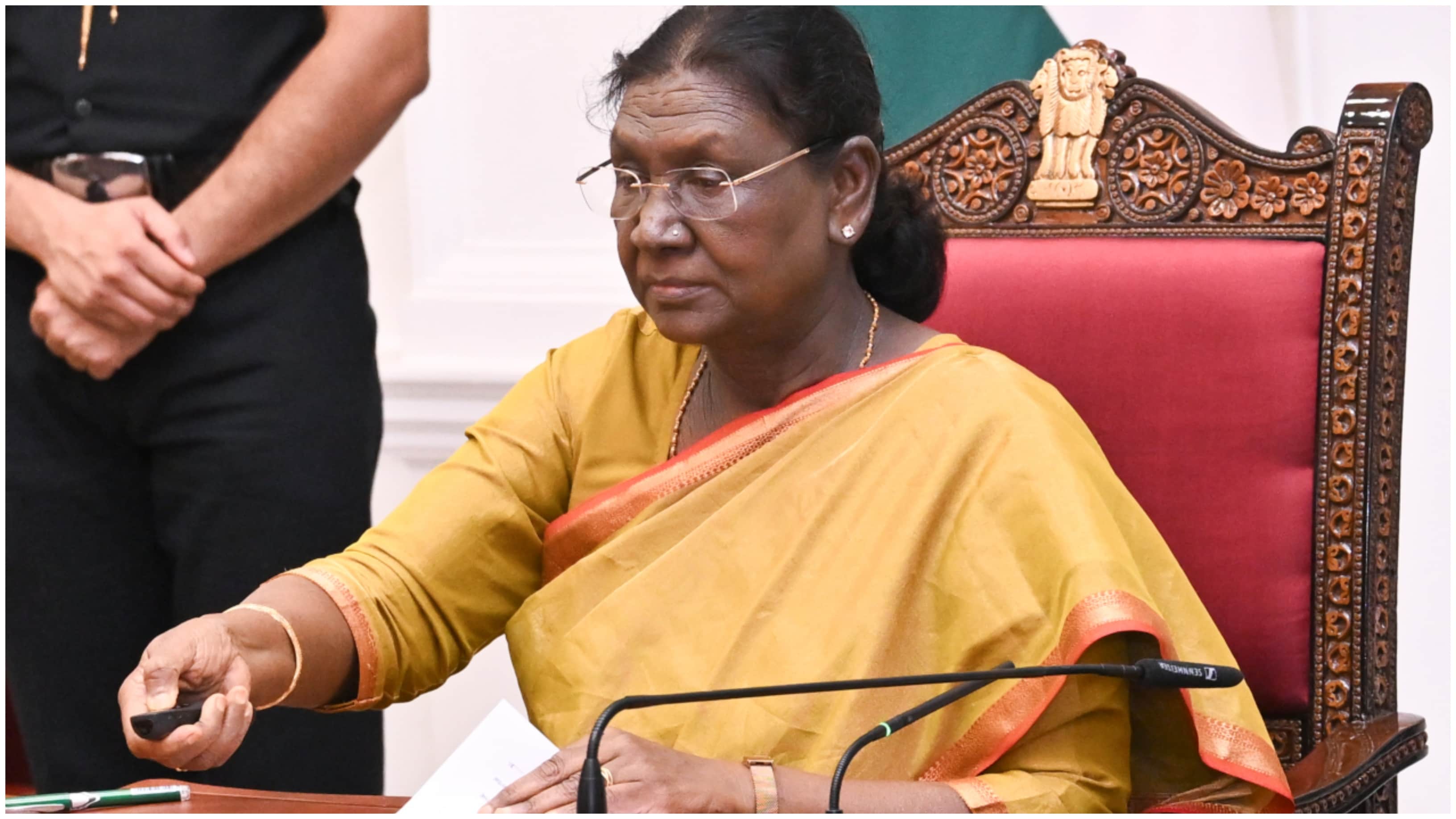
Dharmendra Pradhan’s Gujarat government secured the final constitutional hurdle on Monday, as the President signed off on the state’s Uniform Civil Code. This move places Gujarat immediately behind Uttarakhand, which rolled out its own version of the code in 2025. The legislation, passed by the BJP-dominated assembly in March, fundamentally restructures how civil matters like marriage, divorce, and inheritance are handled across the state.
The law doesn't just tidy up paperwork; it overhauls personal status. Under the new regime, polygamy is formally banned, and monogamy becomes a strict condition for marriage. Couples now face a hard deadline: marriages solemnized in Gujarat or involving a resident must be registered within sixty days. Miss that window, and you’re looking at monetary penalties. For those in live-in relationships, the state introduces a formal declaration process, ensuring any children born from such unions are legally recognized as legitimate.
Critics and legal experts alike are watching the exclusion clauses closely. The Act explicitly spares Scheduled Tribes, preserving their customary rights under the Constitution. This carve-out is a significant legal distinction, ensuring that the drive for uniformity doesn't erase indigenous legal traditions. Furthermore, the jurisdiction extends to Gujarat residents living outside the state, a provision that could spark complex interstate legal disputes in the coming months.
The administrative machinery is already shifting gears. The state government is now drafting procedural rules to ensure smooth enforcement across all 33 districts. While the Act is law, it won’t take effect until a specific date is notified. Until then, the old personal laws technically remain in force, creating a transitional period where two legal realities coexist. Assam, which has passed a similar bill, is still waiting in the wings for presidential approval. The next domino to fall will likely be in the northeastern state, setting the stage for a broader national conversation on civil law uniformity.