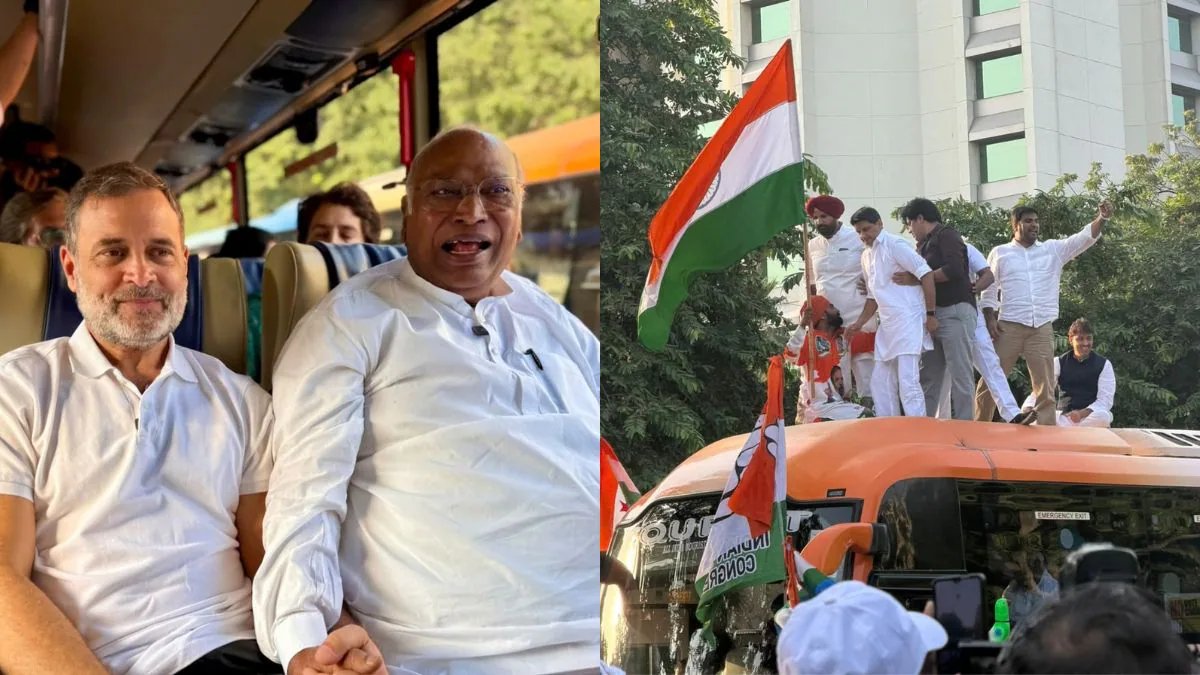
Mallikarjun Kharge, the Congress chief, stood at the head of the march at Jantar Mantar, flanked by partners from the INDIA alliance. The gathering came just 24 hours after a tense standoff near the Election Commission office ended in the forceful removal of opposition leaders. Kharge addressed the crowd with a blunt ultimatum. “All INDIA alliance partners will protest against Gyanesh Kumar at Jantar Mantar today,” he stated. “Until our demand is met, we will continue to protest.”
The core grievance remains the conduct of Chief Election Commissioner Gyanesh Kumar. The opposition insists on his resignation, citing the ongoing special intensive revision of electoral rolls as a threat to the integrity of the electoral process. They argue the revision is being used to manipulate voter lists. This is not a new complaint. It is a deepening crisis that has turned the ECI office into a flashpoint for political confrontation.
The previous day’s events set the stage for today’s escalation. On Tuesday, Rahul Gandhi, the Lok Sabha’s Leader of Opposition, and Priyanka Gandhi Vadra, among other MPs, attempted to enter the Akashvani Bhawan. The building sits barely 200 metres from the poll body’s headquarters. They sought a meeting with the Election Commissioners. The request was denied. A sit-in began around noon. By 8 pm, a large police contingent had moved in. Officers dragged Gandhi and his colleagues from the premises, loading them into vans and buses. The MPs resisted. They were held for about two hours before being released after 10 pm.
The political temperature in Delhi is rising. The INDIA bloc has no indication of backing down. Kharge’s declaration that protests will continue “until the demand is met” signals a prolonged campaign of pressure. The Election Commission has not yet issued a formal response to the resignation demands. The next move could come from the CEC’s office or from the courts, where legal challenges to the roll revision are likely to be filed. For now, the streets of Delhi remain the arena.