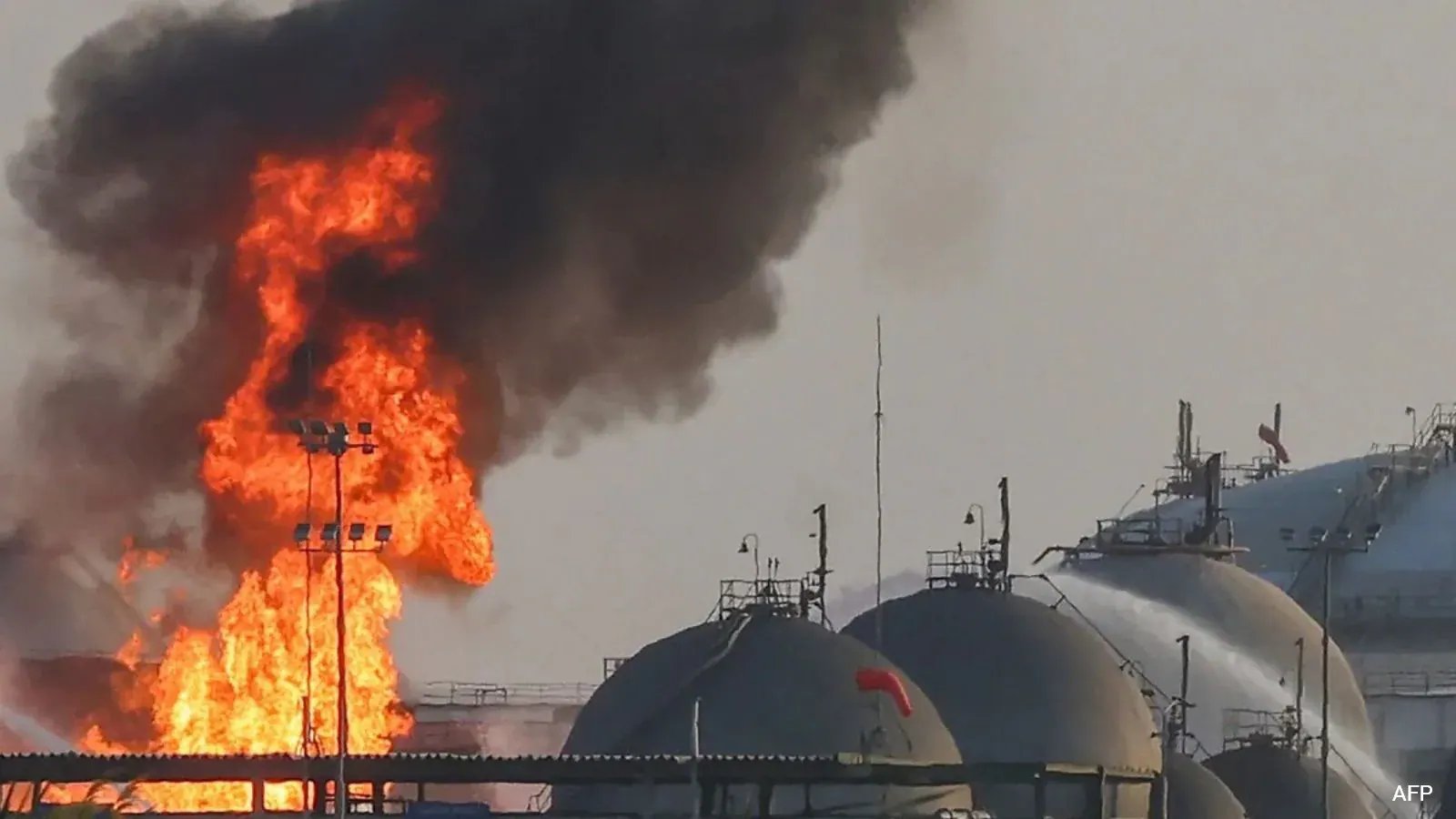
Houthis launched 24 missile and drone strikes on Saudi airfields, oil plants, and cities, injuring about 300 residents and exposing gaps in Riyadh's air‑defense network.
The attacks followed a July maritime blockade that halted Saudi vessels in the Red Sea, a move that pre‑empted a broader confrontation. Earlier this month, a single strike on Khamis Mushait, Najran, Jizan and Abha injured 70 people and set oil refineries ablaze.
Strategic coastal areas near the Bab al‑Mandab have now fallen under Houthi control, covering over 15,000 square kilometres of Yemen and threatening the world's vital shipping lanes.
Saudi Arabia has responded with air raids targeting Houthi positions along the coast, while the internationally recognised Yemeni government claims to have regained territory in several provinces. "Osamah Al‑Rawhani warned that the Houthis' military buildup requires Saudi commitment to sustain a long war," said the co‑executive director of the Sanaa Centre for Strategic Studies.
The escalating violence raises alarms for global oil markets, as Houthi drones have already disrupted supply chains and Saudi energy infrastructure. Analysts predict that continued attacks could ripple through the Red Sea and the Strait of Hormuz, tightening supply lines.
Saudi officials say they will upgrade air‑defense systems and are preparing a counteroffensive aimed at reclaiming the Red Sea coast by mid‑November, according to the Royal Saudi Defence Ministry.