Car buyers looking at European badges will soon see the punitive import barrier crumble. For decades, triple-digit customs duties pushed imported luxury sedans and performance crossovers beyond the reach of most buyers. That dynamic is about to shift. Under the concluded India-EU Free Trade Agreement, European automakers will test consumer appetite across the country with lower-duty imports before setting up local factory floors.
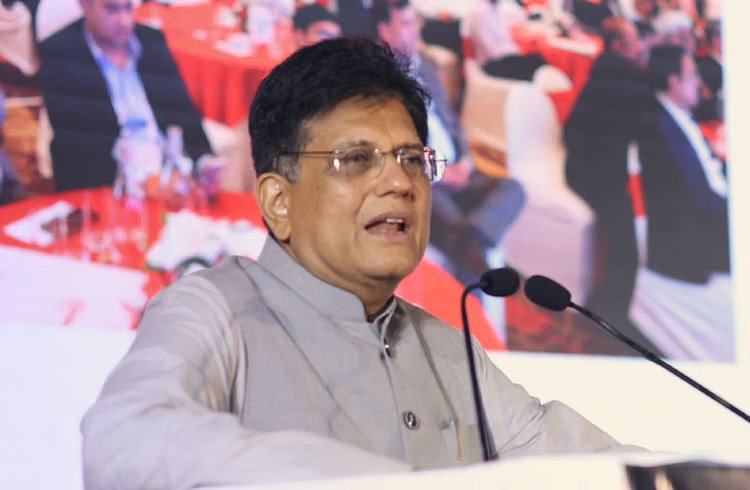
Union Commerce and Industry Minister Piyush Goyal laid out the roadmap at the Curtain Raiser of the Bharat Mobility Global Expo 2027 in New Delhi. Manufacturing in India gives European brands scale, direct access to a voracious domestic car market, and an export springboard to counter escalating factory costs back home.
European manufacturers, which have traditionally focused on international markets, are increasingly recognising the challenge of competing globally given Europe’s manufacturing costs and regulatory burden," Goyal said, pointing to the mutual upside of assembling vehicles in India.
High manufacturing overheads and tightening compliance across Europe have squeezed operating margins. India offers an escape valve.
The math behind the trade pact resets the pricing playbook for European carmakers. After formal negotiations concluded on January 27, 2026, both sides signed off on a framework that systematically winds down import tariffs from a punitive 110% to as low as 10%.
Import volumes will not enter unchecked. The reduced duties apply strictly within an annual quota capped at 250,000 vehicles. That window lets European automakers ship built-up models in higher price bands without incurring the extortionate customs markups that currently double a sticker price at the port.
| Agreement Parameter | Policy Term & Threshold |
|---|---|
| Peak Import Tariff Reduction | Drops from 110% down to 10% |
| Annual Concession Quota | 250,000 vehicles |
| Safeguard Mechanism Duration | Up to 4 years per invocation |
| Safeguard Transition Period | 22 years from implementation |
| Domestic Volume Target | 10 million passenger vehicles annually |
Once European original equipment manufacturers establish clear volume for specific nameplates, domestic production kicks in. That transition directly pulls in Indian auto-component manufacturers, software startups, raw steel producers, and tyre makers. Goyal urged domestic suppliers to lock down these supply chains before foreign competitors snap them up.
Market Context: A cut from 110% to 10% customs duties removes the biggest hurdle premium European carmakers face in India. Instead of committing hundreds of millions of dollars blindly to build factories for untested nameplates, carmakers can seed the market with fully built imports at rational price points, assess buyer response, and then trigger local assembly.
Automakers can no longer dismiss the sheer scale of Indian showrooms. Goyal pointed directly to retail numbers to prove the point: domestic dealerships moved one million cars during the Navratri festive window alone, backed by another 70,000 units sold during the two days of Dhanteras.
The volume is already drawing capital. Several Japanese carmakers are weighing billion-dollar investments to convert their Indian facilities into global export bases. Goyal argued that the industry must aim higher, setting a baseline target of 10 million passenger vehicles sold domestically each year, with overseas shipments stacked on top.
And broader market openings are imminent. The 27-nation European Union bloc should open its doors to Indian goods at zero duty by March or April, while Indian negotiators pursue parallel trade pacts with seven to eight other countries.
Domestic automakers worried about an unfettered flood of foreign metal get concrete legal protections. The pact enforces strict rules of origin with high domestic value-addition thresholds, preventing third-party countries from routing cheap kits through Europe to dodge Indian customs.
India also retained a bilateral safeguard mechanism. If a sudden surge in tariff-slashed vehicle imports threatens domestic manufacturers, the government can immediately hike duties back up to most-favoured-nation rates. Officials can run that defensive safeguard for up to four years, with the safety net remaining active across a 22-year transition window.
The rollout now sits with trade lawyers. The Ministry of External Affairs confirmed that legal scrubbing of the agreed text is underway, with no official signing date locked in yet. Once internal legal procedures clear in New Delhi and Brussels, the agreement will formally enter into force on the first day of the second month following notification exchanges.