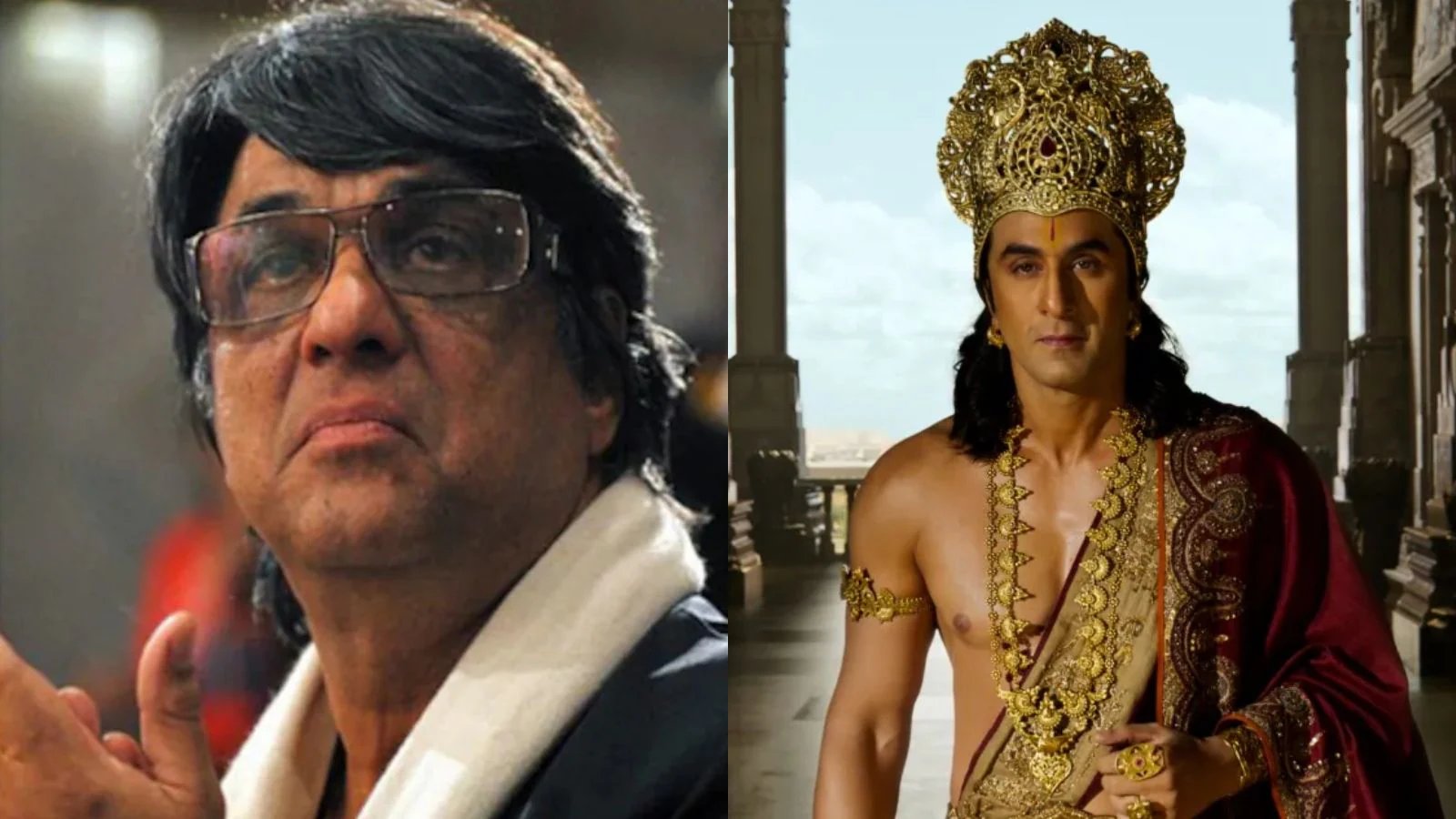
Mukesh Khanna refuses to buy a ticket.
The veteran actor, etched into national memory as Bhishma Pitamah in B.R. Chopra’s landmark Mahabharat, has fired a scathing salvo at Nitesh Tiwari’s big-screen spectacle, Ramayana. The film arrived in theatres on November 5. It carries heavy star firepower—Ranbir Kapoor as Lord Ram, Yash as Ravana, and Sai Pallavi as Sita. Yet Khanna wants no part of it. Speaking in a personal vlog, the actor confirmed he will skip the theatrical run entirely, driven away by promotional clips, audience reactions, and an industry discourse consumed by money.
To Khanna, the entire conversation surrounding the film has gone off the rails. Rather than debating fidelity to scripture, industry chatter has locked onto whether the production can recover a budget pegged anywhere between ₹400 crore and ₹4,000 crore. "The issue has become about earnings," Khanna said. "Because the issue has been made into: we have put in 400 crore or who knows 4,000 crore, now how do we bring that back? The concern no longer seems to be whether the story of the Ramayan is being narrated accurately or not."
Khanna anchored his critique in his youth. As a boy of 10 or 12 living near Marine Drive, he spent autumn nights sitting alone at Cross Maidan, watching neighbourhood troupes staged traditional Ramlilas. That grassroots devotion, he argued, stands in stark contrast to contemporary Mumbai directors who treat ancient epics as raw material for visual excess. In his vlog, Khanna took direct aim at modern showrunners, remarking that filmmakers in Hindi cinema now carry themselves as if they stand two steps ahead of Maharishi Valmiki and Vyas Muni.
Yet the actor readily admitted a glaring contradiction: he has not actually watched Tiwari's film. At a recent press conference, Khanna conceded that skipping the screening technically stripped him of the right to review it. But as public debate intensified following the November 5 premiere, Khanna reversed course. He argued that several days of audience reviews and the makers' own promotional material gave him more than enough evidence to take a stand. Among his sharpest objections was the film's creative liberty with character traits, pushing back firmly against revisionist touches such as framing Sita as an action-ready warrior when traditional lore never cast her as a fighter.
Box-office numbers will settle the commercial fate of Tiwari's production in the weeks ahead. But Khanna's blunt refusal to set foot in a theatre underscores an enduring battle line in Indian cinema: whether modern studio scale can ever satisfy cultural purists who demand reverence over spectacle.