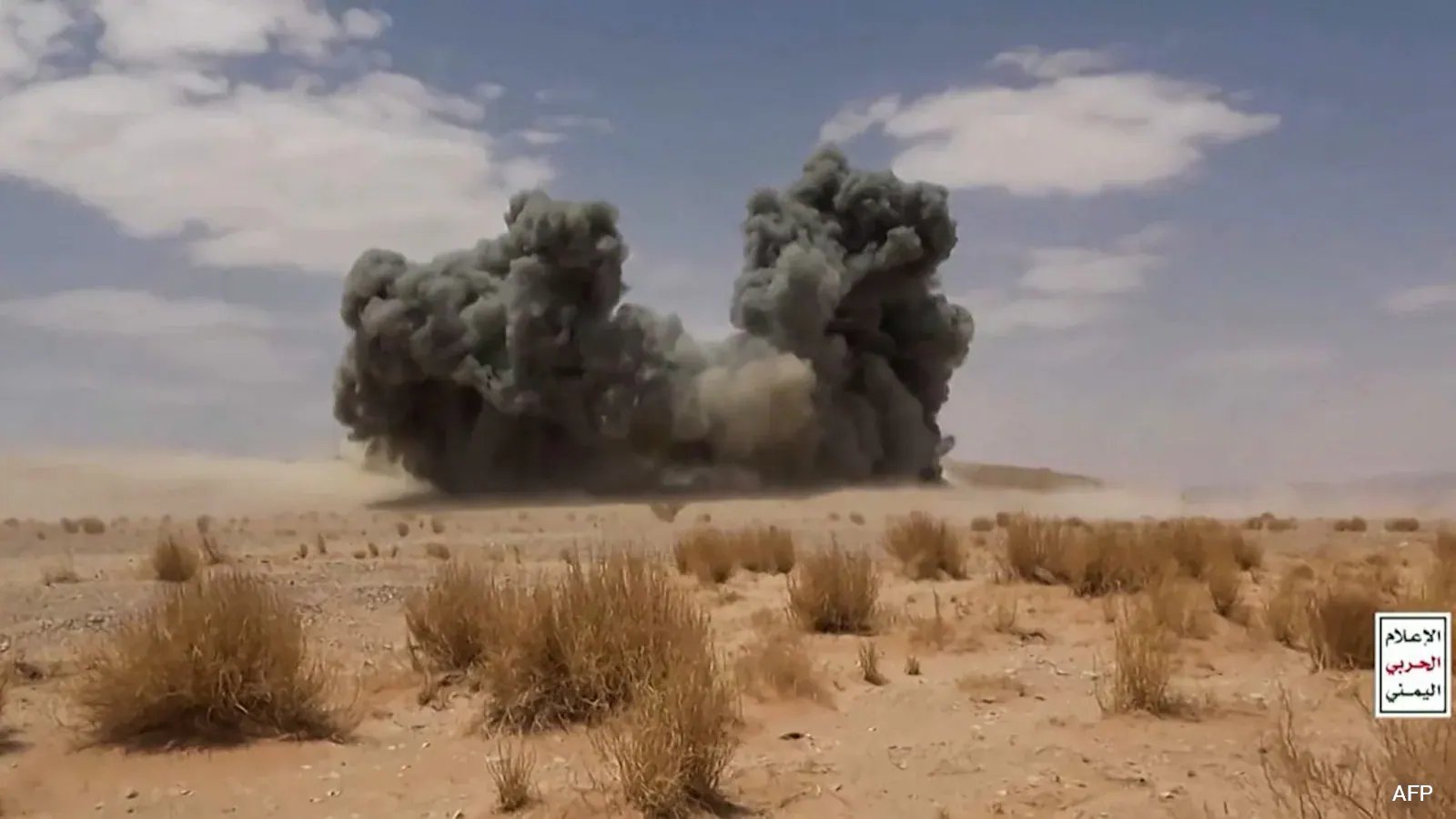
Esmaeil Baqaei, the Iranian foreign ministry spokesman, delivered a blunt rejection of Riyadh's latest diplomatic accusation on Friday. "The Islamic Republic of Iran rejects any claim that Iran has played a role in Yemeni (Houthi) operations," he stated, effectively shutting down the Saudi narrative that Tehran was the mastermind behind the recent escalation. This denial comes just days after a devastating strike on Riyadh's international airport left 13 people dead, a casualty count that forced the Saudi government to publicly blame Iranian direction.
Yet, the denial isn't just a diplomatic brush-off; it's a strategic pivot. Baqaei emphasized that Tehran has "always been ready to use its good offices to help end the hostilities" and remains prepared to deploy "all its capacities" if both sides request it. By positioning itself as a potential mediator rather than a belligerent, Iran seeks to distance its domestic political capital from the escalating violence in the Red Sea and the Arabian Peninsula. The logic is simple: if they are the mediator, they cannot be the perpetrator.
The tension runs deep because the Houthis are not a random rogue actor. They are a core component of Iran's so-called "Axis of Resistance," a coalition that also includes Lebanon's Hezbollah and various armed groups in Iraq, all united by a common opposition to Israel. Tehran has consistently maintained that the Houthis operate according to their own national interests, a claim that Riyadh finds increasingly hard to believe given the precision and scale of recent attacks on oil facilities and shipping lanes.
The stakes are rising fast. With vessels in the Red Sea under constant threat and critical Saudi infrastructure targeted, the window for diplomatic de-escalation is narrowing. While Iran offers a bridge, the trust deficit between Tehran and Riyadh remains vast. The next move likely rests with Saudi Arabia: will it accept Iranian mediation, or will it continue to pursue a harder line against the Houthis, potentially drawing Iran into a more direct confrontation?