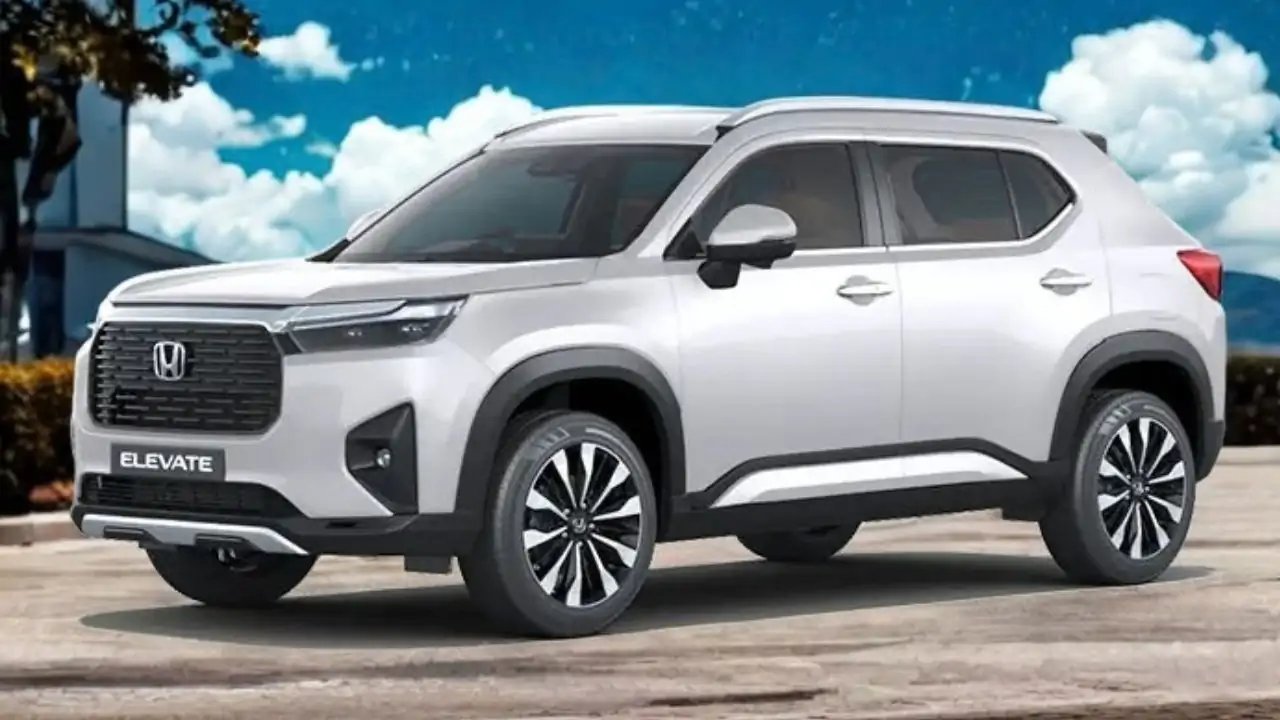
The Elevate Facelift hits showrooms on October 6, 2026, starting at ₹11.81 lakh ex‑showroom. Under the hood sits the unchanged 1.5‑litre naturally aspirated unit that churns out 119 hp and 145 Nm, giving it enough punch to stay competitive with the Tata Sierra and Kia Seltos.
The interior gets a noticeable lift: a larger 10‑inch touchscreen, digital instrument cluster, and ventilated front seats that bring a premium feel to a budget price point. A more comprehensive ADAS package, including automatic emergency braking and lane‑keep assist, positions the SUV as a tech‑savvy choice for safety‑conscious families.
Styling changes lean toward a sportier stance – a revised front grille, sharper headlights, and a sculpted bonnet give the Elevate a more assertive curb appeal. The updated looks are meant to make the vehicle stand out against the Hyundai Creta and Maruti Suzuki Grand Vitara while keeping the body language familiar to existing fans.
While the Elevate is the star, October 2026 will also welcome the Audi Q3, Volvo EX90, and Toyota Glanza facelift. The Q3 will arrive mid‑month priced at ₹55–60 lakh, the Volvo EX90 will be a 1.4–1.5 crore all‑electric SUV, and the Glanza will be nudged up to ₹6.73 lakh. These launches give buyers a spectrum from affordable compact SUVs to premium electric powerhouses.
Policy headlines this month: the Indian government’s new EV incentive scheme will see a reduction in import duties for fully electric vehicles, but the Elevate remains a petrol model, so its cost structure is largely unaffected. However, the rising fuel prices and a shift toward electrification could make the Elevate a more attractive buy for those seeking a cheaper, low‑maintenance alternative.
Looking ahead, the Elevate will be available in all major metros by mid‑October, with pre‑orders starting immediately on the official website. Keep an eye on the price adjustments post‑launch and the availability of the optional 1.5‑L turbo‑charged variant that some distributors have hinted about.