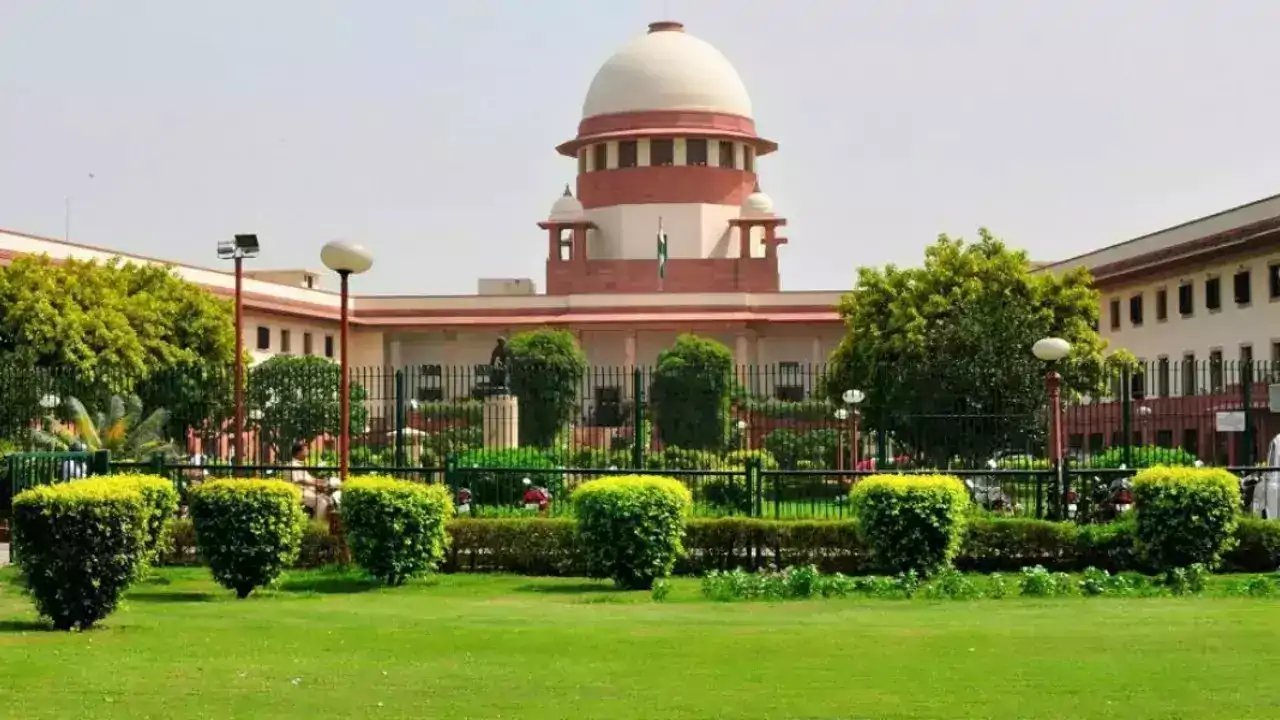
CJI N. N. Kant, presiding over the suo motu hearing on digital arrest scams, asked why educated citizens are still being duped, citing a spate of recent frauds that target ordinary Indians. It's baffling. The court noted that despite awareness campaigns, court orders and media coverage, people keep falling for fake arrest notices posted online or sent via WhatsApp, often claiming they are from the Supreme Court or high courts. Even now. In the hearing, the bench also directed that the RBI’s upcoming anti‑cyber‑fraud regulations must include a provision obligating banks and other financial institutions to compensate victims for any loss caused by fraud due to the institution’s due‑diligence failure. Critical. The amicus brief, filed by a senior lawyer, argued that the fear of arrest drives the scams and that some psychologists describe it as a form of "hypnosis", pointing out that people keep falling for such tricks even after repeated warnings. Disturbing. The court reminded that citizens can verify the authenticity of any court order by checking the official court website, and urged the public to be more skeptical of unsolicited arrest notices. Be vigilant. The next step will be the RBI's review of the draft rules, which is expected to be finalized by the end of November, after which the court will decide whether to approve the notification. Stay tuned.