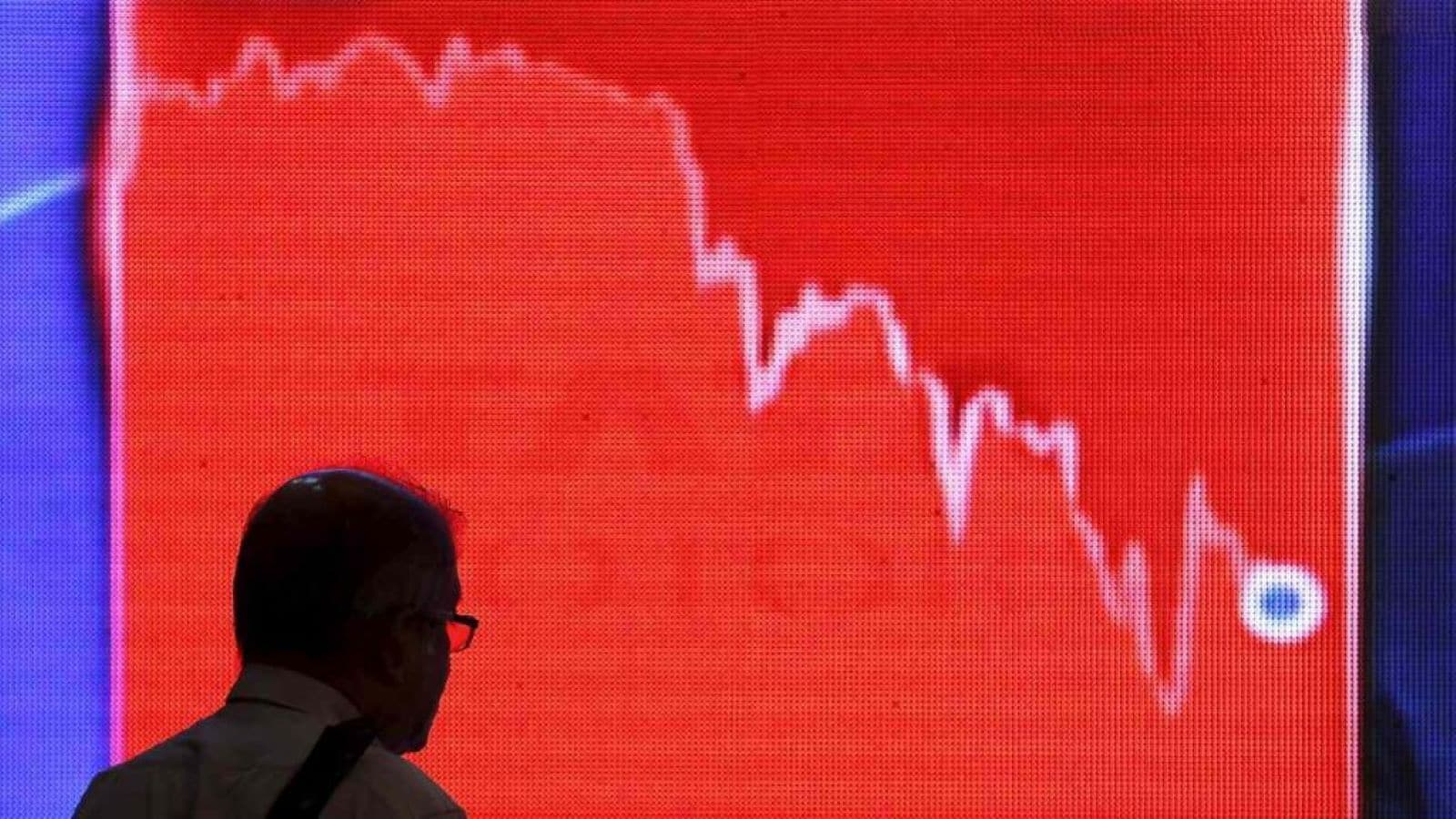
PI Industries Ltd. suffered a savage selloff on Thursday, November 5. Shares of the agrochemical maker plunged 15% to ₹1,858.9 in Mumbai trading after second-quarter net profit collapsed 71% year-on-year to ₹118 crore. The drop wiped out months of price consolidation and extended the stock's year-to-date slide to 43%.
The trigger was an earnings report that missed operational expectations across every headline metric. Revenue for the quarter ended September 30 fell 9% to ₹1,702 crore from ₹1,872 crore a year earlier. Operating profit suffered an even sharper beating. Earnings before interest, taxes, depreciation, and amortisation (EBITDA) tumbled 57% to ₹232 crore from ₹541 crore. That crushed operating margins down to 13.7%—less than half the 28.9% printed in the corresponding period last fiscal.
| Financial Metric | Q2 FY27 | Q2 FY26 | YoY Change |
|---|---|---|---|
| Revenue | ₹1,702 crore | ₹1,872 crore | -9.0% |
| EBITDA | ₹232 crore | ₹541 crore | -57.1% |
| EBITDA Margin | 13.7% | 28.9% | -1,520 bps |
| Net Profit | ₹118 crore | ₹407 crore | -71.0% |
| Gross Margin | 49.0% | 57.0% | -800 bps |
Global demand dried up. Agrochemical revenue fell 10% year-on-year and slipped 1.3% sequentially, hammered by an 18% decline in agrochemical exports. While domestic agrochemical sales provided a rare buffer by jumping 19%, it was nowhere near enough to offset the export vacuum. Gross margins surrendered 800 basis points, tumbling to 49% from 57%. Raw material expenses climbed 5%, and PI Industries admitted in its regulatory disclosures that it could not pass along these higher input costs to international buyers amidst intense global price competition. Higher overhead costs compounded the damage, driven by elevated energy tariffs alongside continuous capital spending on research, development, and new platforms.
Pharmaceuticals told a very different story. Revenue from the pharma division climbed 19.7% year-on-year and surged 40% on a sequential basis. Health Sciences business revenue grew 20% following the start of commercial good manufacturing practice production for Galidesivir API. Global biologicals revenue rocketed over 250%, while domestic biologicals climbed more than 45%. But these newer businesses still lack the absolute scale required to balance out the core crop protection export engine.
For the first half of FY27, revenue stands at ₹3,404 crore, down 9.8% year-on-year. That run rate directly threatens management's earlier guidance of single-digit top-line growth for the full fiscal year. The executive team maintained that momentum will recover in the second half through firmer crop prices, biological sales expansion, and the commercial rollout of more than five new products. On Pioxazon, leadership signaled caution, electing to establish farmer confidence and field performance before accelerating commercial distribution.