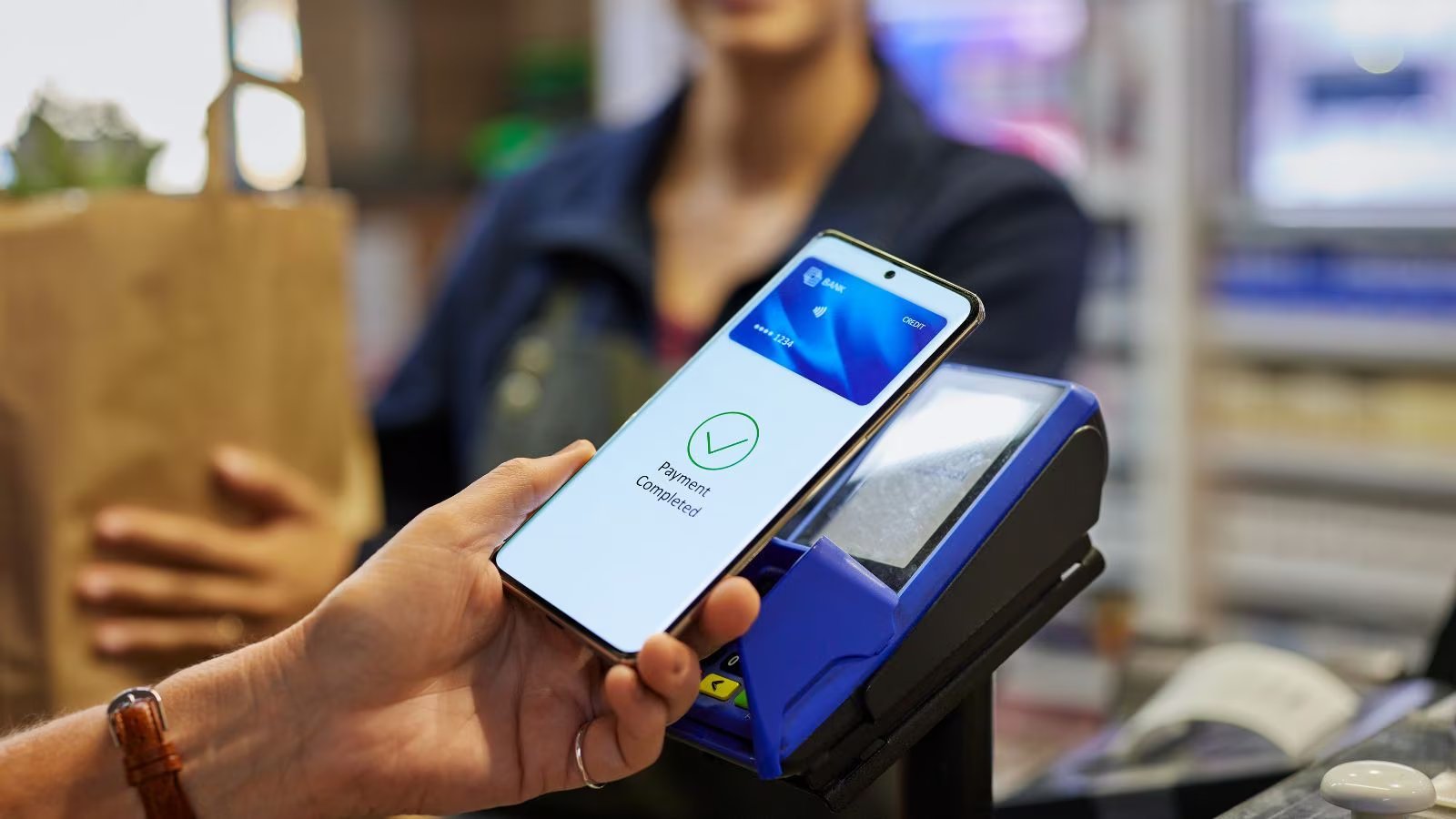
The 0.4% merchant discount rate (MDR) on person-to-merchant UPI transactions above ₹2,000 was set to hit the books on October 15. But that deadline is wobbling. Sources indicate NPCI is actively weighing a request to defer the rollout by three months, potentially pushing the effective date to January 2027. The decision isn't just NPCI’s; it’s being weighed alongside the Finance Ministry, with a final call expected within days.
Why the hesitation? It’s the calendar. October through December is the highest-volume trading period in India. Merchant associations and traders have flagged that introducing a fee structure right in the middle of festive sales will squeeze margins for small retailers and MSMEs. The argument is simple: you don’t raise transaction costs when volumes are at their peak. These groups aren’t just asking for a delay; they’ve also pushed for a higher exemption threshold and a phased implementation model. The UPI Steering Committee recently reviewed these concerns, signaling that industry feedback is now central to the policy discussion.
The math behind the proposed fee is specific. Under the current draft structure, any UPI payment over ₹2,000 incurs a 0.4% charge. For high-value transactions of ₹75,000 and above, the MDR caps at ₹300. Certain categories face a flat ₹5 rate. For a retailer processing heavy footfall during Diwali, even a small percentage fee adds up quickly across thousands of transactions. This is why the deferment request is gaining traction—it’s not about avoiding fees, but about timing.
NPCI has not confirmed the delay. The body is expected to take a formal position in the coming days, with ongoing discussions with the Finance Ministry shaping the final timeline. For market watchers, this isn’t just a regulatory technicality. It impacts the operating cost models of digital-first retailers, payment aggregators, and fintechs that rely on UPI volume. A delay gives businesses a buffer to adjust pricing or negotiate better terms before the fees go live. The next few days will determine whether the festive season remains a no-cost zone for digital payments or if the new fee structure arrives on schedule.