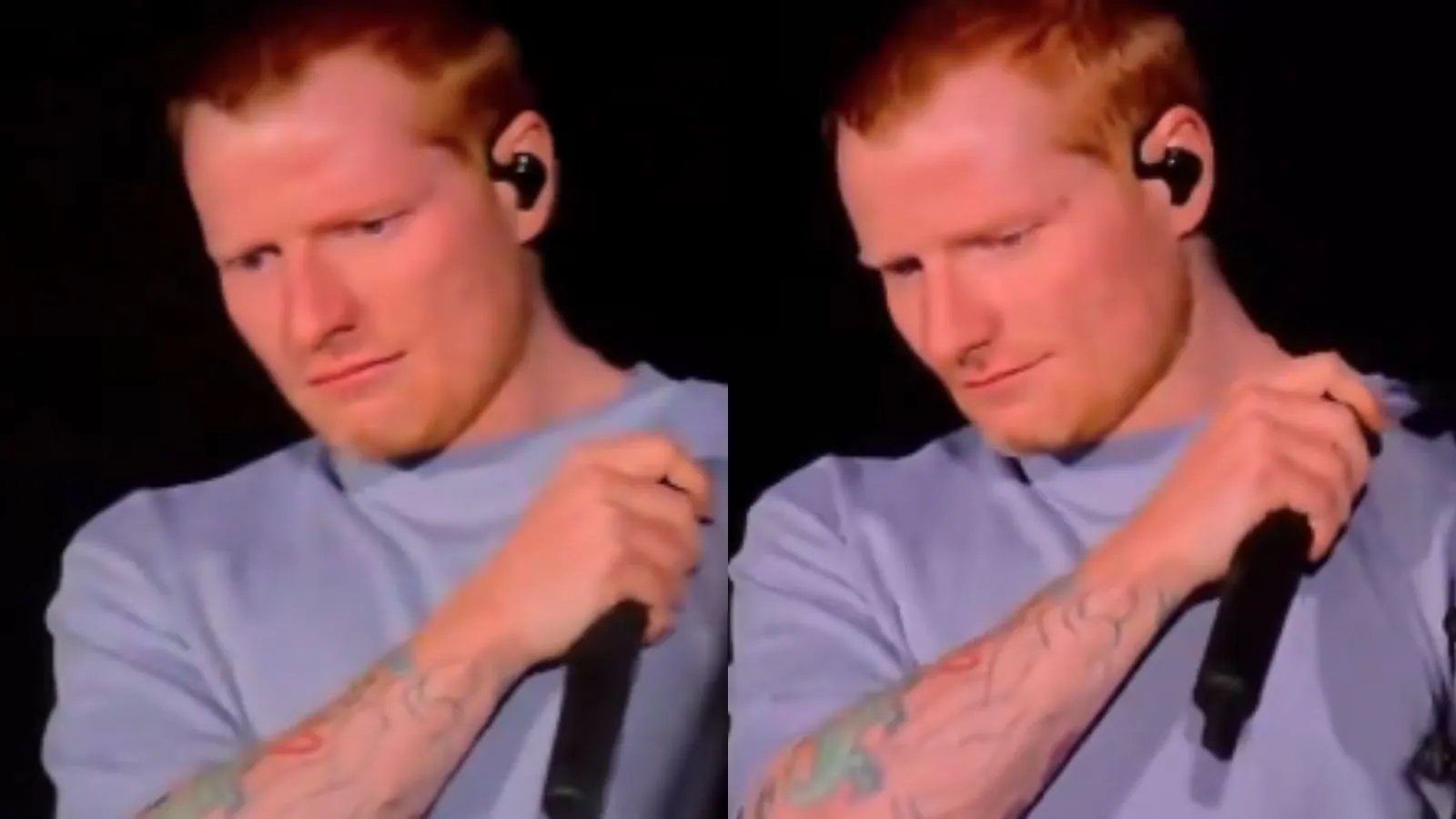
But the stadium lights flickered like a black‑and‑white film reel, and Sheeran’s voice cracked as he read from a teleprompter—each syllable a cue to a raw, unedited performance.
The moment the crowd leaned in, the teleprompter’s glow was the only witness to his confession: Gaza’s plight is catastrophic, unjustifiable, and disproportionate. Fans could feel the shift from a pop set to a stage‑directioned monologue, a dramatic pivot that left the audience in stunned silence.
Social media erupted in a flurry of hashtags—#SheeranGaza, #MacklemoreExit—while critics pointed out that the singer never named Israel or used the word "genocide." The debate felt like a courtroom scene, with fans and pundits watching the prepared speech unfold like a scripted drama.
The tour, once a glittering showcase, turned into a political stage play. With Beoga, Lukas Graham, and Aaron Rowe all walking away after Macklemore’s removal, Sheeran performed with only five musicians who had learned his set in three days—an improvisational act that seemed ripped from a backstage rehearsal.
By the end, the tear that ran down his cheek was a closing scene of an emotional thriller. He thanked the crowd, promised the next show would be the "best night of my life" again, and left the stage with a sob that felt like the finale of a heartfelt drama.